Arcade Elements Blend with Chance in Licensed Slot Platforms
Lars Bauer · Jul 10, 2026
Arcade Elements Blend with Chance in Licensed Slot Platforms
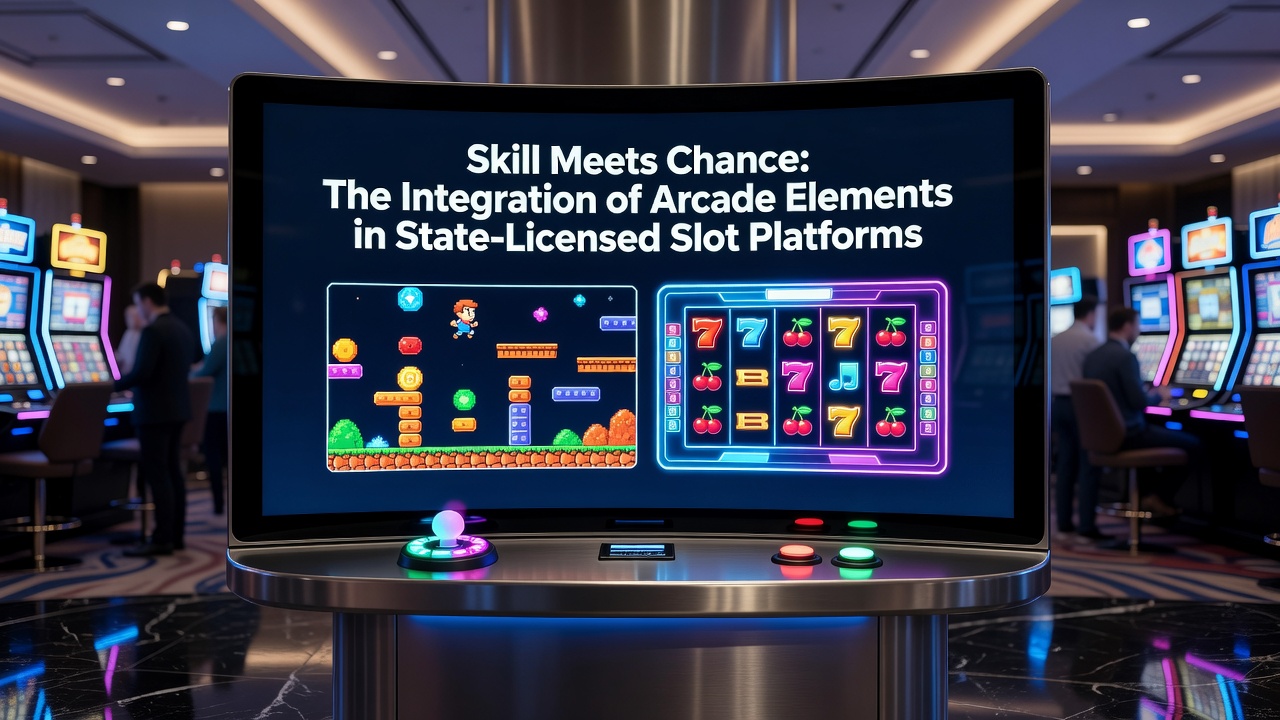
State-licensed slot platforms have incorporated arcade-style mechanics into their game libraries for several years now, yet the pace of integration accelerated noticeably by July 2026 as operators responded to updated technical standards across multiple jurisdictions. These features typically appear as optional bonus rounds where players navigate simple timing challenges or target-based sequences, yet the underlying random number generator continues to determine overall outcomes in accordance with regulatory requirements.
Developers design these hybrid experiences so that the arcade component influences only a small portion of the return-to-player percentage while the core reel mechanics remain governed by chance. Data from the Nevada Gaming Control Board shows that approved titles with interactive elements underwent the same probability testing as traditional slots, ensuring compliance before deployment on licensed sites.
How Arcade Mechanics Function Within Regulated Environments
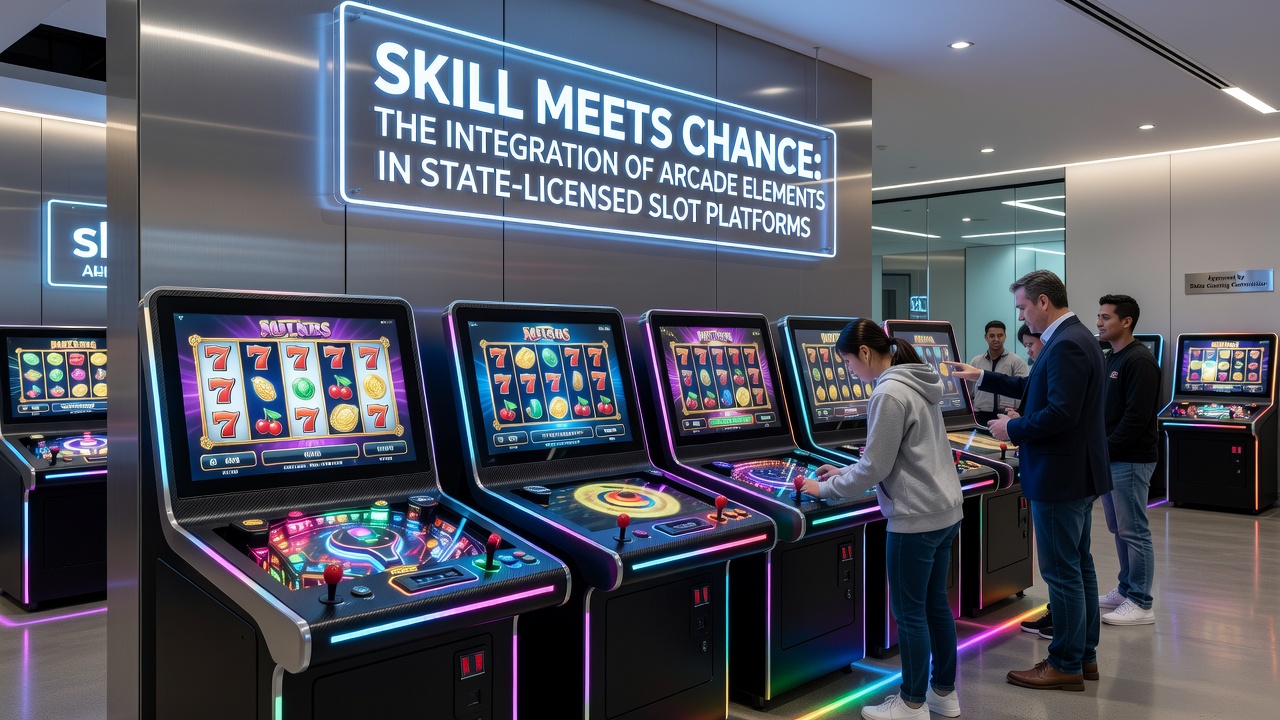
Operators integrate light-gun style targeting, rhythm-based sequences, or obstacle navigation into bonus phases that trigger randomly during base gameplay. The skill element usually affects multiplier values or the number of free spins awarded, but the trigger frequency and base payout structure stay fixed by certified algorithms. Industry reports indicate that such features first gained traction in land-based machines equipped with touchscreens before migrating to mobile platforms operating under state compacts.
Platform providers must submit detailed documentation to state regulators outlining how the interactive portion interacts with the random engine. Testing laboratories verify that player decisions cannot override the predetermined odds, maintaining the legal classification of these games as slots rather than contests of skill.
Regulatory Developments Through Mid-2026
By July 2026 several states had finalized amendments to their gaming device standards that explicitly addressed hybrid arcade elements. These updates required clearer disclosure to players about the role of skill versus chance and mandated separate RTP disclosures for the interactive segment. Regulators in New Jersey and Pennsylvania coordinated with the American Gaming Association to publish guidance documents that helped developers streamline approval processes for new titles.
One notable change involved mandatory simulation testing of at least 10 million spins for any game containing player-controlled sequences, ensuring that advertised payout percentages remained accurate regardless of individual performance during the arcade phase. Compliance teams at licensed operators reported that these requirements extended review timelines by roughly three weeks on average.
Player Engagement Patterns and Platform Data
Analytics shared by multi-state operators reveal that sessions featuring arcade bonuses tend to last 15 to 20 percent longer than standard play, although average bet sizes remain consistent with overall portfolio trends. Retention metrics indicate modest improvements in daily active users when new hybrid titles launch, particularly among demographics aged 25 to 34 who already engage with casual mobile games outside the gambling environment.
These patterns align with findings from a University of Nevada, Las Vegas study on interactive gambling products released in early 2026, which examined anonymized transaction logs across three regulated markets. Researchers noted that players frequently revisited titles containing recognizable arcade references from classic entertainment machines, yet spending behavior did not deviate significantly from established slot patterns.
Technical Implementation Across Devices
Game studios employ HTML5 frameworks that scale the interactive sequences to different screen sizes while preserving identical probability outcomes. Touch controls on smartphones replicate the precision once limited to physical joysticks, allowing operators to deliver comparable experiences whether users access games through desktop clients or mobile apps. Backend systems log every player input during the arcade segment for audit purposes, creating an immutable record that state inspectors can review upon request.
Integration with existing player account management tools remains straightforward because the arcade layer operates as an overlay rather than a separate game type. Progressive jackpot pools continue to accumulate from base bets alone, ensuring that contributions from players who skip the interactive portion still support the shared prize structure.
Future Outlook for Hybrid Slot Design
Developers continue to explore additional arcade genres such as side-scrolling navigation and puzzle matching that could fit within the same regulatory framework. Early prototypes shown at industry conferences in spring 2026 demonstrated potential for cooperative modes where multiple players influence a shared bonus round, although such features would require further clarification from regulators regarding joint wagering rules. The emphasis remains on preserving the chance foundation while layering familiar entertainment mechanics that appeal to broader audiences already comfortable with digital arcades.
Conclusion
State-licensed platforms have established clear pathways for incorporating arcade elements without altering the fundamental classification of slot products. Ongoing technical standards, testing protocols, and disclosure requirements ensure these features operate within existing legal boundaries as of July 2026. Continued collaboration between regulators, operators, and developers will determine how extensively these hybrid designs expand in subsequent platform updates.