Biometric Authentication Systems and Their Role in Accessing Reward Tiers Within US Mobile Gaming Platforms
Lars Bauer · Aug 24, 2026
Biometric Authentication Systems and Their Role in Accessing Reward Tiers Within US Mobile Gaming Platforms
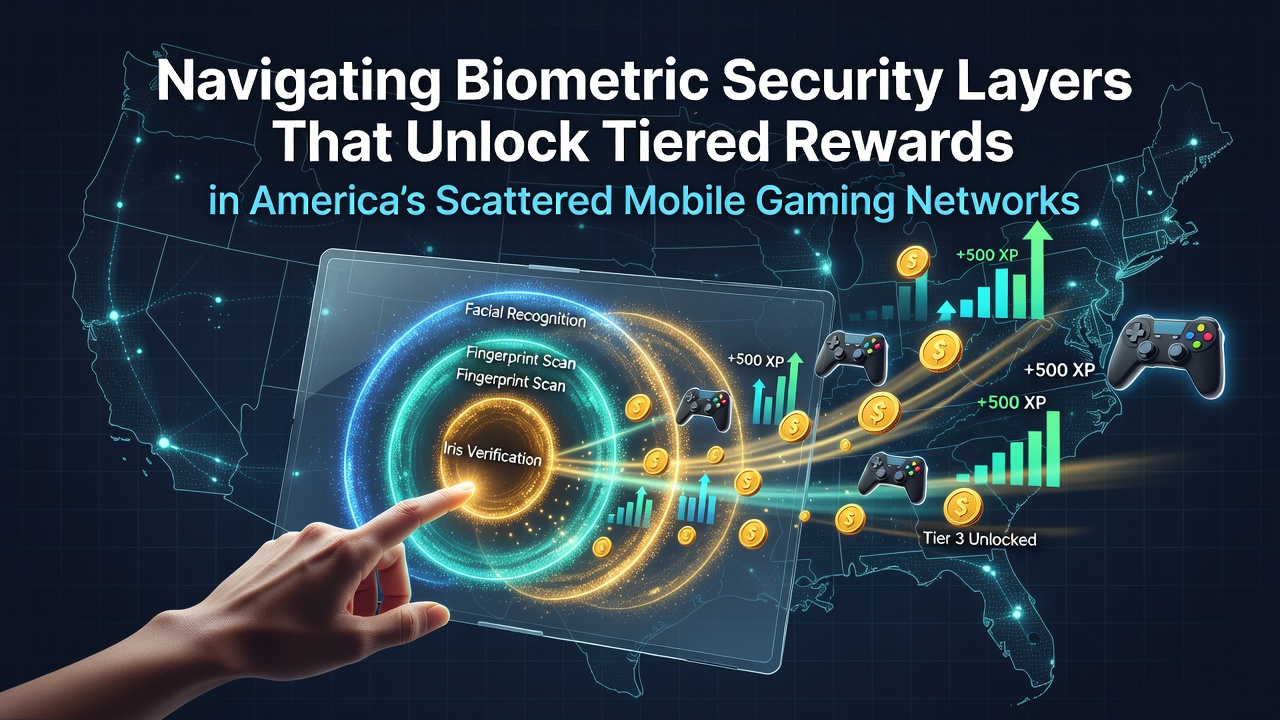
Biometric authentication has become a standard component in America's state-regulated mobile gaming networks, where players encounter layered security protocols that grant access to progressive reward structures. These systems integrate fingerprint scanning, facial recognition, and voice verification to confirm user identity before unlocking tiered benefits such as bonus credits, cashback percentages, and exclusive tournament entries. Data from industry reports shows adoption rates exceeding 70 percent among licensed operators in states like New Jersey, Pennsylvania, and Michigan as of mid-2026.
State-by-State Regulatory Variations Shape Implementation
Regulatory frameworks differ across jurisdictions, which means operators must adapt biometric requirements to comply with local statutes while maintaining consistent player experiences. The Nevada Gaming Control Board, for instance, mandates multi-factor verification including biometrics for accounts exceeding certain deposit thresholds, whereas Michigan's Gaming Control Board emphasizes data encryption standards alongside identity checks. Observers note that this patchwork approach creates operational complexity for platforms operating across multiple states, yet it also drives innovation in secure cross-border account management. Research from the University of Nevada's gaming studies department indicates that standardized biometric protocols reduce account takeover incidents by up to 45 percent compared to password-only systems.
Core Biometric Technologies Deployed in Mobile Apps
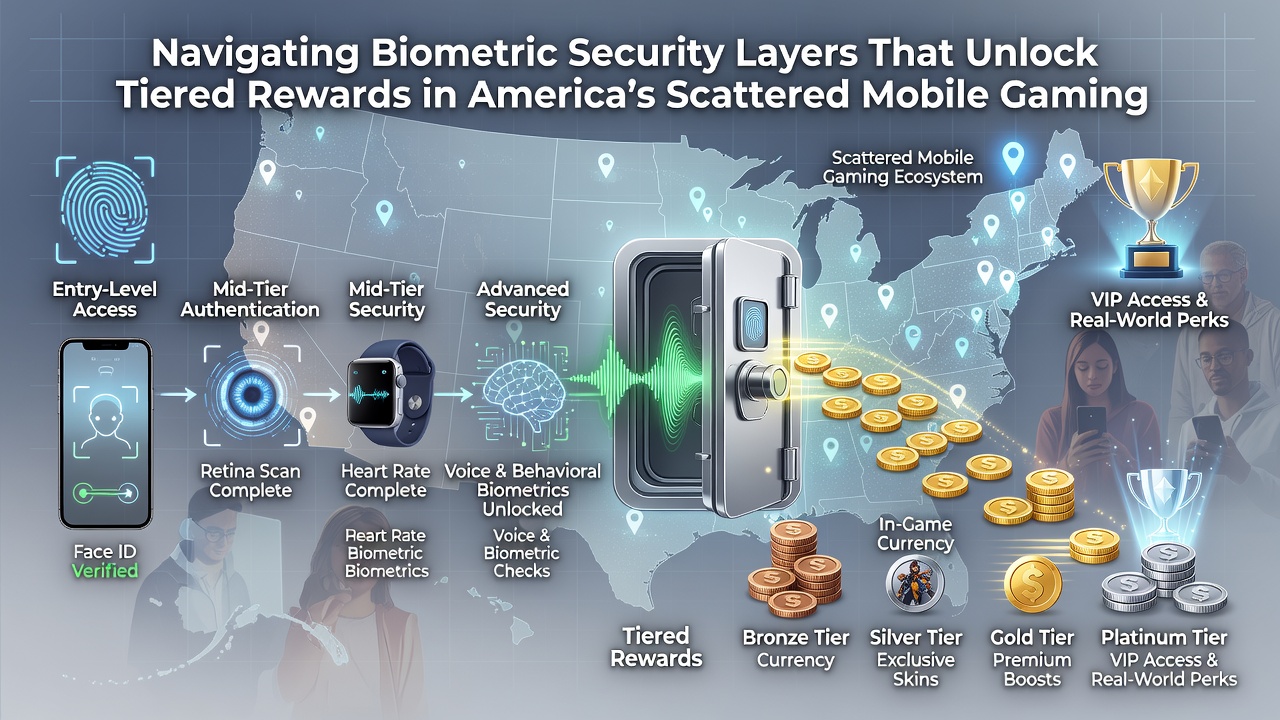
Mobile gaming applications typically combine several biometric methods to create security layers that scale with reward tiers. Basic access might require a simple fingerprint scan, while higher reward levels demand facial recognition paired with liveness detection to prevent spoofing attempts. Voice biometrics appear in customer support integrations, where players verify identity during withdrawal requests. Studies conducted by the American Gaming Association reveal that platforms using hybrid biometric models process verification requests 30 percent faster than those relying on single-method authentication. These technologies operate through device-native APIs, which ensures compatibility across iOS and Android ecosystems without requiring additional hardware.
Tiered Reward Structures Linked to Verification Levels
Reward programs in US mobile casinos often tie benefit tiers directly to the strength of biometric verification completed by the user. Entry-level players who complete basic fingerprint registration gain access to standard welcome bonuses and daily login rewards, while those who enable full facial and voice verification unlock premium features including personalized slot recommendations, higher cashback rates, and invitations to invite-only events. Figures released by the National Council on Problem Gambling in August 2026 highlight that verified accounts show 25 percent higher retention rates over six-month periods. Operators report that this linkage encourages users to strengthen their security profiles in exchange for tangible benefits, creating a self-reinforcing cycle of engagement and protection.
Platforms frequently update their security algorithms to address emerging threats such as deepfake technology and synthetic identity fraud. Integration with state databases allows real-time cross-referencing of player information, which adds another dimension to the verification process. Those who've examined interstate compacts note that shared player pools require particularly robust biometric safeguards to maintain integrity across participating states.
Challenges in Cross-State Player Verification
Fragmented networks present ongoing difficulties when players move between states with different regulatory standards. A user verified under New Jersey rules may encounter additional steps when accessing a platform licensed in West Virginia, even if the same operator manages both accounts. Industry data indicates that such friction points lead some players to maintain separate profiles, which fragments their reward accumulation. Solutions under discussion include federated identity systems that allow verified biometric data to transfer securely between compliant jurisdictions while respecting each state's privacy laws.
Future Developments Expected by Late 2026
Analysts anticipate further refinement of biometric systems as operators prepare for potential expansion into additional states. Emerging techniques such as behavioral biometrics, which analyze typing patterns and swipe gestures, may supplement traditional methods to create continuous authentication throughout gaming sessions. Reports from the Canadian Gaming Association suggest similar approaches have improved security outcomes in regulated markets north of the border, offering models that US operators could adapt. Implementation timelines vary, but several major platforms have signaled pilot programs beginning in the final quarter of 2026.
Conclusion
Biometric security layers continue to evolve alongside America's decentralized mobile gaming environment, providing structured pathways to tiered rewards while addressing identity verification demands. The interplay between state regulations, technological capabilities, and player incentives shapes how these systems develop and integrate into daily operations. As networks expand and new states consider legalization, the balance between security rigor and user convenience remains central to platform design decisions.