Blending Bets and Reels: US Online Casinos Fuse Sportsbooks with Slot Machines
Willa Roth · Apr 17, 2026

Blending Bets and Reels: US Online Casinos Fuse Sportsbooks with Slot Machines
The Mechanics of Unified Platforms
Operators like DraftKings and FanDuel pioneered the integration of sports betting adn casino games in the US after the 2018 Supreme Court decision that struck down PASPA, allowing states to legalize sports wagering; now, these platforms offer seamless shared wallets where players deposit once and toggle effortlessly between NFL moneylines and progressive jackpot slots, all within the same app or site.
What's interesting is how this fusion works under the hood: a single account holds funds accessible across verticals, so a bettor wins $200 on an NBA spread and instantly spins it on Starburst or Divine Fortune without cashouts or transfers; data from the American Gaming Association shows combined sports and iGaming revenue hit $18.6 billion in 2023, up 28% year-over-year, largely because unified platforms boost retention by 25-30%, according to industry trackers.
And here's where it gets practical; players log in, see live odds for the Super Bowl next to featured slots like Gonzo's Quest, adn promotions often bundle them, such as "Bet $50 on sports, get 50 free slot spins," which keeps engagement high since switching costs nothing but a tap.
Shared Wallets and Frictionless Play
- Deposits via PayPal or bank transfer fund both sports and slots instantly in states like New Jersey and Pennsylvania.
- Wins from one vertical credit the shared balance, enabling cross-product play without delays.
- Bonus structures layer rewards across categories, like earning points toward VIP tiers from parlays and high-volatility reels alike.
Observers note that this setup mirrors retail casino floors where sportsbooks sit adjacent to slots, but online it scales nationally across 38 states with sports betting and seven with iGaming as of early 2024.
State-by-State Rollouts and Regulatory Nuances
Michigan led the charge in 2021 by allowing operators to link verticals under the Michigan Gaming Control Board, resulting in platforms like BetMGM offering live dealer blackjack alongside MLB futures; Pennsylvania followed suit, where shared platforms drove iGaming revenue to $1.8 billion in 2023, per state reports.
But here's the thing: regulations vary sharply; New Jersey's Division of Gaming Enforcement mandates separate licensing for each vertical yet permits unified apps, while West Virginia requires geo-fencing to ensure players stay within borders when blending bets; figures from the New Jersey Division of Gaming Enforcement reveal integrated operators captured 65% of the state's $7 billion total gaming handle last year.
Turns out, this patchwork fosters innovation; in Colorado, where only sports betting thrives sans iGaming, operators tease future expansions, and experts predict more states like Indiana will greenlight full integration by April 2026 amid budget pressures from sports revenue shortfalls.
Tech Stack Powering the Link
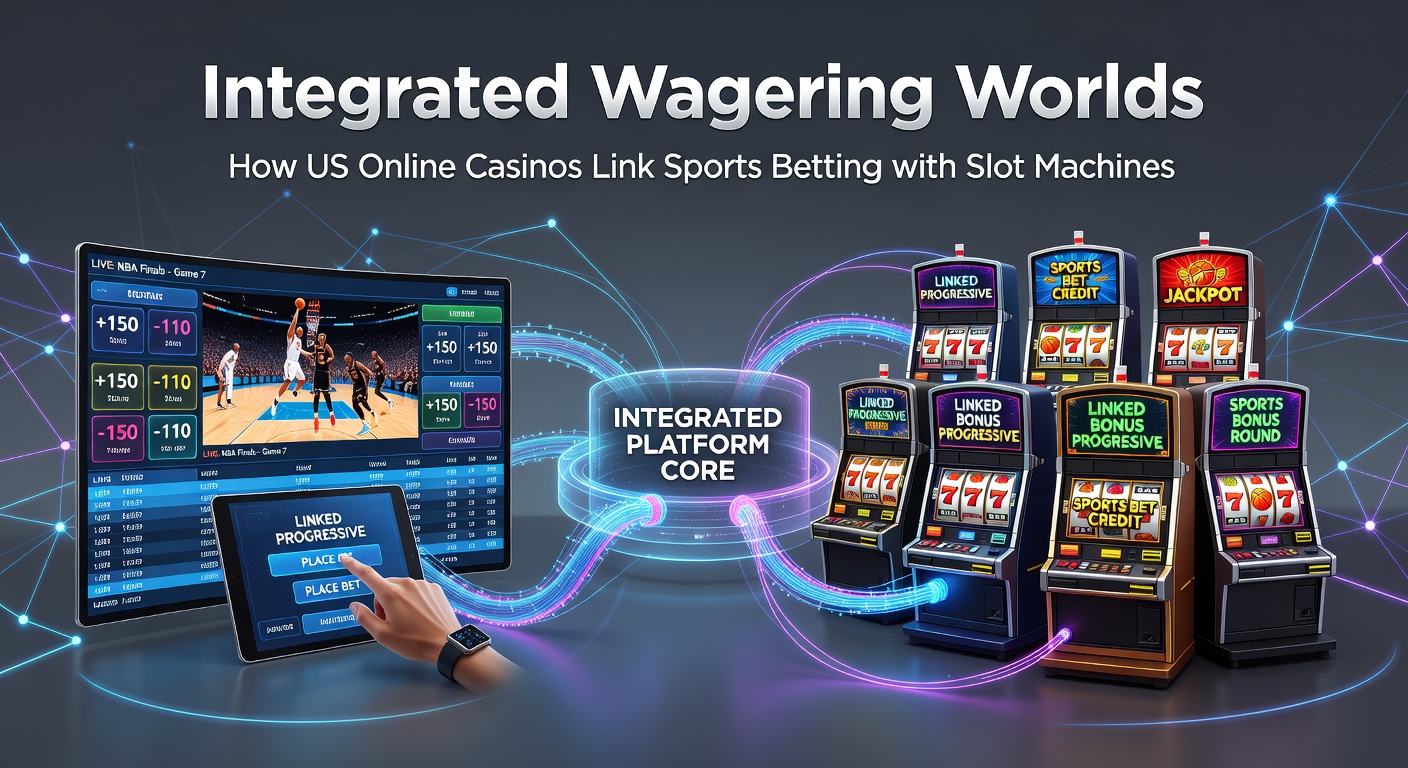
Backend providers like SBTech (now DraftKings Tech) and Evolution Gaming supply the glue: APIs connect sports odds feeds from Genius Sports with slot RNGs certified by GLI labs, ensuring fair play; mobile optimization shines here, with portrait-mode slots loading beside landscape sportsbook grids, and push notifications alert users to parlay boosts or slot tournaments simultaneously.
Player Behaviors and Revenue Impacts
Studies from the University of Nevada, Las Vegas Center for Gaming Research indicate that 42% of sports bettors in integrated states also play slots weekly, compared to 18% in siloed markets; this cross-pollination spikes lifetime value, as one parlay winner chases slots during downtime, turning a $100 sports deposit into $500 in total play.
Take BetRivers in Pennsylvania: their "Rush Rewards" program tallies points from both, unlocking faster withdrawals and personalized offers; data shows such loyalty schemes lift retention by 35%, while operators report 20% higher average daily revenue per user on unified apps.
Yet challenges persist; high rollers sometimes max out sports limits before hitting slot volatility walls, but tools like session timers and deposit caps, mandated by bodies like the Pennsylvania Gaming Control Board, help manage that, fostering responsible integration.
Promotions That Bridge the Gap
Operators get creative: FanDuel's "Pick & Spin" lets users select game props to unlock themed slots, while Caesars Rewards syncs land-based credits with online blends; these tie-ins, live during March Madness or playoffs, drive 50% traffic surges, per Eilers & Krejcik Gaming analytics.
It's noteworthy that seasonal events amplify this; NFL season sees sports bets fueling slot marathons, and vice versa during slow sports weeks when slots pull in bettors chasing jackpots like Divine Fortune's $100K+ pots.
Future Horizons and Market Projections
By April 2026, projections from Eilers & Krejcik Gaming forecast integrated platforms dominating 80% of US iGaming, as states like Ohio and Massachusetts expand licenses; blockchain wallets and VR hybrids loom, promising even tighter fusions where AR overlays slot reels on live games.
People who've tracked this space know the rubber meets the road in player data: analytics reveal blended users wager 2.5x more monthly, blending skill-based sports with luck-driven slots for diversified action.
One case stands out; in New Jersey, Golden Nugget's integration post-2020 merger with sportsbooks doubled their market share, hitting $400 million in annual revenue from cross-vertical play alone.
Innovation on the Horizon
- AI-driven personalization suggests slots based on betting history.
- Live betting slots that spin outcomes tied to game events.
- Interstate compacts, echoing poker pools, for broader shared liquidity.
Conclusion
Integrated wagering worlds reshape US online gaming by linking sportsbooks and slots through shared tech, wallets, and rewards, driving billions in revenue while adapting to state regs; as more markets open by 2026, operators refine these bridges, offering players fluid experiences that keep the action rolling across bets and reels alike.
Figures confirm the trend: combined verticals now account for 40% of total US sports handle, per AGA data, signaling a unified future where the lines between sports and casino blur seamlessly.