Cash Flow Pathways: Tracing Secure Transaction Routes Through America's Fragmented Casino Payment Landscape
Willa Roth · Jun 12, 2026
Cash Flow Pathways: Tracing Secure Transaction Routes Through America's Fragmented Casino Payment Landscape
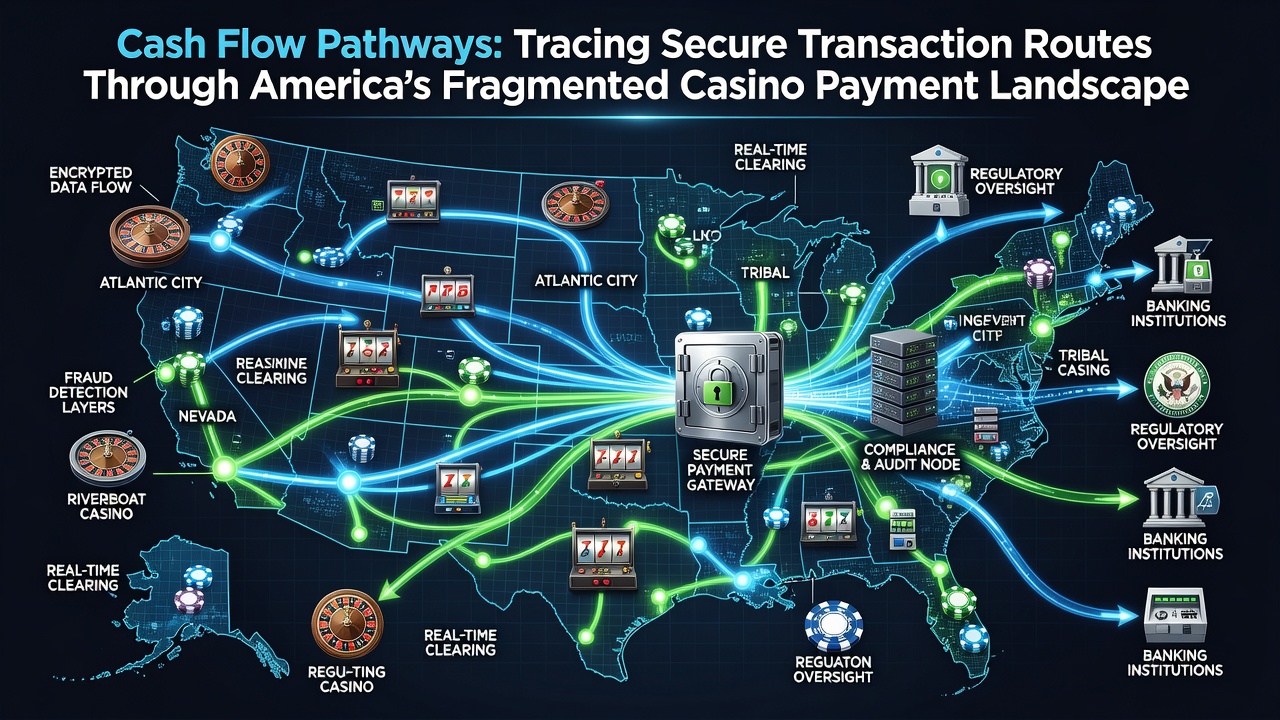
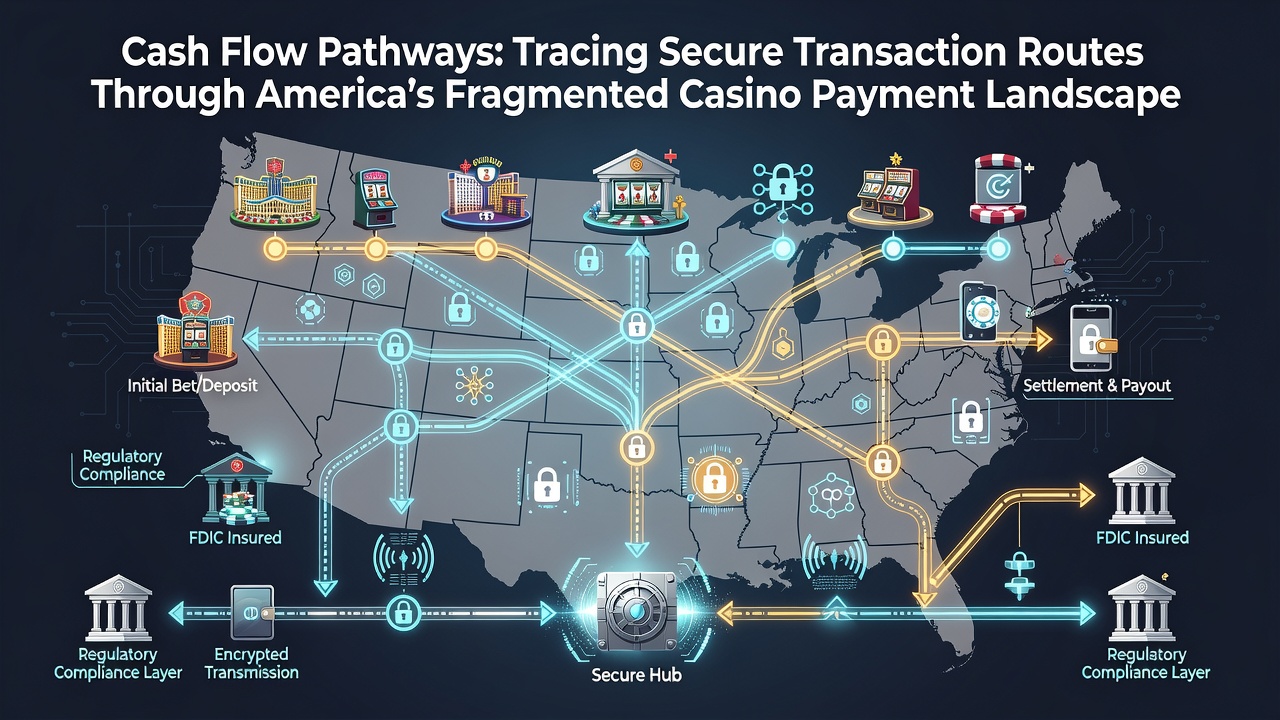
Payment systems supporting casino operations across the United States operate within a patchwork of state-specific rules that shape how funds move from players to operators and back again. Each jurisdiction sets its own standards for approved methods, verification steps, and reporting requirements, which creates distinct routes rather than a single national channel. Observers note that this structure forces payment processors and casinos to maintain separate compliance frameworks depending on where the transaction originates.
Regulatory Divisions Shape Every Route
States with active online casino markets such as New Jersey, Pennsylvania, and Michigan maintain dedicated divisions that oversee transaction monitoring, while others permit only retail casino play and impose different banking restrictions. Data from the American Gaming Association shows that licensed operators processed over $7 billion in online wagers during the first quarter of 2026, with payment rails adapting to each state's licensing conditions. Those who track these flows point out that a single processor may route ACH transfers through one bank partner in New Jersey yet switch to a different clearing house when handling Michigan accounts to satisfy local rules.
June 2026 brought updated guidance from several state regulators on enhanced encryption standards for all digital transfers, prompting many platforms to upgrade their security layers before the summer peak season. This timing aligned with renewed focus on anti-money laundering checks that require real-time identity verification at deposit and withdrawal stages. Researchers at institutions studying gambling finance have documented how these staggered implementation dates across states add layers of complexity to multi-state operator networks.
Core Methods and Their Pathways
Traditional credit and debit card transactions still form a major artery in many states, yet they travel through card networks that apply additional merchant category code restrictions in jurisdictions wary of gambling exposure. E-wallet services provide an alternative route that often bypasses direct bank involvement, routing funds via centralized accounts that handle conversion and settlement before the money reaches the casino ledger. ACH bank transfers follow yet another channel, moving through automated clearing houses that enforce batch processing windows and verification holds lasting one to three business days.
Cryptocurrency options appear in a smaller subset of markets where regulators have issued specific approvals, and those transfers rely on blockchain ledgers that create publicly auditable trails while still requiring operators to layer on wallet screening tools. Studies from university finance departments indicate that hybrid systems combining e-wallets with instant bank verification have reduced average deposit failure rates by roughly 18 percent in states that adopted them early. One operator in Pennsylvania documented how integrating multiple rails allowed players to choose pathways based on speed versus fee preferences without disrupting overall compliance reporting.
Security Layers and Monitoring Practices
Every approved pathway incorporates encryption protocols, tokenization of card data, and continuous fraud detection algorithms that flag unusual patterns before settlement completes. Processors must also maintain records that satisfy both state gaming boards and federal Bank Secrecy Act requirements, which means transaction logs often pass through multiple audit points. Those who design these systems emphasize that fragmentation actually encourages redundancy, because a breach in one state's channel does not automatically expose routes used elsewhere.
Third-party auditors conduct regular penetration tests and review access logs, while operators deploy machine-learning models that adapt to emerging threat signatures across all connected states. Figures released by industry research groups reveal that fraud-related chargebacks declined in 2025 after several platforms strengthened device fingerprinting and behavioral analytics. Yet the same reports note that maintaining these protections across varying regulatory calendars requires ongoing investment in staff training and software updates.
Interstate Expansion and Route Adjustments
As more states consider legalization, existing operators prepare to extend their payment infrastructure rather than build entirely new systems. Shared player pools across state lines, already active in poker and some slot markets, demand synchronized settlement engines that reconcile balances according to each participating jurisdiction's tax and reporting rules. Payment partners have responded by offering modular platforms that let casinos toggle individual rails on or off as new licenses activate.
One documented case involved a multi-state operator that migrated a portion of its ACH volume to a new processor in early 2026 after Michigan updated its vendor certification criteria. The switch occurred without interrupting service for players in neighboring states because the underlying architecture already supported segmented routing. Observers tracking these developments expect similar adjustments to continue as additional markets open through the remainder of the year.
Conclusion
The payment landscape supporting US casino activity remains defined by state-level decisions that dictate which methods move funds, how quickly, and under what security standards. Operators and processors navigate this environment by maintaining parallel systems that adapt to local requirements while preserving audit trails and fraud controls. As regulatory frameworks evolve, the pathways will continue to shift, yet the underlying need for secure, traceable transaction routes stays constant across every jurisdiction.