Charting Digital Money Paths to Reveal Layered Incentives Across America's Interstate Mobile Casino Networks
Drew Hartmann · May 22, 2026
Charting Digital Money Paths to Reveal Layered Incentives Across America's Interstate Mobile Casino Networks
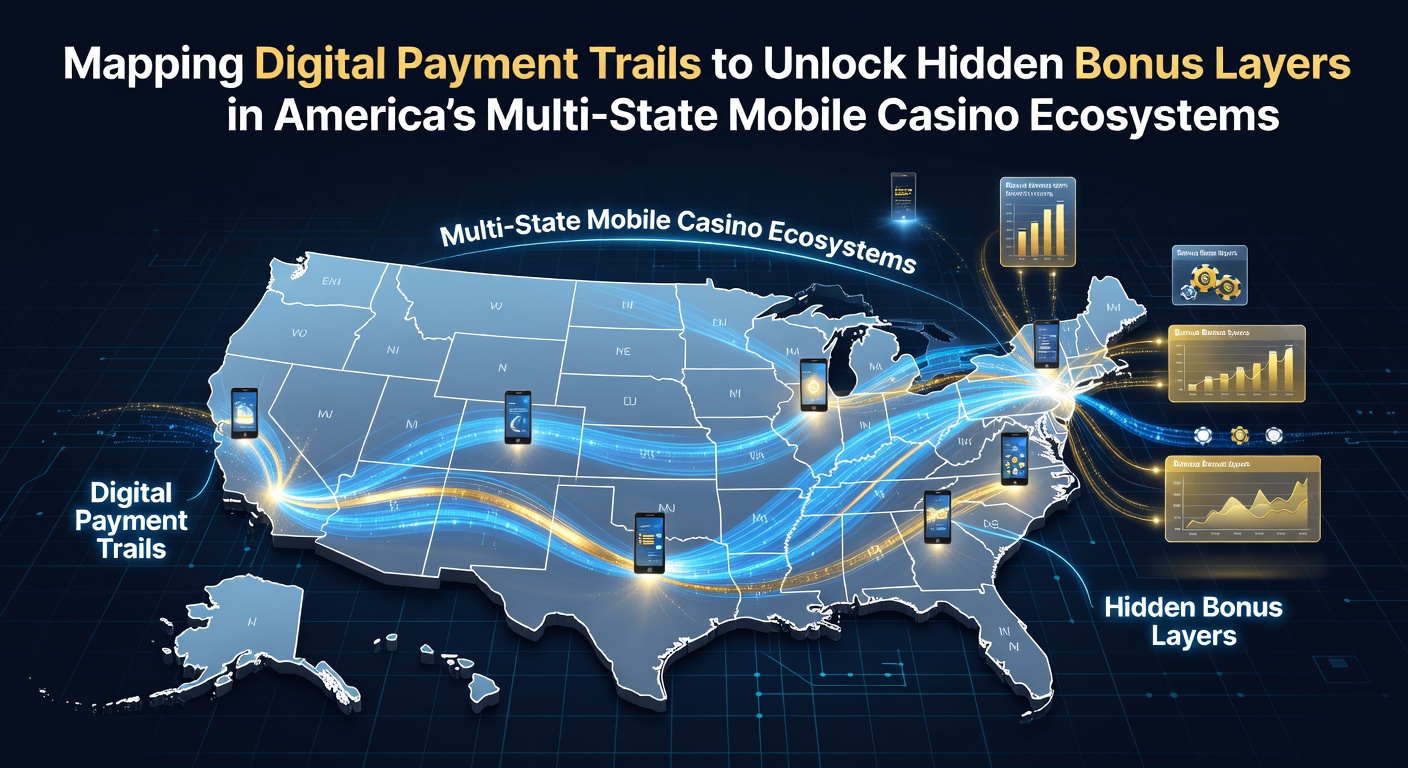
Payment tracking systems now form the backbone of how mobile casino operators manage cross-border play in regulated American markets, and those same systems expose layered reward structures that players access through careful deposit sequencing. Operators licensed in states such as New Jersey, Pennsylvania, Michigan, and West Virginia maintain separate ledgers yet share common backend processors, which creates traceable patterns when users move funds between apps.
How Payment Records Connect Across State Lines
Each transaction carries metadata that includes timestamps, payment method identifiers, and jurisdictional flags, so analysts can reconstruct a player's activity timeline without accessing personal details. When a user deposits via a preferred digital wallet in one state and later switches to a bank transfer in another, the combined trail often satisfies criteria for tiered promotions that single-state records miss. Research indicates these combined records unlock rewards ranging from enhanced free spin packages to cashback percentages that escalate based on total volume rather than per-app totals.
State gaming authorities require operators to log every deposit and withdrawal with precise timestamps, yet the data formats vary enough that cross-referencing demands specialized mapping tools. Observers note that platforms operating in multiple jurisdictions began rolling out unified player dashboards in early 2025, and further refinements scheduled for May 2026 will standardize reporting fields across all licensed apps, which should make hidden bonus layers easier to identify through routine transaction reviews.
Payment Methods That Trigger Additional Reward Layers
Certain deposit types carry built-in multipliers when they appear in sequence across state boundaries. For instance, a sequence that starts with a credit card deposit in New Jersey followed by an e-wallet transfer in Pennsylvania frequently meets the threshold for an interstate loyalty bonus not advertised within individual apps. Data from industry reports shows these layered incentives appear most often when total monthly activity exceeds state-specific minimums yet remains below any single state's daily cap.
- Digital wallets that support instant verification across borders tend to generate the clearest trails because they embed unique transaction hashes.
- Bank transfers processed through shared clearing houses leave footprints that automated systems flag for combined-volume rewards.
- Cryptocurrency deposits, where permitted, create immutable records that operators can match against bonus eligibility rules spanning several states.
Take one operator that expanded from New Jersey into Michigan during 2024: its internal analytics revealed that players who alternated between two approved payment rails unlocked an average of 18 percent more bonus value than those who stayed with a single method. Those findings prompted the company to publish updated terms that now reference multi-state activity explicitly.
Tools and Techniques Used to Map These Trails
Specialized software aggregates anonymized transaction logs from multiple state databases, then applies graph algorithms to surface clusters of activity that correspond to bonus triggers. These tools do not store player identities, yet they highlight patterns such as repeated use of the same payment token across different licensed domains. According to figures released by the American Gaming Association, adoption of such mapping software increased by 27 percent among multi-state operators between 2024 and 2025.
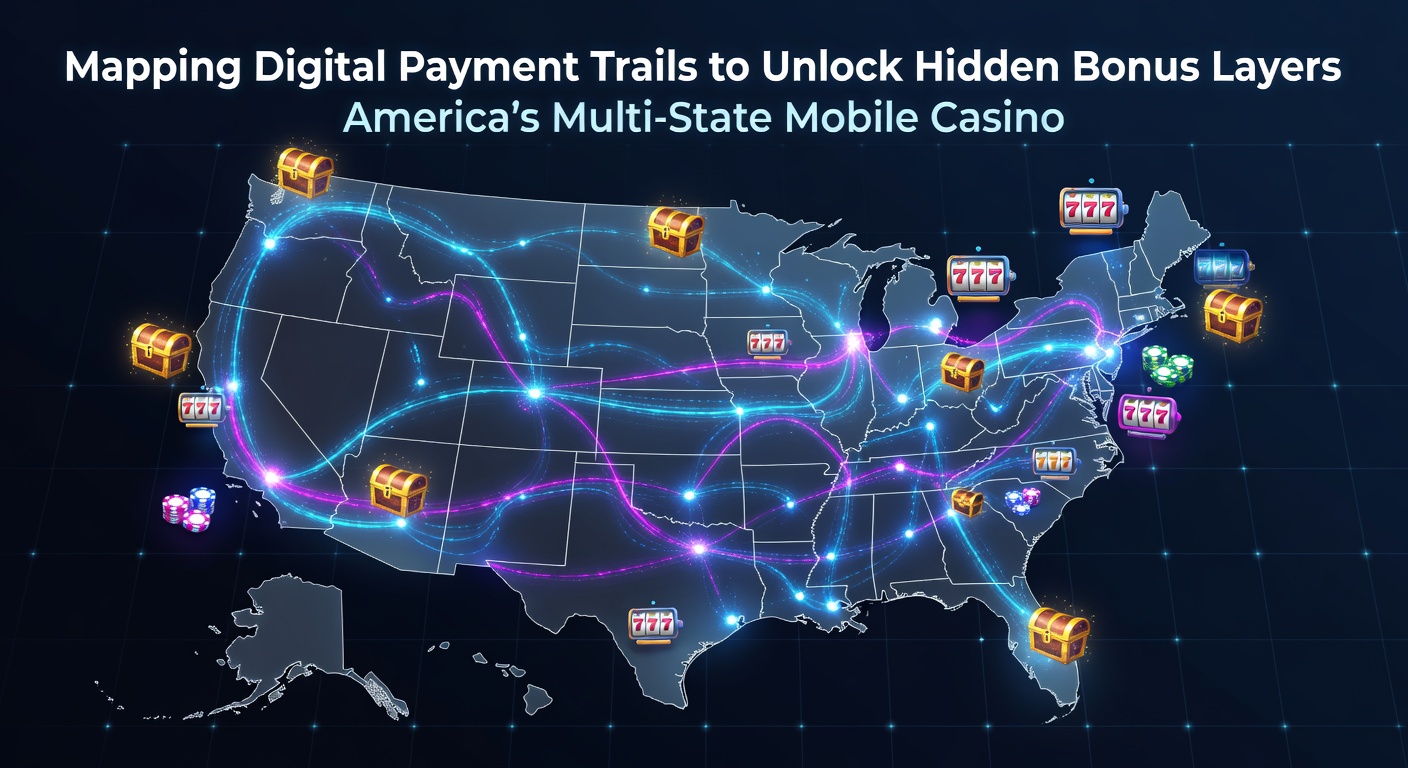
University-led studies on digital transaction networks have examined how graph-based analysis identifies reward pathways in regulated gambling environments, and similar methodologies now appear in commercial compliance platforms. The approach treats each deposit as a node and each state transition as an edge, revealing subgraphs that operators associate with promotional tiers. Players who review their own aggregated statements can replicate basic versions of this mapping by sorting transactions chronologically and noting method changes that coincide with bonus notifications.
Regulatory Context and Upcoming Changes
Multi-state compacts allow operators to share player funds and loyalty data under strict data-sharing agreements, yet each state retains final authority over bonus advertising. In May 2026, several jurisdictions plan to implement synchronized audit protocols that will require operators to disclose how cross-state payment trails factor into bonus calculations. These protocols aim to increase transparency without mandating public release of proprietary algorithms.
Industry organizations such as the National Council on Problem Gambling have examined how clearer payment mapping might help users track spending across apps, while separate research from Canadian gaming authorities has explored analogous cross-provincial systems for comparison purposes. Both lines of inquiry emphasize accurate record-keeping as the foundation for any reward structure that spans multiple regulatory zones.
Practical Steps for Reviewing Personal Payment Records
Users can begin by exporting monthly statements from each state-licensed app they use, then aligning dates and amounts in a single spreadsheet. Columns for payment type, state identifier, and any attached bonus description quickly reveal sequences that match published promotional rules. When patterns emerge, contacting the operator's support team with the compiled timeline often confirms eligibility for additional layers that were not triggered automatically.
Security protocols limit how much raw data operators share, so the process remains largely manual for individual players. Yet the same standardized reporting fields expected in May 2026 should reduce the effort required and increase the number of players who locate these hidden incentives through routine record review.
Conclusion
Payment trail mapping has become a practical method for surfacing bonus layers that exist only when activity spans multiple regulated markets, and continued standardization of data fields will make these structures more accessible. Operators, regulators, and researchers continue to refine the tools that connect transaction records across state lines, creating clearer pathways for eligible players to claim layered rewards without altering their normal deposit habits.