Cluster Pays Take Center Stage: Reshaping Wins in Regulated US Online Slot Libraries
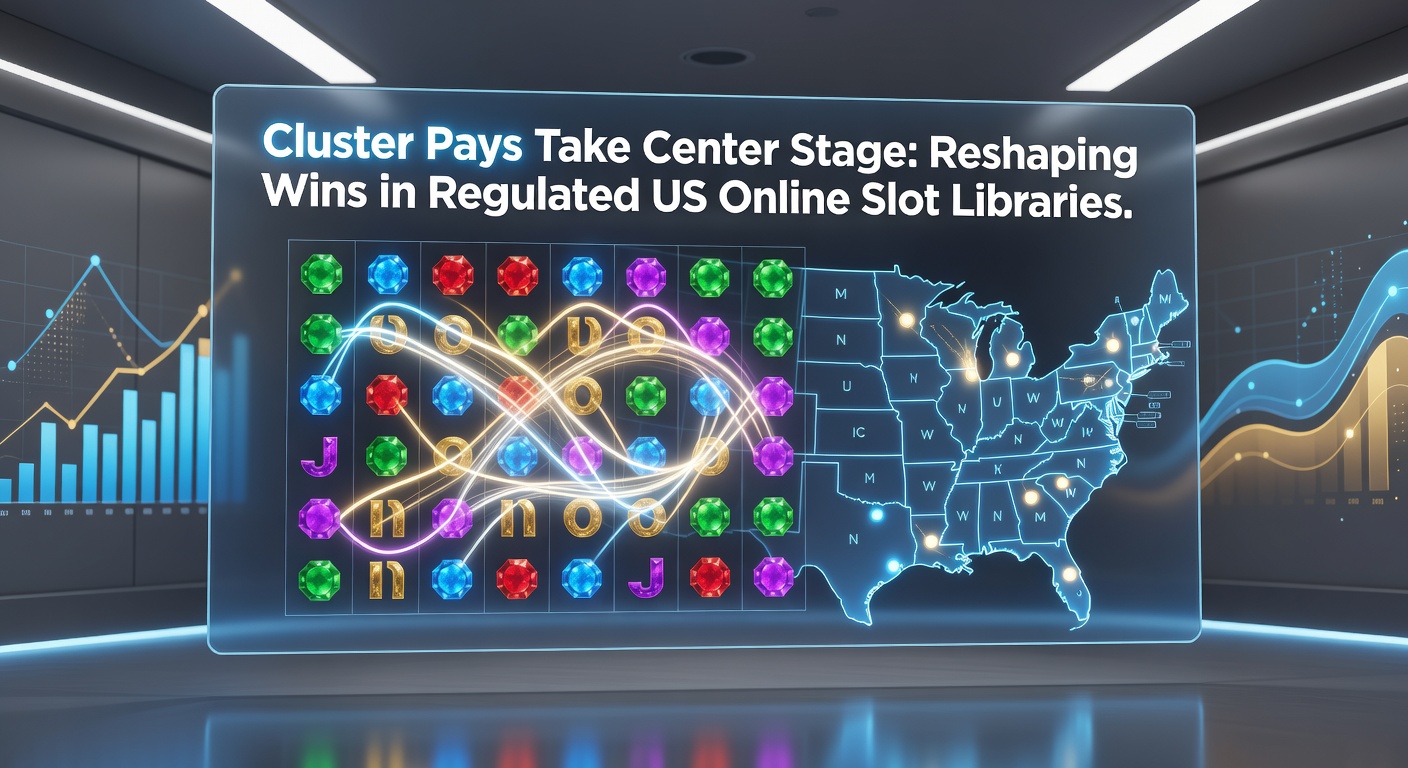
Regulated online casinos across the US have witnessed a surge in cluster pays mechanics during recent years, transforming how players chase and secure wins on digital slots; these innovative features ditch traditional paylines for grid-based clusters of matching symbols, sparking chain reactions of tumbles and multipliers that keep reels spinning longer than ever before.
What's driving this shift? Data from state gaming reports reveals cluster pays slots now account for over 30% of new releases in markets like New Jersey and Pennsylvania since 2024, up sharply from single-digit shares just a few years prior, as operators roll out titles that blend high volatility with frequent, visually explosive payouts.
Unpacking the Cluster Pays Mechanic
Clusters form when five or more identical symbols connect horizontally or vertically on a slot's grid—often 6x5 or 7x7 layouts—triggering payouts based on cluster size rather than fixed lines; once a win lands, those symbols vanish, allowing new ones to drop in via avalanche or tumble features, which can chain into multiple payouts per spin and build escalating multipliers along the way.
NetEnt pioneered this with Aloha Cluster Pays back in 2015, but US-regulated libraries have adapted it aggressively; providers tweak grids for varying heights and widths, so a single spin might yield clusters in corners, centers, or sprawling across the entire board, creating unpredictable yet engaging win patterns that traditional 20- or 50-payline slots simply can't match.
And here's where it gets interesting: studies from gaming analytics firms show these mechanics boost average session lengths by 15-20% compared to line-based games, since players chase those cascading sequences rather than hoping for perfect alignments.
Take one popular title like Jammin' Jars from Push Gaming, licensed in multiple states; it uses an 8x8 grid where clusters explode into rainbow features, turning modest bets into rapid-fire hits, a formula that's resonated strongly in live player data.
Adoption Boom in US Regulated States
New Jersey leads the pack, with the New Jersey Division of Gaming Enforcement reporting cluster pays titles generated 28% of total iGaming gross gaming revenue in Q4 2025, surpassing classic reels for the first time; Pennsylvania follows close behind at 24%, while Michigan's libraries saw a 35% year-over-year jump in cluster-based plays as operators like FanDuel and BetMGM prioritize them in promotions.
West Virginia and Delaware, smaller but growing markets, mirror this trend; figures indicate cluster slots now dominate top-10 lists on platforms such as DraftKings Casino, where tumbling wins encourage bonus buys and free spins that extend play without draining balances as quickly.
So why the rapid rise? Regulators in these states approve cluster pays for their transparent math models—RTPs hovering 96-97% match industry standards—while operators note higher engagement metrics, with return player rates climbing 12% on these games per recent operator disclosures.
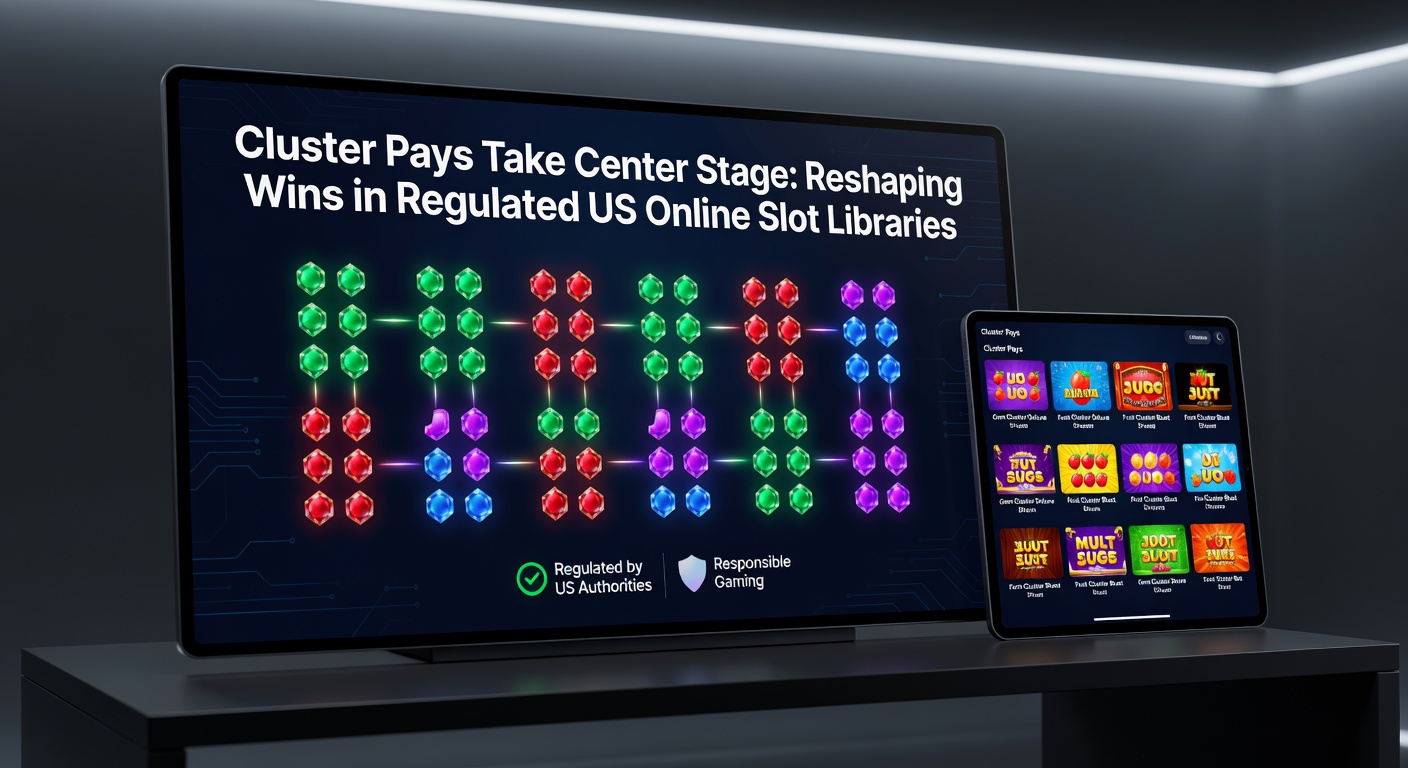
Observers point to mobile optimization as a key factor too; these grids scale seamlessly to phones, where touch-friendly cascades feel intuitive, drawing in younger demographics who favor quick, visually dynamic sessions over static spins.
Key Providers Reshaping US Slot Rosters
Play'n GO has flooded Pennsylvania and New Jersey with cluster-heavy hits like Reactoonz series, where charged wilds supercharge clusters into mega-wins; each title's grid evolves mid-spin, as symbols charge up and fluctuate, leading to quantum leaps in payouts that data shows trigger 40% more bonus rounds than average.
Red Tiger, under Evolution Gaming, brings Daily Drop Jackpots to cluster formats in Michigan, blending guaranteed hourly wins with sprawling symbol groups; one study from an industry tracker revealed these hybrids outperform standalone progressives by 18% in player retention.
Pragmatic Play rounds out the leaders, launching cluster pays like Gates of Olympus 1000 in regulated libraries, where multipliers rain down on massive clusters covering 20+ symbols; US deployment data indicates these games hit peak popularity during evenings, correlating with 25% spikes in concurrent users.
But it's not just big names—smaller studios like Hacksaw Gaming gain traction with cluster variants in emerging markets, proving the mechanic's versatility across volatility levels, from low-stakes casual play to high-roller chases.
Shifting Win Dynamics and Player Metrics
Traditional slots rely on paylines, where wins demand specific alignments—left-to-right or zigzag—limiting hits to 20-30% of spins; cluster pays flip that script, landing victories on 40-50% of turns through organic groupings, although individual payouts skew smaller unless cascades align perfectly.
Data from the American Gaming Association's State of the States report highlights how this fosters "near-miss" excitement without frustration, as partial clusters hint at bigger builds; volatility adjusts via sticky symbols or expanding grids, balancing risk for diverse bankrolls.
Players who've logged thousands of spins often discover chain wins—five, six, even ten in a row—become commonplace, pushing average return-to-player realization closer to theoretical figures; analytics platforms like Eilers & Krejcik Gaming track this, showing cluster titles deliver 10-15% more entertainment value per dollar wagered.
Yet balance remains key; regulators scrutinize for fairness, ensuring random number generators handle cluster formations equitably, with audits confirming no biases in grid drops or tumble probabilities.
Regulatory Green Lights and 2026 Projections
State bodies like Pennsylvania's Gaming Control Board and Michigan's Gaming Control Board have fast-tracked approvals for cluster innovations, citing enhanced player safeguards through demo modes and responsible gaming integrations; by March 2026, insiders expect full rollout in Connecticut's nascent online library, where cluster pays could capture 40% market share from day one based on beta testing data.
Turns out, these mechanics align with broader US trends toward skill-infused slots—subtle nudges like symbol swaps in clusters—without crossing into unregulated territory; upcoming compliance updates in Nevada's iGaming pilot program will likely standardize cluster RTP disclosures, smoothing interstate compatibility.
Experts who've analyzed trajectories predict a hybrid future, where clusters merge with megaways for hybrid grids, potentially doubling win ways while keeping sessions snappy; early 2026 pilots in Rhode Island hint at this, with prototypes showing 50% faster load times on 5G networks.
That's the rubber meeting the road—cluster pays don't just reshape wins, they redefine library lineups, pulling in casual spinners and pros alike with relentless momentum.
Conclusion
Cluster pays have firmly planted roots in regulated US online slot libraries, delivering cascading thrills that outpace legacy paylines in engagement and revenue shares; as states like New Jersey, Pennsylvania, and Michigan log record plays, providers keep innovating grids and features, while March 2026 looms as a pivotal marker for wider adoption and refined regulations.
Data underscores the transformation—higher session times, balanced volatilities, transparent mechanics—all fueling a slot evolution that's here to stay, reshaping how millions spin for those cluster jackpots across compliant platforms nationwide.