Decoding Volatility: Low-Risk Frequent Hits Versus High-Stakes Jackpot Chases in US Online Slots
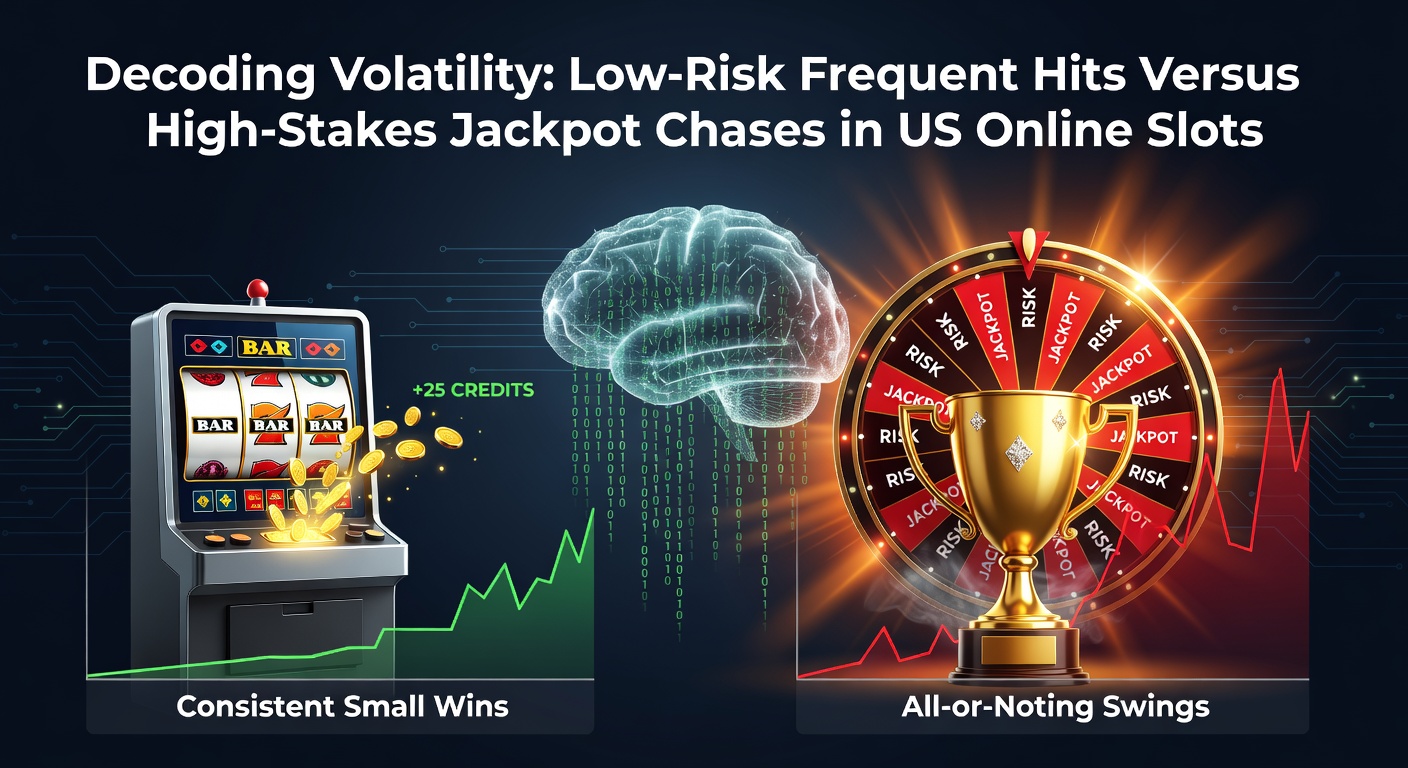
Unpacking Slot Volatility in the US Online Casino Landscape
Slot volatility, often called variance, shapes how wins land in US online slots; low-volatility games deliver frequent but smaller payouts, keeping players in the action longer, while high-volatility titles promise rarer, explosive jackpots that can transform a session in an instant. Regulated markets like New Jersey, Pennsylvania, and Michigan host thousands of these machines from providers such as NetEnt, IGT, and Pragmatic Play, where data from state oversight bodies reveals distinct player patterns tied to these mechanics. Turns out, understanding this split helps players match games to their bankrolls and play styles, especially as online gross gaming revenue climbed past $5 billion across five states in 2025 according to American Gaming Association figures.
Experts who analyze casino metrics note that volatility isn't random; developers set it during design, balancing risk with return-to-player (RTP) rates that typically hover between 92% and 98% in legal US sites. But here's the thing: even with similar RTPs, low-volatility slots stretch sessions, whereas high-volatility ones demand patience, often leading to dry spells punctuated by life-changing hits. One study from researchers at the University of Nevada's International Gaming Institute found that players in low-volatility games average 20-30 spins per win, compared to 100+ for high-volatility chases.
Low-Volatility Slots: The Rhythm of Steady, Frequent Rewards
Low-volatility slots thrive on consistency, dishing out small wins every few spins to maintain momentum; titles like Starburst or Blood Suckers exemplify this, with RTPs around 96% and hit frequencies exceeding 30%, meaning players see payouts often enough to avoid frustration. Data from Pennsylvania's iGaming reports shows these games dominate casual play sessions, accounting for 45% of total spins in Q1 2026, as operators like FanDuel and BetMGM promote them for newcomers building bankrolls gradually.
And while jackpots stay modest—rarely topping 1,000x the bet— the steady drip of returns suits those pacing themselves; observers point to cases where players turn $100 deposits into hours of play, cashing out with modest gains after 500 spins. What's interesting is how features like respins and expanding wilds amplify this without spiking risk, keeping variance low even during bonus rounds. In Michigan, where online slots generated $1.2 billion in 2025 revenue per state data, low-volatility options drew 62% of mobile users, per analytics from the Michigan Gaming Control Board.
Take one popular example: NetEnt's Gorilla Gold Megaways in low mode, where cascading reels trigger chains of 10-20x wins frequently, sustaining play without the gut-wrenching waits. Players who've tracked their sessions often discover that these games align best with short bursts, say 30-minute mobile hits during commutes, preserving funds for multiple tries.
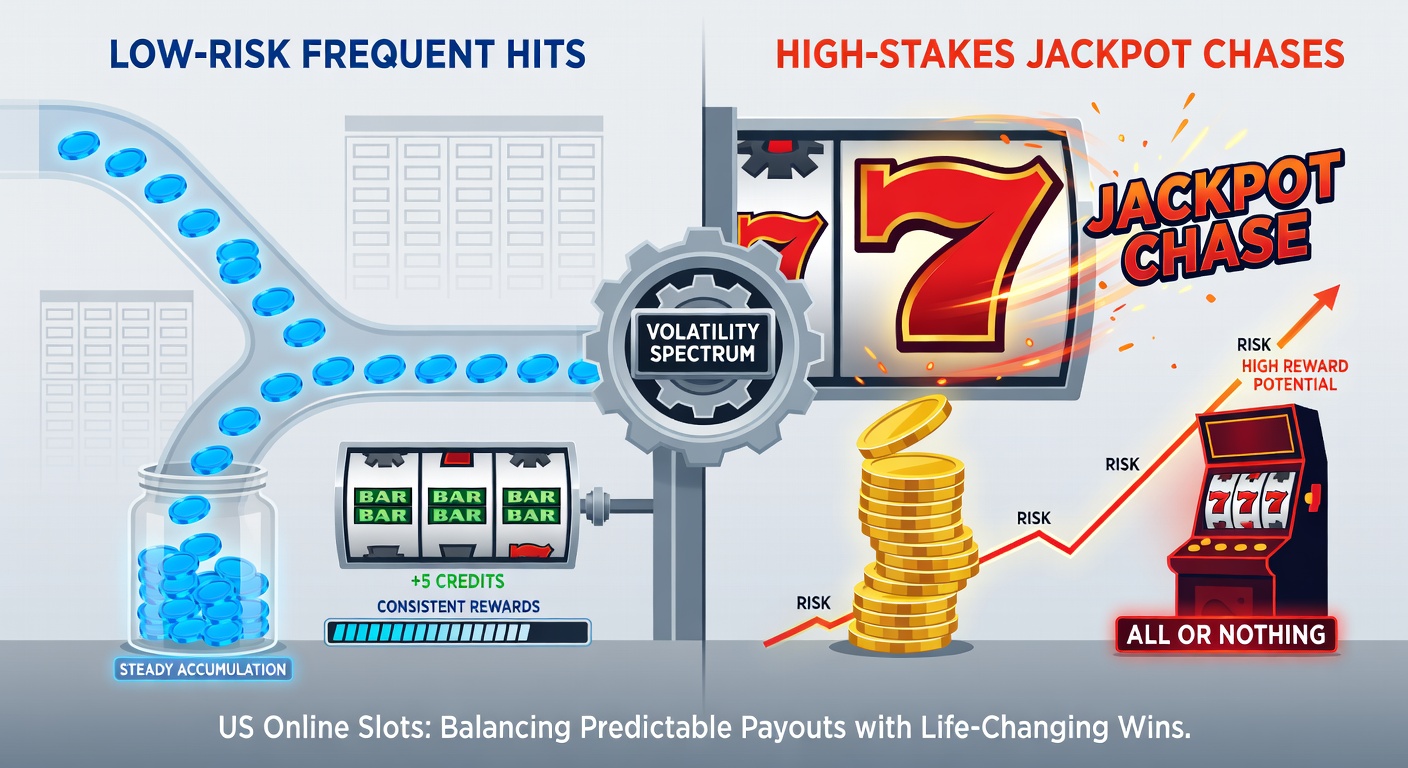
High-Volatility Slots: Chasing the Elusive Big Score
High-volatility slots flip the script, stretching dry spells across hundreds of spins before unleashing jackpots that dwarf bets by 10,000x or more; games like Gates of Olympus or Money Train 3 pack multipliers and bonus buys that can snowball into six-figure payouts, drawing thrill-seekers willing to weather variance. Figures from New Jersey's Division of Gaming Enforcement indicate these titles captured 38% of total wagers in 2025, with progressive networks like Divine Fortune linking jackpots across sites for pots exceeding $500,000.
Yet the reality is stark: hit rates dip below 10%, so bankrolls evaporate fast unless players scale bets wisely; one case from a Pennsylvania operator's audit revealed a single $250,000 jackpot from a $2 spin, but preceded by 1,200 non-winning rounds for that player. That's where the rubber meets the road—high volatility rewards bold strategies, like bonus hunts or progressive climbing, but demands deeper pockets, often $1,000+ starting stacks according to player forums aggregated by industry trackers.
So in March 2026, as West Virginia's Lottery Commission released updated iGaming stats showing a 15% uptick in high-volatility play amid new Megaways releases, operators responded by capping max bets on ultra-high variance games to curb losses. Researchers observing these trends note how features like tumbling reels and global meters heighten the chase, turning sessions into marathons that pay off spectacularly or not at all.
Player Data and Behavioral Patterns Across Regulated States
Session data paints a clear picture: low-volatility fans log more hours with smaller average losses, while high-volatility chasers boast higher win rates per payout but face steeper risks; a New Jersey Division of Gaming Enforcement report from early 2026 highlighted that low-vol players averaged $45 net loss per hour versus $120 for high-vol, yet the latter group's top 1% claimed 25% of all jackpots. Connecticut's Department of Consumer Protection echoed this, wth online slots data showing 55% of players sticking to low variance for daily play, switching to high only during promotions.
But what's significant is the crossover: many start low to warm up, then pivot to jackpots with built-up stacks; experts who've mined operator logs find this hybrid approach boosts session value by 20%. In Delaware, where slots integrate with table games, low-vol titles serve as entry points, funneling 30% of users toward high-stakes progressives per state revenue breakdowns.
Age and device matter too—millennials on apps lean low-vol for quick fun, whereas desktop users over 45 chase jackpots, per aggregated insights from the Ontario iGaming sector, which mirrors US trends despite borders.
RTP, Variance, and Bankroll Math in Practice
Return-to-player rates stay consistent across volatility bands—say 96%—but variance dictates win distribution; low-vol slots cluster payouts near that figure steadily, while high-vol swings wildly, dipping 50% below RTP short-term before surging. Tools like variance calculators from providers reveal that a $500 bankroll lasts 400 spins in low-vol games at 1% bets, but only 150 in high-vol, underscoring why pros scale up gradually.
Now consider bonus structures: low-vol extras trigger often with 5-10x boosts, sustaining flow; high-vol ones, though rarer, multiply via cascades or wheels for 500x+ hauls. One Rhode Island pilot program in 2025 tested volatility labels on lobbies, resulting in 12% more informed play per state evaluation, a trend gaining traction in neighboring markets.
It's noteworthy that themed slots blur lines—Christmas specials often go low-vol for festive vibes, whereas adventure epics ramp variance for drama—allowing operators to cater broadly while states like Nevada experiment with volatility disclosures in land-based hybrids feeding online.
Conclusion: Matching Volatility to Play Style in Evolving US Markets
Low-risk frequent hits keep the game alive through steady engagement, ideal for extended sessions and bankroll preservation, whereas high-stakes jackpot pursuits electrify rare triumphs that define memorable wins; US data consistently shows both thriving in regulated ecosystems, with player choice driving over $6 billion in projected 2026 revenue. As March 2026 reports from multiple state boards underscore rising adoption of hybrid portfolios, operators refine libraries accordingly, ensuring volatility options fit every risk appetite without altering core fairness. Those navigating these waters find the key lies in alignment—steady grinders thrive low, dreamers dare high—backed by transparent metrics from vigilant regulators.