Digital Wallet Systems Accelerating Mobile Access to Live Dealer Gaming Environments
Drew Hartmann · Jun 24, 2026
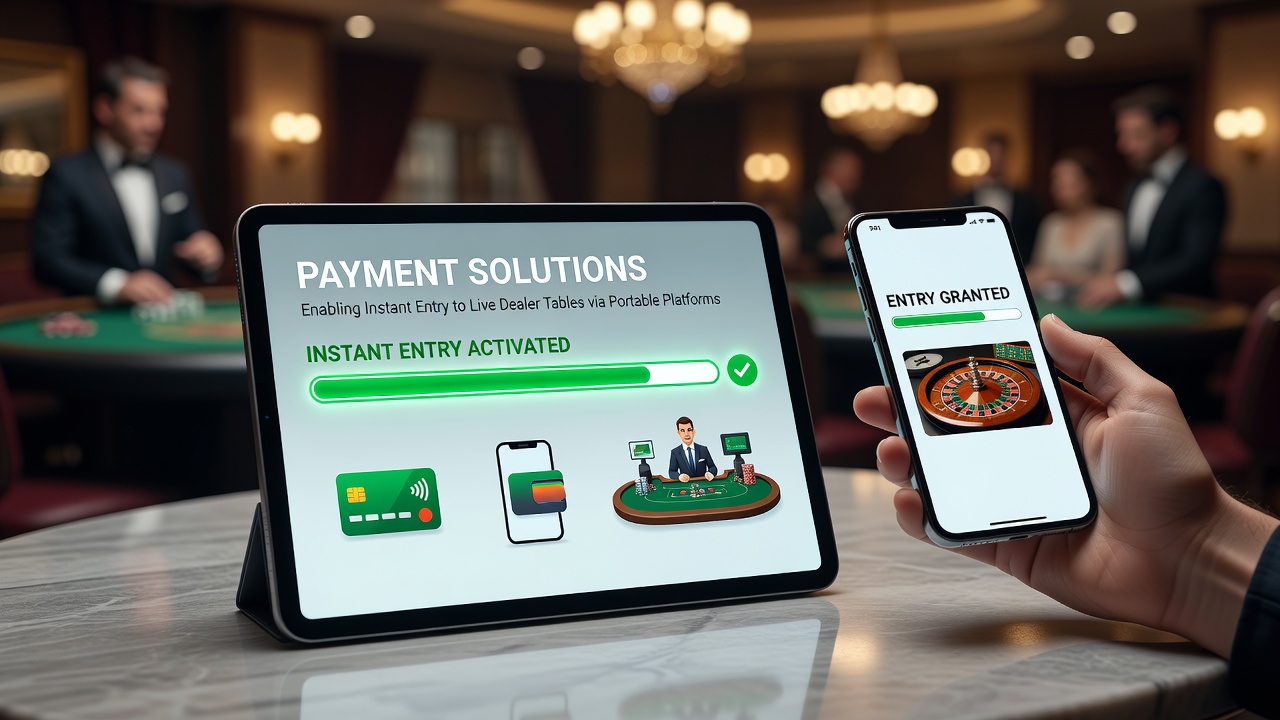
Digital Wallet Systems Accelerating Mobile Access to Live Dealer Gaming Environments
Payment solutions have evolved to support immediate deposits that connect players directly to live dealer tables through portable devices, and data from industry reports highlights how these systems reduce transaction times to seconds rather than minutes or hours. Operators integrate e-wallets, instant bank transfers, and digital currencies with mobile applications to create seamless entry points, while regulatory frameworks in multiple regions establish standards for speed and security. According to figures from the New Jersey Division of Gaming Enforcement, mobile live dealer sessions accounted for over 60 percent of total online gaming activity in recent quarters, driven partly by these payment advancements.
Core Payment Technologies Driving Instant Access
E-wallets such as PayPal and similar services allow users to fund accounts without leaving the mobile app, and the process typically completes with a single authentication step that unlocks live dealer rooms right away. Instant bank transfer methods, including those powered by real-time rails like those in the US and Europe, bypass traditional clearing delays by pulling funds directly from linked accounts. Cryptocurrency options add another layer where blockchain confirmations occur within moments, enabling players to join tables while the value remains stable against fiat conversions. Researchers at academic institutions studying fintech adoption have documented that these options cut average deposit-to-play intervals by up to 85 percent compared with older card-based systems.
Portable platforms benefit from native integrations that store payment credentials securely on devices, so returning users bypass repeated entry of details. App developers embed these gateways at the registration or deposit screen, which means a player can select a live blackjack table and complete funding in under 30 seconds once the account exists. Data indicates that platforms prioritizing these integrations report higher session starts per unique user, particularly during peak evening hours when live dealer traffic spikes.
Regional Regulatory Approaches and Implementation Patterns
US state regulators outside traditional UK oversight, including those in Pennsylvania and Michigan, require operators to demonstrate that payment processors meet specific latency thresholds before approving mobile live dealer offerings. Canadian provincial frameworks in Ontario emphasize similar speed benchmarks alongside responsible gambling tools that activate immediately upon deposit. In Australia, state-level gaming authorities monitor transaction flows to ensure portable access does not compromise player verification standards, and reports from the Australian Gambling Research Centre show rising adoption of instant methods correlating with increased live dealer participation on smartphones and tablets.
European markets beyond single-nation bodies have seen coordinated efforts through organizations like the European Gaming and Betting Association, where guidelines encourage standardized APIs for payment gateways that support cross-border mobile play. Observers note that operators complying with these regional rules often deploy the same backend solutions across jurisdictions, which streamlines updates when new instant transfer rails emerge. By June 2026, several platforms plan to incorporate additional real-time settlement features aligned with evolving central bank digital currency pilots in select markets.
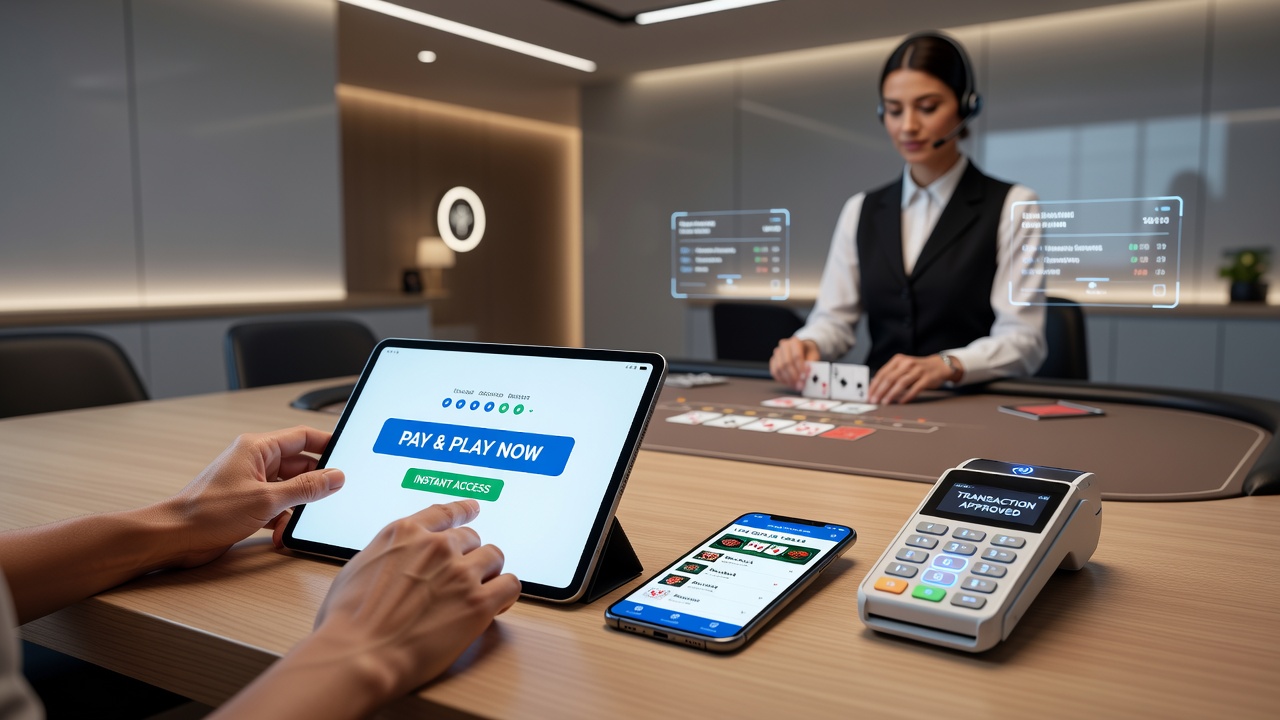
Technical Infrastructure Supporting Live Dealer Entry
Backend systems connect payment processors directly to game servers so that balance updates reflect instantly on the user interface, allowing the dealer to recognize the player without manual intervention. API calls between the wallet provider and the casino platform confirm funds within milliseconds, and this handshake prevents entry until verification succeeds. Mobile network optimizations, including 5G rollout in urban areas, further reduce any remaining latency between deposit approval and table access. Those who have studied network performance data find that 5G-enabled devices experience near-zero buffering when switching from payment screen to live video feed.
Security protocols such as tokenization and biometric authentication protect these rapid transactions without adding friction, and studies from university-led fintech research projects confirm that biometric methods maintain high completion rates while deterring fraud attempts. Fraud detection layers operate in real time, flagging anomalies before funds reach the live dealer environment, which keeps withdrawal and deposit pathways reliable across portable devices.
Adoption Trends and Platform Examples
Take one operator in New Jersey that integrated multiple instant payment rails and recorded a 40 percent rise in first-time live dealer entries via mobile within six months. Similar patterns appear in Ontario, where provincial data shows portable platforms using instant transfers capturing a growing share of total handle. Industry organizations tracking global trends report that regions permitting these solutions see faster overall market maturation compared with areas still reliant on slower methods.
What's interesting is how seasonal events influence usage, such as major sports tournaments driving spikes in mobile live dealer traffic paired with quick deposits. Platforms respond by promoting payment bonuses tied to instant funding, though the core mechanics remain consistent regardless of promotional overlays. By mid-2026, analysts project further consolidation around a handful of dominant gateway providers that already serve multiple regulated markets.
Conclusion
Payment solutions continue to shape how players reach live dealer tables on portable platforms through faster, more integrated deposit paths that align with regulatory expectations across diverse regions. Data from sources including the New Jersey Division of Gaming Enforcement and the Australian Gambling Research Centre illustrates measurable shifts in access speeds and participation volumes. As infrastructure evolves toward June 2026 and beyond, these systems are expected to maintain their role in supporting immediate entry while meeting security and compliance requirements established by multiple authorities.