Digital Wallets Cut Withdrawal Times at Regulated US Online Gaming Sites
Lars Vogel · Aug 17, 2026
Digital Wallets Cut Withdrawal Times at Regulated US Online Gaming Sites
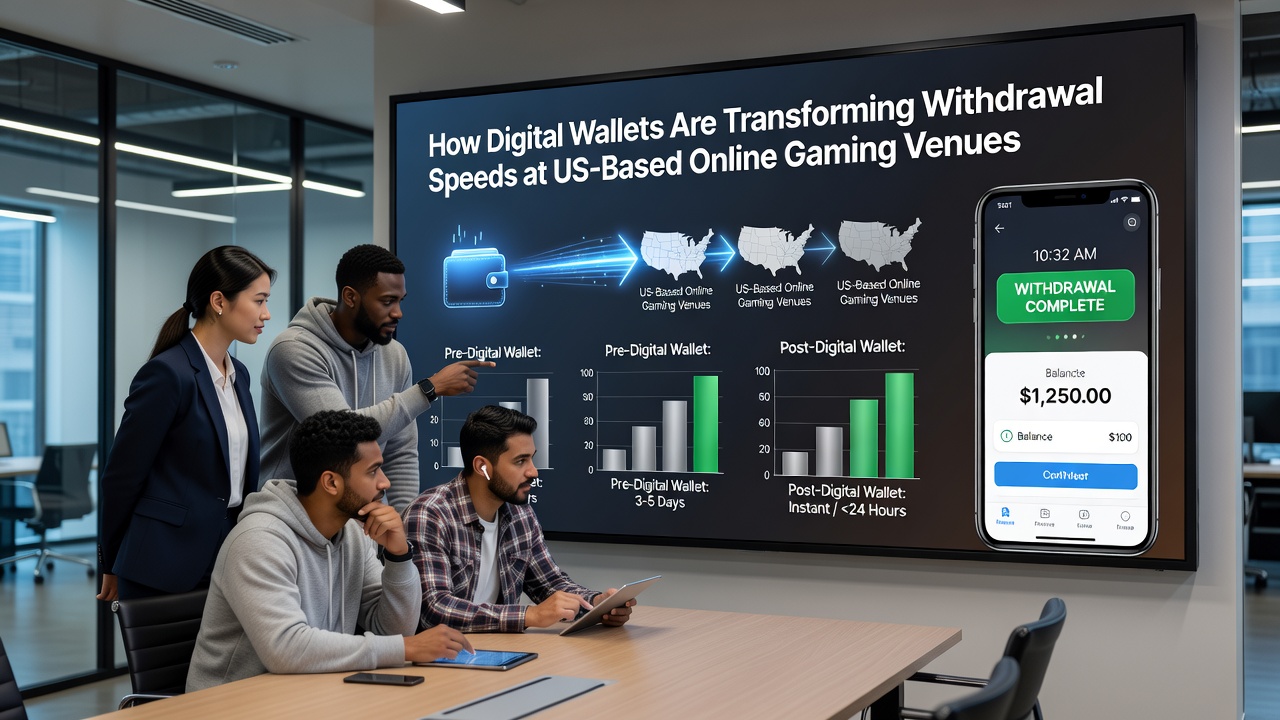
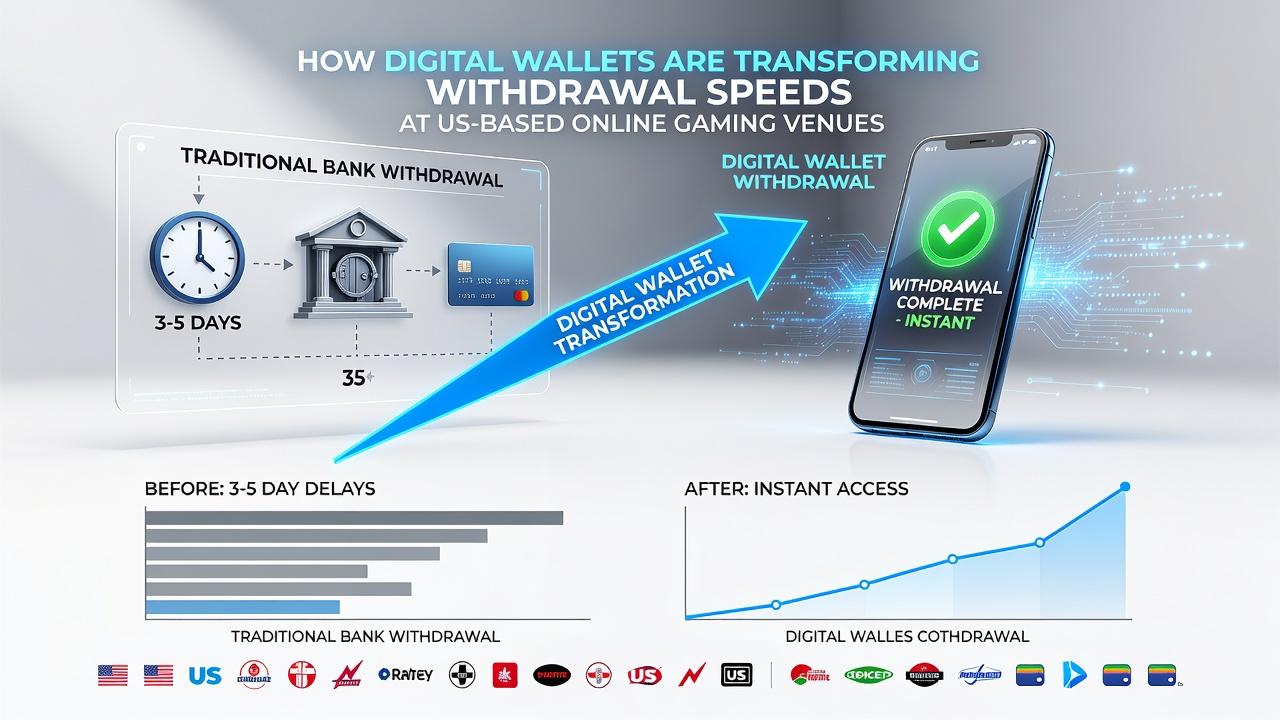
Digital wallets have become a standard option for players seeking faster access to winnings at US online casinos and sportsbooks, and the shift shows up clearly in state regulatory data from markets like New Jersey, Pennsylvania, and Michigan. Traditional bank transfers often required one to five business days for processing, whereas services such as PayPal, Venmo, and Skrill complete many withdrawals in under an hour once verification clears. Observers note that this change stems from direct integration between gaming platforms and payment providers that bypass slower ACH rails.
State-Level Data on Payout Timelines
Figures from the New Jersey Division of Gaming Enforcement indicate that digital wallet withdrawals accounted for roughly 38 percent of all payout requests in the first half of 2026, up from 22 percent the prior year. Michigan's Gaming Control Board reported similar growth, with e-wallet usage rising 31 percent between January and July 2026. These numbers reflect expanded player adoption after several major operators added instant cash-out features during platform updates rolled out in late 2025.
Operators in Pennsylvania integrated Venmo and PayPal options earlier than most states, and data shows average withdrawal completion times dropped from 36 hours to under four hours for verified accounts. The American Gaming Association documented that 72 percent of member sites now offer at least two digital wallet choices, citing improved player retention as a key driver behind the expansion.
Technical Integration Behind Faster Processing
Wallet providers connect to casino back-end systems through APIs that confirm player identity and available funds in real time. Once a withdrawal request receives approval, funds move directly to the linked wallet rather than routing through intermediary banks. This architecture eliminates batch processing cycles that previously delayed transfers until the next business day.
Research from the University of Nevada, Reno gaming laboratory examined transaction logs from three major platforms and found that digital wallet payouts averaged 47 minutes from request to receipt during peak hours, while wire transfers averaged 28 hours. The study attributed the difference to pre-verified account status and automated fraud checks that run in seconds instead of manual reviews.
Security protocols have kept pace with speed gains. Multi-factor authentication and device fingerprinting now operate in the background, allowing operators to flag suspicious activity without slowing legitimate requests. August 2026 updates from several platforms introduced biometric confirmation for withdrawals above $500, further reducing manual intervention rates.
Player Behavior Patterns Across Markets
Those who track player activity report that digital wallet users tend to request smaller, more frequent withdrawals compared with bank transfer users. One analysis of anonymized transaction data showed wallet withdrawals averaging $187 per request, versus $412 for traditional methods. The pattern suggests players treat wallet balances like everyday spending accounts rather than holding funds for larger transfers.
Interstate compacts have also influenced wallet adoption. Shared player pools between New Jersey and Pennsylvania allow accounts to move across state lines, and operators extended the same wallet linkages to maintain consistent payout speeds regardless of location. Michigan joined the compact in early 2026, and initial reports indicate wallet withdrawal volumes rose another 19 percent in the first month after integration.
Regulatory Oversight and Compliance Standards
State regulators require operators to maintain separate records for each payment method and to reconcile wallet transactions daily. The Nevada Gaming Control Board updated its technical standards in March 2026 to mandate audit trails that capture every API call between casino systems and wallet providers. Compliance teams now review these logs alongside traditional banking reports.
Industry groups such as the Responsible Gambling Council have examined whether faster access to funds affects player behavior, and preliminary data collected through operator surveys show no measurable increase in problem gambling indicators tied specifically to wallet speed. Regulators continue to monitor these metrics as more states authorize online gaming.
Future Outlook for Wallet Features
Platform developers are testing additional wallet types including stablecoin options and bank-linked instant transfer services that operate outside traditional card networks. Early pilots in New Jersey showed completion times under 90 seconds for micro-withdrawals under $50, though full rollout awaits further regulatory review. Observers expect broader availability by the end of 2027 once testing data satisfies state requirements.
Operators continue to refine user interfaces so players can select wallet preferences at the point of withdrawal rather than during initial registration. This flexibility has contributed to higher conversion rates from deposit to cash-out within the same session.
Conclusion
Digital wallets have shortened payout windows at US online gaming venues by replacing slower banking channels with direct, verified transfers. State data from New Jersey, Pennsylvania, and Michigan documents rising usage alongside measurable reductions in average completion times. Technical integrations, regulatory updates, and shifting player patterns all factor into the ongoing transition, and further wallet options remain under evaluation as markets expand.