Hybrid Gaming in the US: Merging App Slots with Live Dealer Casino Sessions
Lars Bauer · Aug 21, 2026
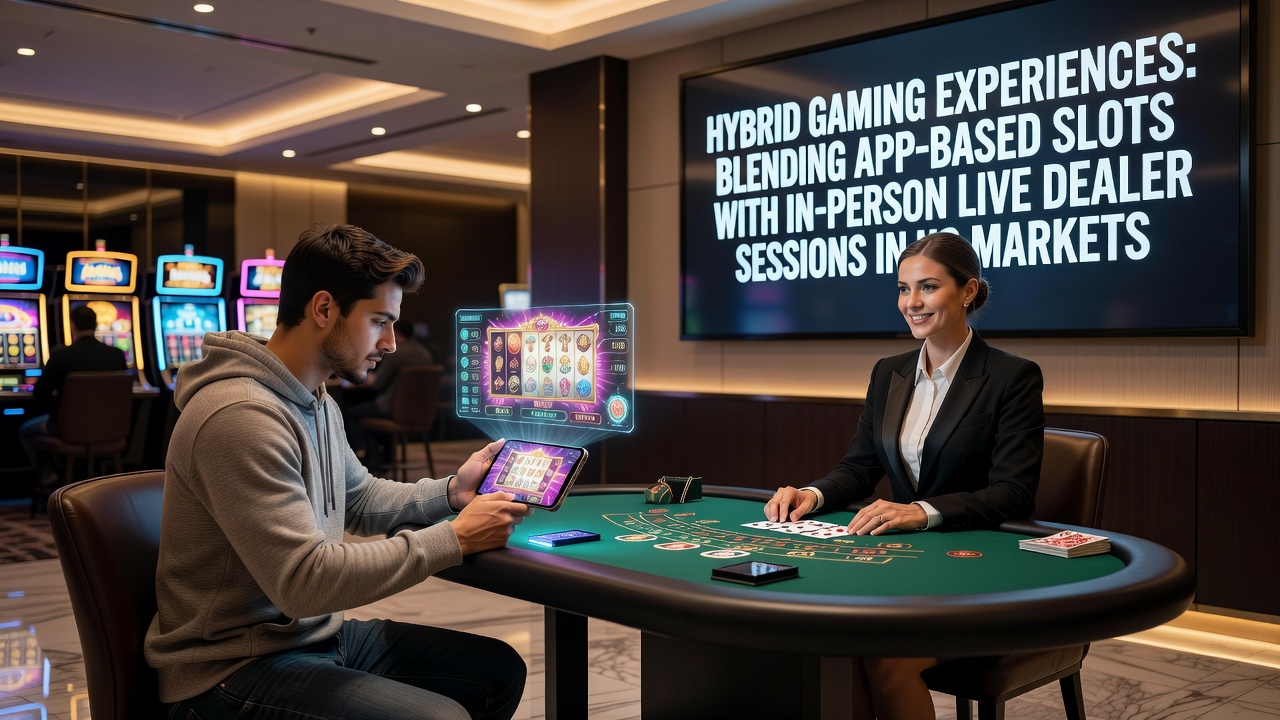
Hybrid Gaming in the US: Merging App Slots with Live Dealer Casino Sessions
Hybrid gaming models continue to gain traction across regulated US markets where operators combine app-based slots with in-person live dealer sessions through integrated platforms and loyalty systems, and data from state gaming reports show steady increases in cross-channel participation since 2024. Several states including New Jersey, Pennsylvania, and Michigan have seen operators develop seamless transitions that allow players to start sessions on mobile apps before moving to physical tables, and this approach aligns with broader trends in interstate compacts that permit shared player pools.
According to figures released by the American Gaming Association, mobile slot revenue in hybrid-enabled jurisdictions grew by 18 percent year-over-year through mid-2026, while live dealer tables maintained consistent foot traffic at partnered venues. Operators achieve this blend by linking app accounts to casino loyalty programs, which means progress on digital slots can unlock table reservations or bonus credits redeemable on-site, and players often report smoother experiences when systems sync real-time data between channels.
State-Level Developments Driving Integration
Regulators in multiple jurisdictions have updated rules to accommodate hybrid play without creating separate licensing categories, and this has encouraged companies to test unified wallets that function across app slots and live sessions. In New Jersey, the Division of Gaming Enforcement approved pilot programs in early 2026 that let licensed casinos offer app users priority entry to live dealer tables during peak hours, whereas Pennsylvania’s Gaming Control Board has focused on data-sharing standards that protect player information during transitions between digital and physical environments.
August 2026 marks the rollout of updated geofencing protocols in several states that ensure app-based activity remains confined to approved boundaries even when users plan in-person visits, and these technical adjustments reduce compliance friction for operators running both formats. Observers note that states with mature iGaming frameworks tend to adopt these hybrids faster because existing infrastructure already supports account verification and age checks across platforms.
Technology Enabling Cross-Channel Play
Software providers have introduced APIs that connect slot apps directly to casino management systems, allowing live dealer sessions to recognize player history from mobile play and adjust table minimums or promotions accordingly. This technical layer supports features such as shared progressive jackpots that accumulate from both app spins and live table bets, and one study from the University of Nevada’s gaming research center found that such mechanics increased average session length by roughly 12 minutes per participant in test markets.
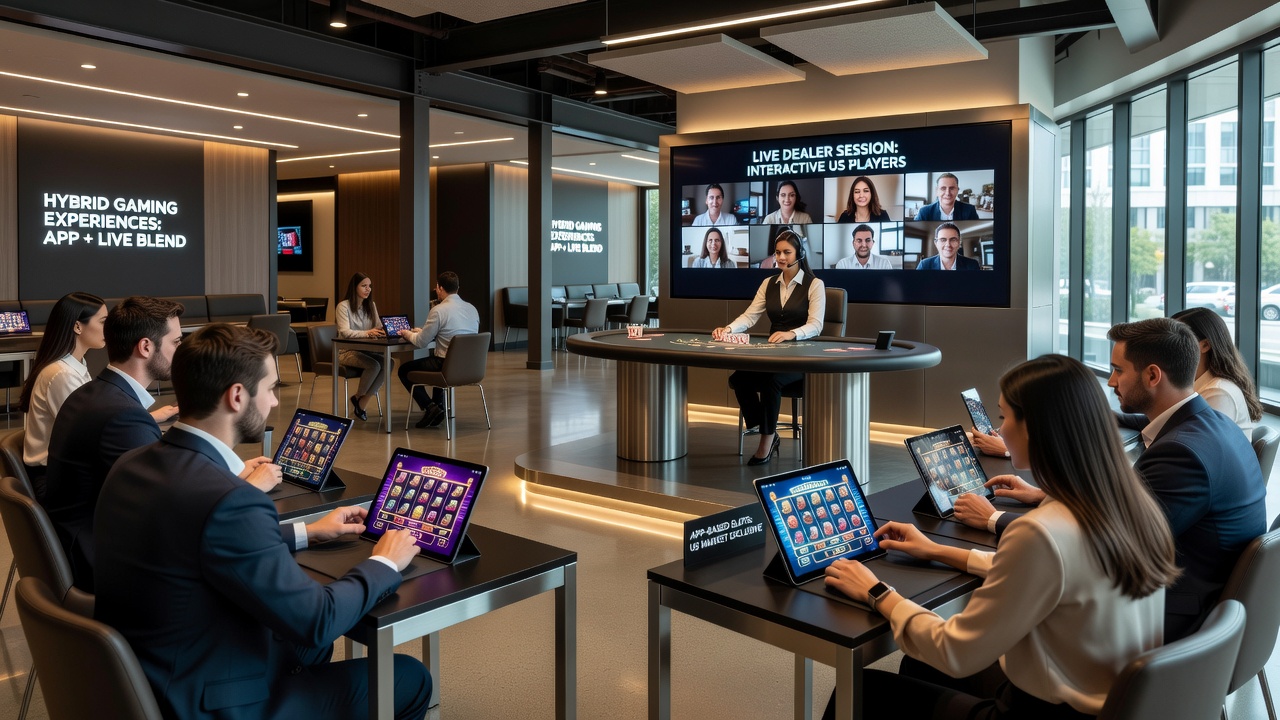
Hardware upgrades at casino properties have also played a role, with many venues installing tablets at live tables that mirror app interfaces so players can continue tracking slot progress while seated at a dealer table. Data from the Canadian Institute for Gaming Research indicates similar hybrid models in Ontario produced a 9 percent rise in combined revenue streams during the first half of 2026, suggesting the pattern may translate across borders when regulatory conditions align.
Player Behavior and Market Response
Those who have examined transaction logs report that hybrid users tend to split their activity evenly between slots on the app and live sessions at the property, whereas traditional single-channel players show more concentrated patterns. Loyalty programs now award tier points for both formats under unified rules, which has prompted operators to adjust marketing campaigns that promote the full hybrid journey rather than isolated products.
Industry reports highlight that younger demographics drive much of the adoption, with users aged 25 to 34 showing the highest rates of switching between app and live environments within a single visit. Yet older segments participate when promotions explicitly link digital progress to physical rewards, and this cross-generational appeal has helped stabilize revenue even during slower tourism periods.
Regulatory Considerations and Future Outlook
State commissions continue to monitor hybrid models for responsible gaming implications, particularly around session tracking that spans digital and physical spaces, and several have required operators to implement unified time and spend limits. These measures build on existing frameworks without introducing entirely new oversight structures, which keeps administrative costs manageable for both regulators and companies.
Partnerships between app developers and brick-and-mortar operators have accelerated since 2025, with contracts often specifying revenue splits that reflect the blended nature of play. As more states evaluate expanded iGaming legislation, hybrid options appear likely to feature prominently in proposals because they leverage existing casino assets while meeting consumer demand for flexibility.
Conclusion
Hybrid gaming experiences that blend app-based slots with in-person live dealer sessions have established a measurable presence in US markets through coordinated technology, loyalty integration, and regulatory support. Data from multiple state and academic sources show consistent growth in combined participation, and ongoing developments in August 2026 point toward further refinements in geofencing and account synchronization. The model continues to evolve as operators refine the technical and operational links that allow players to move fluidly between formats while remaining within regulated boundaries.