Integrating Live Dealer Experiences with Mobile Sports Wagering Platforms Across Leading US Jurisdictions
Lars Vogel · Jul 17, 2026
Integrating Live Dealer Experiences with Mobile Sports Wagering Platforms Across Leading US Jurisdictions
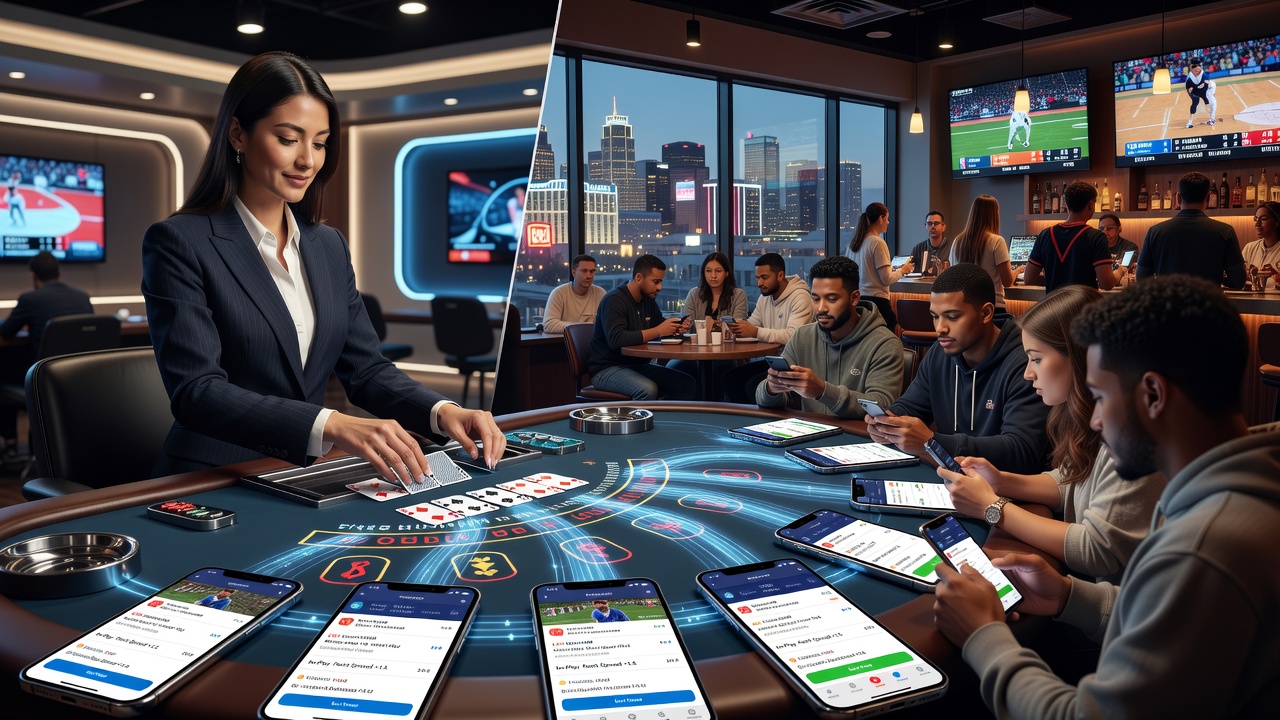
Operators in regulated US markets continue to merge live dealer tables with mobile sports betting applications through unified platforms that allow users to access both products within a single account and balance system. This integration relies on shared player databases, real-time data feeds, and geo-fencing technology to maintain compliance while enabling seamless transitions between casino tables and sports wagers in states such as New Jersey, Pennsylvania, Michigan, and West Virginia.
Core Mechanics of Platform Synchronization
Developers achieve synchronization by linking live dealer software, which streams video from physical or virtual studios, directly to sports betting engines that update odds and settlements instantaneously. Players place wagers on roulette or blackjack while monitoring basketball or football lines in adjacent windows, with automatic balance adjustments occurring after each outcome settles. Several platforms employ application programming interfaces that pull data from both verticals to trigger cross-product promotions, such as bonus credits earned from a sports parlay that convert to live table play credits.
Geo-location verification remains active throughout sessions because state laws require separate licensing for sports betting and casino gaming, even when offered by the same company. Systems detect user positions multiple times per minute and restrict access accordingly, while single sign-on protocols reduce login friction without compromising regulatory oversight.
Market Implementation in Key States
New Jersey established early precedents for combined offerings after its 2018 sports betting legalization expanded existing online casino frameworks. Licensed entities there now report that a growing share of mobile sessions involve users switching between live dealer rooms and sportsbooks during the same visit. Pennsylvania followed with similar integrations after its online casino launch in 2019, and data collected through 2026 shows continued expansion of bundled marketing campaigns that reward activity across both products.
Michigan and West Virginia adopted comparable models once their respective frameworks matured, with operators deploying unified apps that support live dealer tables streamed from studios in Atlantic City or Detroit alongside local sports betting markets. Observers note that interstate compacts allowing shared poker liquidity have not yet extended to live dealer products, keeping those tables state-specific for the time being.
Technological and Regulatory Considerations Through Mid-2026
Platform providers updated their systems in July 2026 to incorporate enhanced fraud detection that monitors patterns across sports and live casino activity simultaneously. These upgrades address concerns about bonus abuse while preserving the ability for users to combine deposit methods and withdrawal histories in one account statement. Regulatory bodies in each state review such features during periodic audits to confirm adherence to responsible gaming standards and age verification protocols.
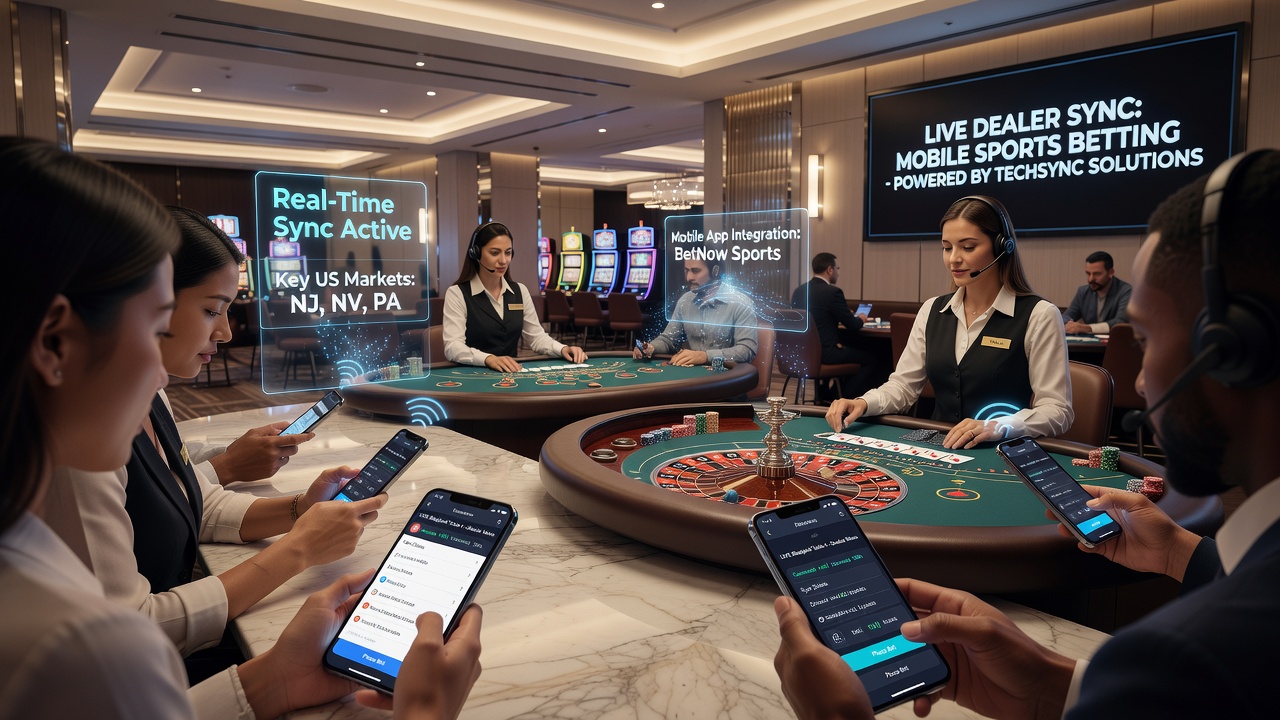
Industry reports indicate that synchronization reduces customer acquisition costs because existing sports bettors convert to live dealer play at higher rates than standalone marketing achieves. According to figures released by the American Gaming Association, combined product usage grew steadily across reporting jurisdictions during the first half of 2026. Research conducted at the University of Nevada, Las Vegas, further examined player behavior patterns and found that synchronized sessions typically last longer than single-product sessions, though average wager sizes remain comparable across both verticals.
Operators must still navigate differing tax structures and reporting requirements between sports betting and casino gaming in each state. Pennsylvania, for example, applies distinct tax rates to each category, which necessitates precise revenue allocation within integrated systems. Similar distinctions exist in New Jersey and Michigan, prompting continued investment in backend accounting tools that separate taxable events while presenting a unified front-end experience to users.
Player Experience and Operational Outcomes
Users in these markets encounter features such as live chat that spans both products, allowing questions about table rules or sports prop bets to route through the same support channel. Push notifications alert players to upcoming dealer shifts or in-game sports betting opportunities, and loyalty programs accumulate points from activity in either vertical toward shared tier benefits. Case studies from major operators reveal that these unified programs increase retention metrics compared with siloed offerings.
Technical challenges persist around latency during peak events, when high volumes of sports wagers coincide with popular live dealer tables. Companies address these issues through content delivery network optimizations and redundant streaming servers positioned near major population centers. Regulatory reviews in July 2026 confirmed that all licensed platforms met minimum uptime thresholds during major sporting events.
Conclusion
Synchronization between live dealer tables and mobile sports betting applications continues to evolve within the regulatory boundaries of leading US markets. Unified accounts, real-time data integration, and compliant geo-fencing form the foundation of these systems, while ongoing technological refinements support expanded usage without compromising state-specific requirements. Data from industry associations and academic research indicates measurable growth in cross-product engagement through the middle of 2026, driven by operational efficiencies and player convenience features that respect existing legal frameworks.