Interstate Data Exchanges Transform Loyalty Rewards Across U.S. Gaming Platforms
Drew Hartmann · Aug 10, 2026
Interstate Data Exchanges Transform Loyalty Rewards Across U.S. Gaming Platforms
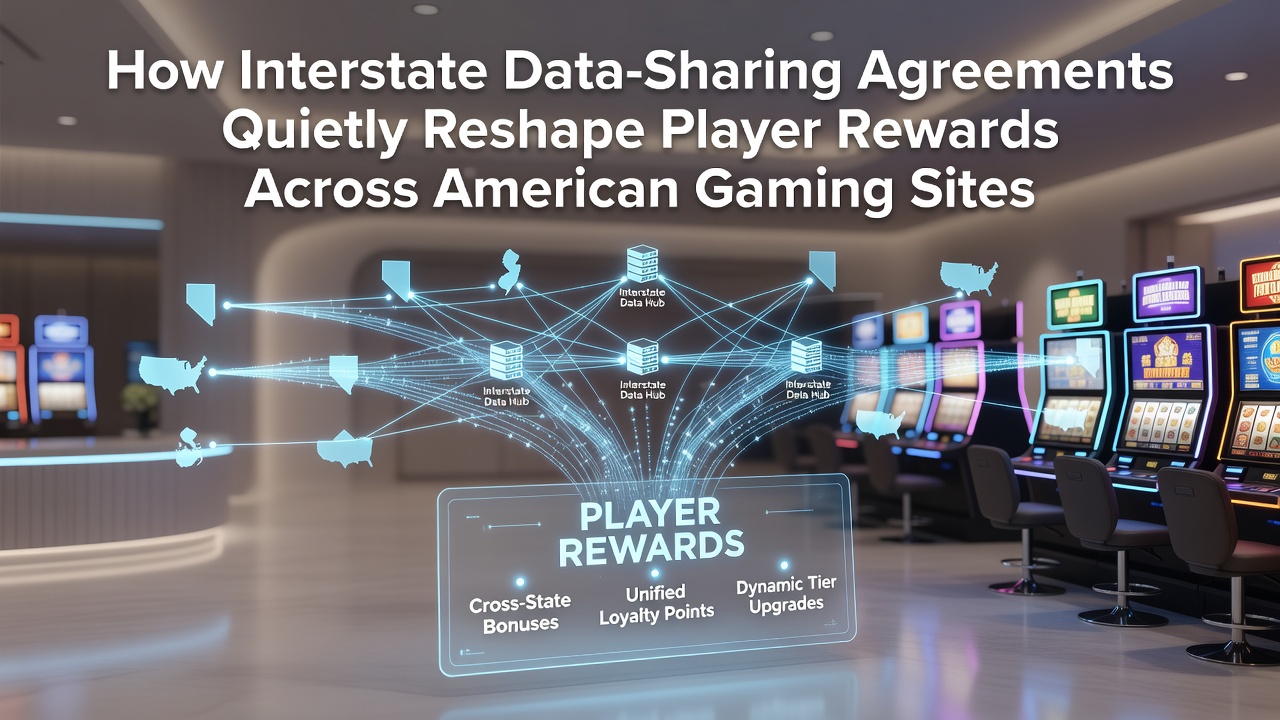
Interstate data-sharing agreements have expanded across regulated U.S. gaming markets since the early 2020s, allowing operators to pool player activity data from multiple jurisdictions under compact frameworks. These arrangements connect loyalty systems in states such as New Jersey, Pennsylvania, Michigan, and West Virginia, where legislation permits cross-border information exchange for account management and reward calculations. Players who engage with platforms in more than one state now see their activity tracked through shared databases that feed into unified tier structures and bonus allocations.
Mechanics Behind Cross-State Reward Integration
Operators use secure application programming interfaces to transmit gameplay metrics, deposit histories, and session durations between licensed platforms, which enables algorithms to adjust reward eligibility based on cumulative play across borders. Data from one state's online casino can influence points earned in another because the agreements establish standardized protocols for encryption and consent verification. By August 2026 several additional compacts had taken effect in the Midwest and Northeast, extending these capabilities to new markets where mobile gaming volumes continued to rise.
Take one operator managing properties in three states who noticed that players crossing state lines received tier upgrades faster once data pools merged. The system calculates lifetime value using aggregated figures rather than isolated state records, which shifts how welcome bonuses, cashback percentages, and exclusive event invitations are distributed. Regulators in each participating jurisdiction require operators to maintain separate ledgers for tax reporting while still permitting the shared layer for marketing and retention purposes.
Player Account Portability and Tier Adjustments
Account portability features emerged as a direct result of these agreements, letting users carry progress between affiliated sites without resetting loyalty counters. A player who reaches gold status in one jurisdiction automatically qualifies for matching benefits elsewhere because the shared database synchronizes status flags in real time. Observers note that this reduces the need for separate sign-ups and instead funnels activity toward operators with the widest multi-state footprints.
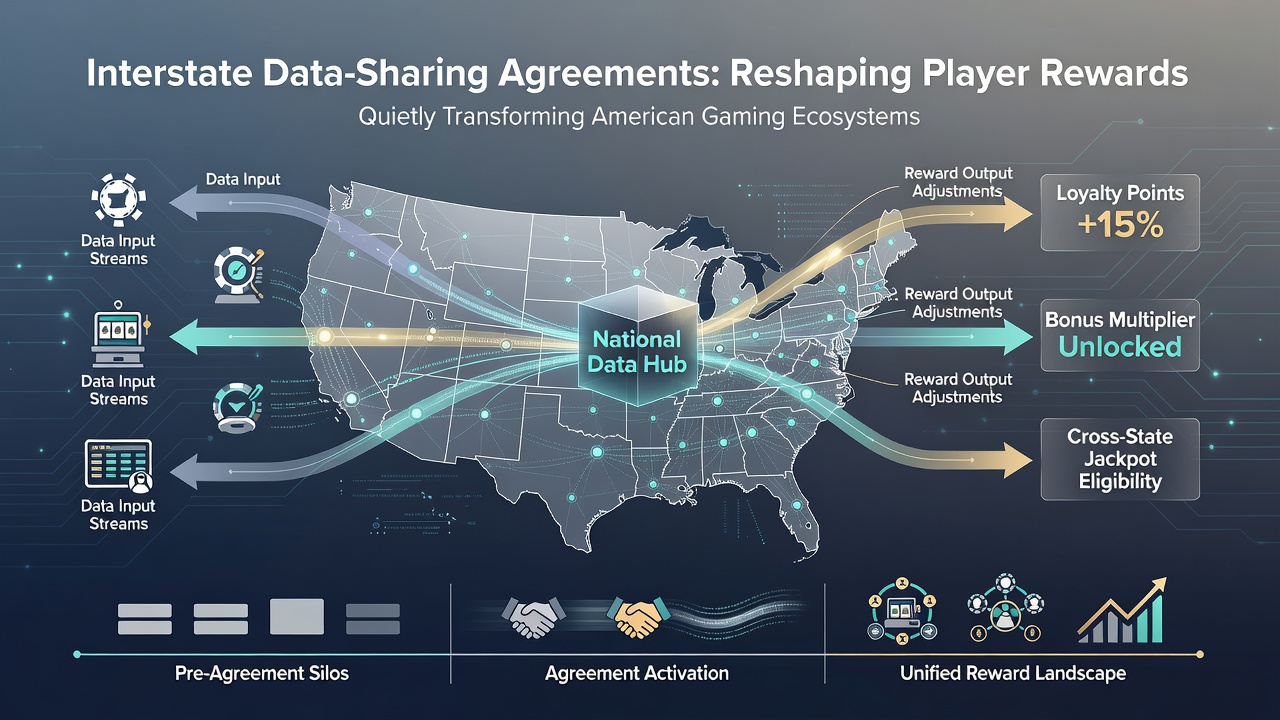
Those who've studied the implementation data point to measurable changes in redemption patterns. Figures from industry reports indicate that players with multi-state profiles redeem reward credits at higher rates than single-state users, largely because the pooled data surfaces personalized offers tied to broader behavioral trends. Yet operators must still comply with each state's distinct advertising rules, which creates layered approval processes before any cross-border promotion launches.
Regulatory Oversight and Compliance Standards
State gaming commissions coordinate through memoranda that outline audit rights and data retention limits, ensuring no single entity gains unauthorized access to full player profiles. The American Gaming Association has published guidance on best practices for these exchanges, emphasizing consent management platforms that let users opt out of certain data flows while retaining core account functionality. American Gaming Association resources detail how participating companies document compliance through annual third-party reviews.
Another perspective comes from research conducted at the University of Nevada, Las Vegas, which examined how data aggregation affects player segmentation models. Their findings show that operators gain clearer pictures of high-value users when activity spans several regulated environments, allowing more precise allocation of marketing budgets without increasing overall spend. UNLV studies on gaming regulation further highlight the role of standardized data fields in reducing discrepancies during interstate audits.
Market Expansion Patterns Through 2026
Expansion has followed a deliberate sequence, with early agreements focused on poker player pools before broadening to casino-style rewards. By mid-2026 platforms in five additional states had joined existing compacts, bringing the total number of connected markets above a dozen. This growth coincides with rising mobile adoption rates, where seamless reward access influences which app a player opens first when traveling between jurisdictions.
What's interesting is how smaller regional operators leverage these pacts to compete with larger national brands. Shared data gives them visibility into player preferences that would otherwise remain siloed, enabling targeted loyalty campaigns that mirror those of bigger competitors. The result appears in retention metrics that show reduced churn among users who maintain activity across two or more participating states.
Conclusion
Interstate data-sharing agreements continue to standardize how loyalty rewards function across American gaming sites by linking previously isolated player records under controlled frameworks. As more states finalize participation and technical standards mature, the structure of tier progression, bonus delivery, and account portability will keep evolving in measurable ways. Those monitoring regulatory filings expect further refinements by the end of 2026 as operators and commissions refine consent procedures and reporting requirements.