Interstate Liquidity Pools Transform Multi-State Online Poker Tournaments
Vera Flores · Jul 3, 2026
Interstate Liquidity Pools Transform Multi-State Online Poker Tournaments
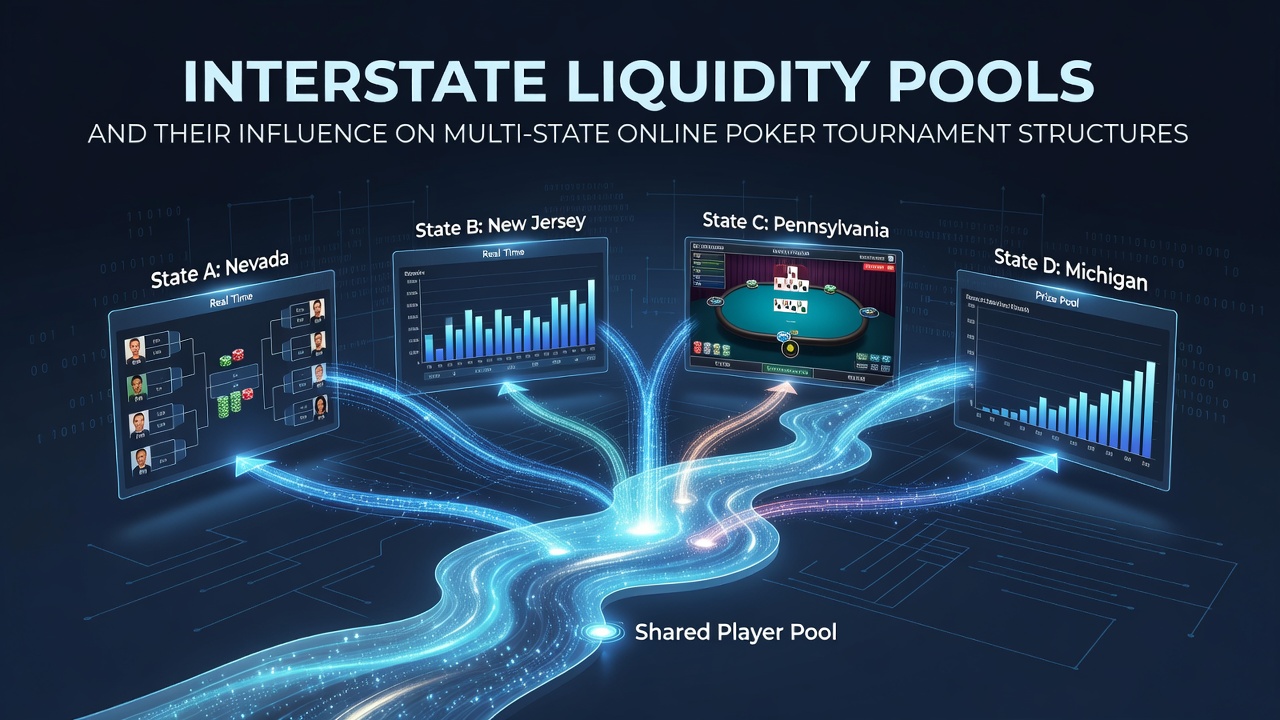
Interstate liquidity pools allow poker operators in different states to combine player bases into shared networks, and this setup directly changes how multi-state online poker tournaments operate. States such as New Jersey, Pennsylvania, Michigan, and West Virginia participate in these arrangements, while additional jurisdictions evaluate similar compacts as of mid-2026. The result appears in larger field sizes, adjusted prize distributions, and synchronized tournament schedules that cross state lines.
Mechanics Behind Shared Liquidity
Operators connect their platforms through agreements that pool player funds and entries without moving money across borders in violation of state rules. Each state retains its own regulatory oversight, yet the combined player pool creates tournaments that draw participants from every participating jurisdiction at once. Data from industry reports show average field sizes in shared events growing by 40 percent compared with single-state formats during the first half of 2026.
Software platforms handle seat allocation and payout calculations in real time, while state gaming commissions receive separate reporting streams. This structure keeps compliance localized even as the player experience feels national in scale. Observers note that July 2026 brought renewed discussions among state regulators about expanding these compacts to include additional Midwestern states.
Effects on Tournament Scheduling and Formats
Multi-state events now follow unified calendars that prevent overlap between major series, and this coordination reduces player fatigue while increasing participation rates. Daily tournaments that once ran separately in each state merge into single leaderboards, which means a player in Michigan can compete directly against someone in Pennsylvania for the same prize pool. Research from gaming associations indicates that these merged events reach final tables with 30 to 50 percent more entrants than pre-pool equivalents.
Blind structures and payout percentages receive adjustments to account for the increased variance that comes with larger fields. Organizers extend early levels and widen pay jumps to maintain engagement across time zones. Those who track participation data report that evening tournaments starting between 7 and 9 p.m. Eastern see the strongest cross-state turnout.
Regulatory Framework and State Oversight
Each participating state maintains its own licensing, age verification, and responsible gaming standards while the liquidity pool operates under a master agreement reviewed by all parties. Regulators exchange audit information through secure channels, and operators must demonstrate that funds remain segregated by state until tournament completion. Figures released by the American Gaming Association highlight that compliance costs for multi-state operators rose modestly in 2025 yet stabilized once standardized reporting templates took effect.
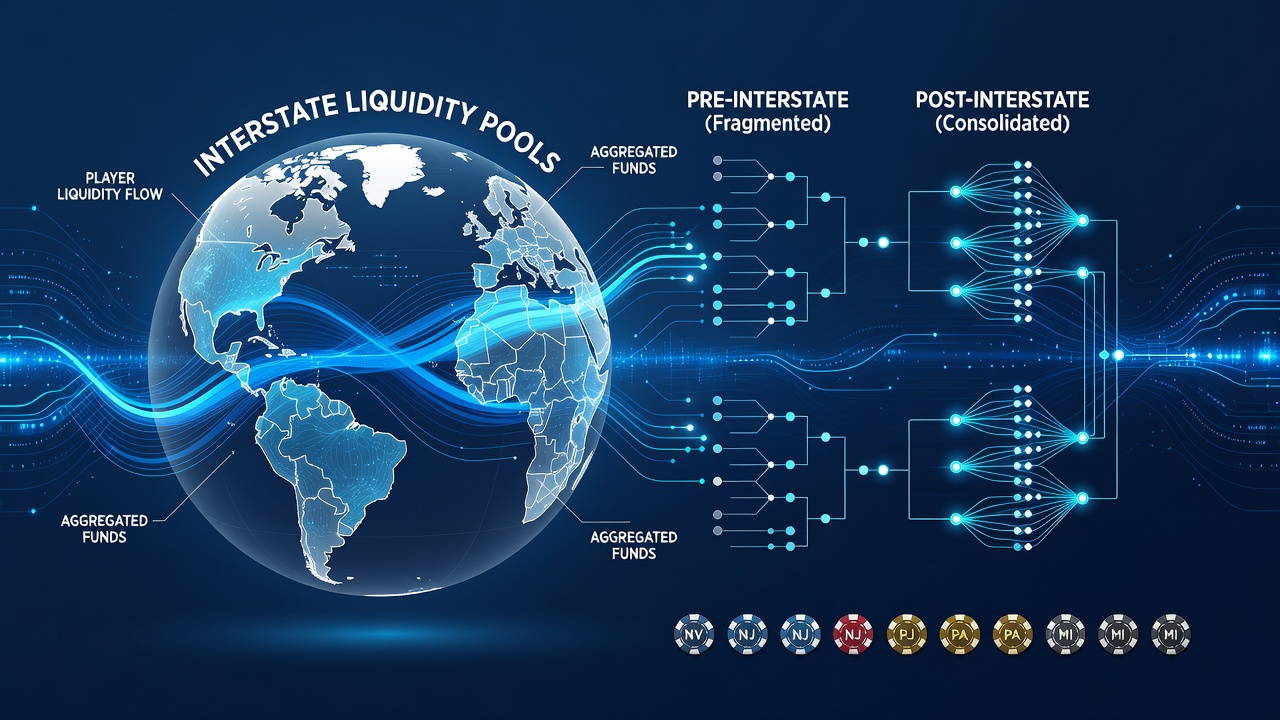
Legal challenges in 2024 and 2025 tested whether shared pools constitute unauthorized interstate gambling, yet courts upheld the arrangements when states explicitly authorized them through legislation. Additional states considering entry in late 2026 review model legislation that mirrors successful compacts already in place. Industry organizations such as the Poker Players Alliance track these developments and provide summaries for legislators evaluating expansion.
Player Experience and Prize Pool Growth
Players gain access to larger guaranteed prize pools that previously existed only in major festival events, and this change encourages more frequent entries from recreational participants. Leaderboards aggregate results across states, which creates opportunities for regional rivalries within national fields. Studies conducted by university research centers on online gambling behavior note that average session length increases when players compete against a broader pool of opponents.
Withdrawals and tax reporting remain state-specific, so a winner in one jurisdiction receives payment through the local operator even if the tournament drew entrants from elsewhere. This separation preserves each state's revenue collection while delivering the engagement benefits of pooled liquidity. Participation statistics compiled through 2026 show consistent month-over-month growth in states that joined pools earliest.
Operational Challenges for Platforms
Operators must maintain separate RNG certifications, customer support teams, and marketing approvals for each state while running unified tournament software. Network latency requirements tighten because events run simultaneously across multiple time zones, and platforms invest in redundant servers to prevent disruptions. Case examples shared at industry conferences reveal that early technical glitches in 2025 prompted upgrades that now support smoother cross-state play.
Marketing rules differ by state, so promotional offers tied to shared tournaments require careful segmentation to avoid regulatory violations. Those who manage these campaigns report that geo-targeted messaging yields higher conversion rates than blanket national promotions once used before liquidity pools existed.
Conclusion
Interstate liquidity pools continue to reshape multi-state online poker tournament structures through larger fields, synchronized schedules, and coordinated regulatory oversight. As more states evaluate participation in 2026, the operational models refined in current compacts provide templates for future expansion while preserving each jurisdiction's authority over its own market.