Loyalty Tier Structures Influencing Engagement Patterns in Regulated US Casino Applications
Lars Vogel · Aug 21, 2026
Loyalty Tier Structures Influencing Engagement Patterns in Regulated US Casino Applications
State-regulated casino apps in markets such as New Jersey, Pennsylvania, and Michigan have integrated tiered loyalty systems that assign players to levels based on cumulative wagering activity, and these structures now guide how operators allocate rewards while tracking session duration and deposit frequency.
Core Components of Tier Progression
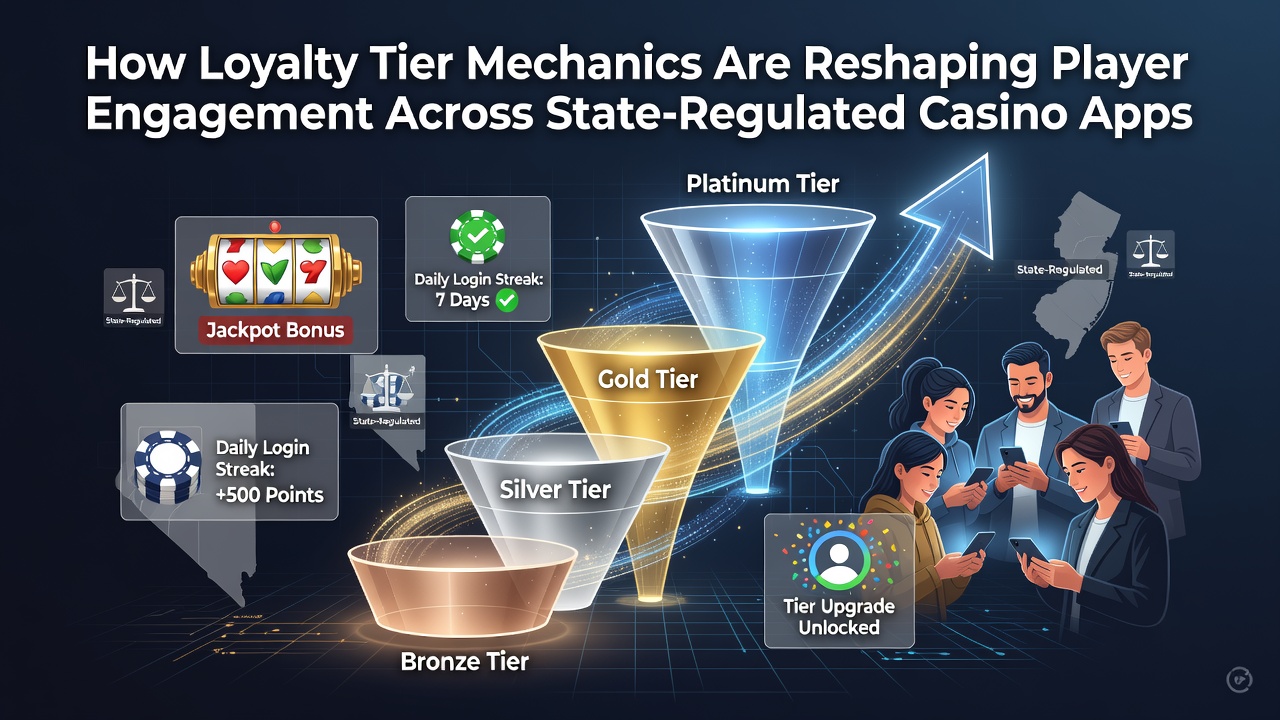
Operators calculate tier status through points earned from bets placed on slots, table games, adn live dealer options, with thresholds that reset on annual or semi-annual cycles. Entry-level participants start at base categories that unlock standard cashback rates and occasional free spins, whereas mid-tier users receive accelerated point accumulation and access to dedicated account managers. Higher brackets add elements like personalized game recommendations and reduced wagering requirements on promotional offers.
Data compiled by the American Gaming Association shows that apps employing multi-level reward ladders recorded average session lengths 18 percent longer than those without structured tiers during the first half of 2026. Players who advance through at least three tiers demonstrate deposit patterns that remain consistent across calendar quarters, according to aggregated operator reports submitted to state oversight bodies.
Regional Implementation Differences
New Jersey platforms emphasize tier-linked tournament entries that allow qualified users to compete for leaderboard prizes without additional entry fees, while Pennsylvania apps prioritize withdrawal speed upgrades that scale with loyalty status. Michigan operators have introduced tier-specific live dealer tables where higher-level participants receive priority seating and customized betting limits. These variations reflect each state's distinct regulatory framework for promotional mechanics and player fund handling.
One study released by the University of Nevada, Reno examined activity logs from three interstate apps and found that tier advancement correlated with a 27 percent increase in weekly active users between January and August 2026. The research tracked over 120,000 accounts and noted that players reaching the second-highest tier maintained play frequency even during periods of lower promotional volume.

Measurement of Engagement Shifts
Retention metrics tracked by operators indicate that tiered programs reduce churn rates among users who reach mid-level status within the first 90 days of registration. Points systems that convert directly into playable credits encourage repeated deposits because the conversion ratio improves at each successive tier. Operators also report higher uptake of live dealer content among tiered players, since many programs reserve exclusive tables or higher table limits for those categories.
Figures released by iGaming Ontario in a cross-border comparison report reveal similar engagement lifts in Canadian markets that share technological infrastructure with US apps. The data highlights that tier visibility within the app interface itself drives additional logins, as players check progress toward the next threshold even when not intending to wager immediately.
Integration With Responsible Play Tools
State regulators require that tier benefits remain separate from mandatory responsible gambling features such as deposit limits and self-exclusion lists. Several apps now display tier status alongside session time counters so players can monitor both reward progress and play duration on the same screen. This presentation approach satisfies compliance requirements while preserving the motivational aspect of tier advancement.
Industry observers note that operators adjust point-earning rates seasonally to align with sports calendars, which indirectly affects engagement curves in states that permit sports betting alongside casino games. Adjustments appear in public filings submitted to the Nevada Gaming Control Board and similar bodies, providing transparency on how reward structures evolve.
Technical Delivery and User Interface
Most tier systems operate through real-time APIs that update point balances after each resolved bet, eliminating the need for manual reconciliation. Push notifications alert users when they approach a tier threshold or when a new benefit becomes available, and these alerts contribute to daily active user counts. Developers have refined the display logic so that progress bars remain visible without interrupting core gameplay flows.
Case examples from Pennsylvania apps show that introducing tier-based leaderboard challenges during August 2026 increased participation in daily missions by double-digit margins compared with the prior year. The challenges award bonus points that accelerate tier movement, creating a feedback loop between short-term tasks and long-term status goals.
Conclusion
Tier mechanics continue to evolve as operators respond to regulatory updates and player behavior data across state lines. The systems now form a central component of how regulated apps structure rewards while maintaining compliance with each jurisdiction's technical and responsible gambling standards. Ongoing reporting from multiple oversight entities supplies the raw numbers that allow observers to track how these programs influence session metrics and retention over successive quarters.