Mapping Interconnected Betting Routes Through America's Licensed Slots and Poker Networks
Lars Bauer · May 20, 2026
Mapping Interconnected Betting Routes Through America's Licensed Slots and Poker Networks
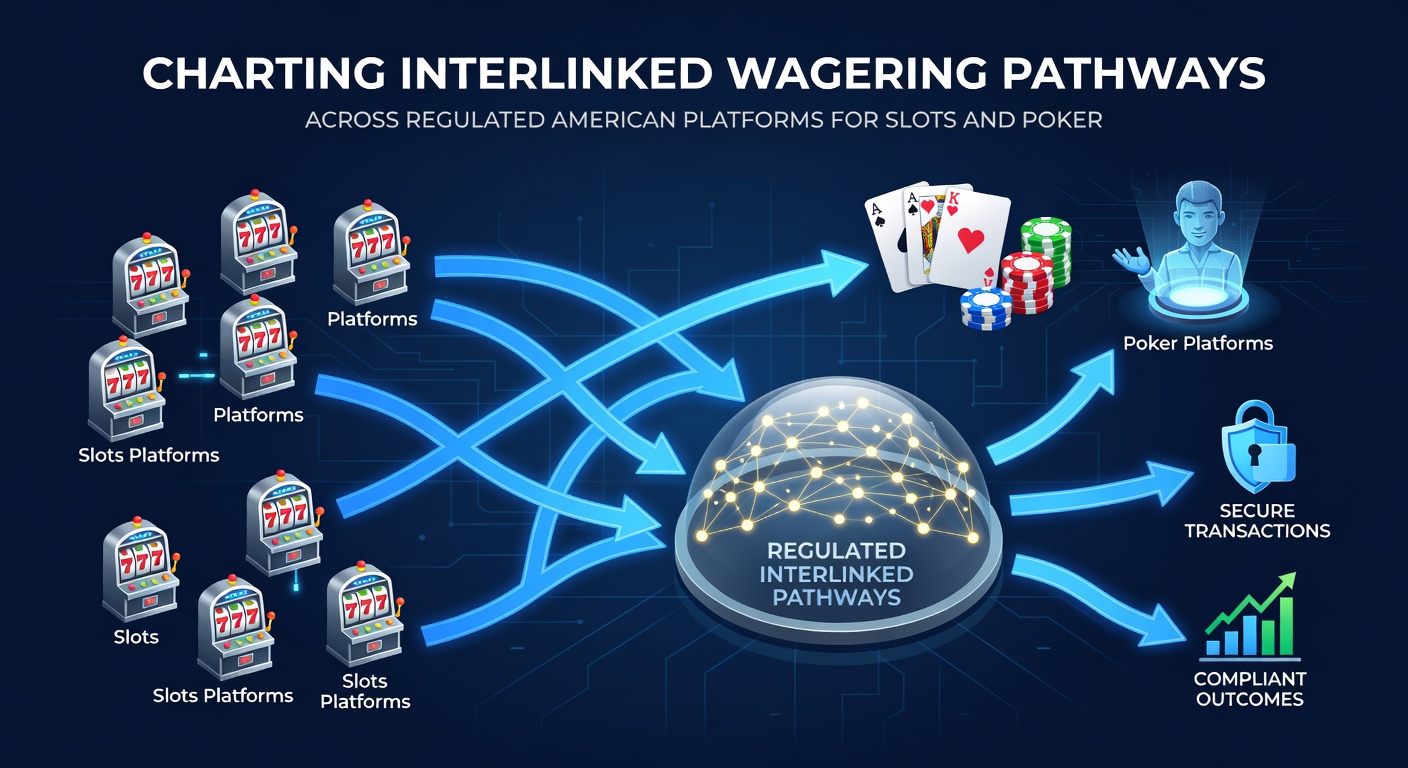
Regulated platforms in states such as New Jersey, Pennsylvania and Michigan allow users to move between slot games and poker rooms through shared account systems and unified wallet features that track activity across both categories without requiring separate logins or fund transfers. Data from state gaming reports indicate that these integrated setups account for a growing share of total handle as operators refine user interfaces to support seamless switches between reel-spinning sessions and table-style poker tables.
Current Structure of Linked Wagering Systems
Operators maintain single-player profiles that record wagers placed on video slots alongside poker tournament entries and cash-game stakes, creating detailed logs that regulators review for compliance. According to statistics published by the New Jersey Division of Gaming Enforcement, combined slot and poker volumes on licensed sites exceeded $4.2 billion in the most recent full year, with cross-category play representing roughly 28 percent of active accounts. Players often begin with low-volatility slots to build small balances before shifting to poker sit-and-gos or multi-table tournaments using the same deposited funds.
Geo-fencing technology enforces state boundaries while permitting internal transfers between game types, and loyalty programs award points that accumulate from both slot spins and poker rake contributions. Industry analyses show that these point systems encourage longer engagement periods because rewards earned in one vertical can be redeemed for bonuses applicable to the other.
Technology Enabling Pathway Navigation
Backend software from major providers synchronizes game libraries so that a user finishing a poker hand can immediately access a recommended slot title based on previous betting patterns stored in teh platform database. Mobile applications present these suggestions through in-app carousels, and push notifications alert players when new slot releases align with their historical poker stake levels. Research compiled by the University of Nevada, Las Vegas International Gaming Institute reveals that such recommendation engines increase session duration by an average of 14 minutes per user when slots and poker appear within the same navigation menu.
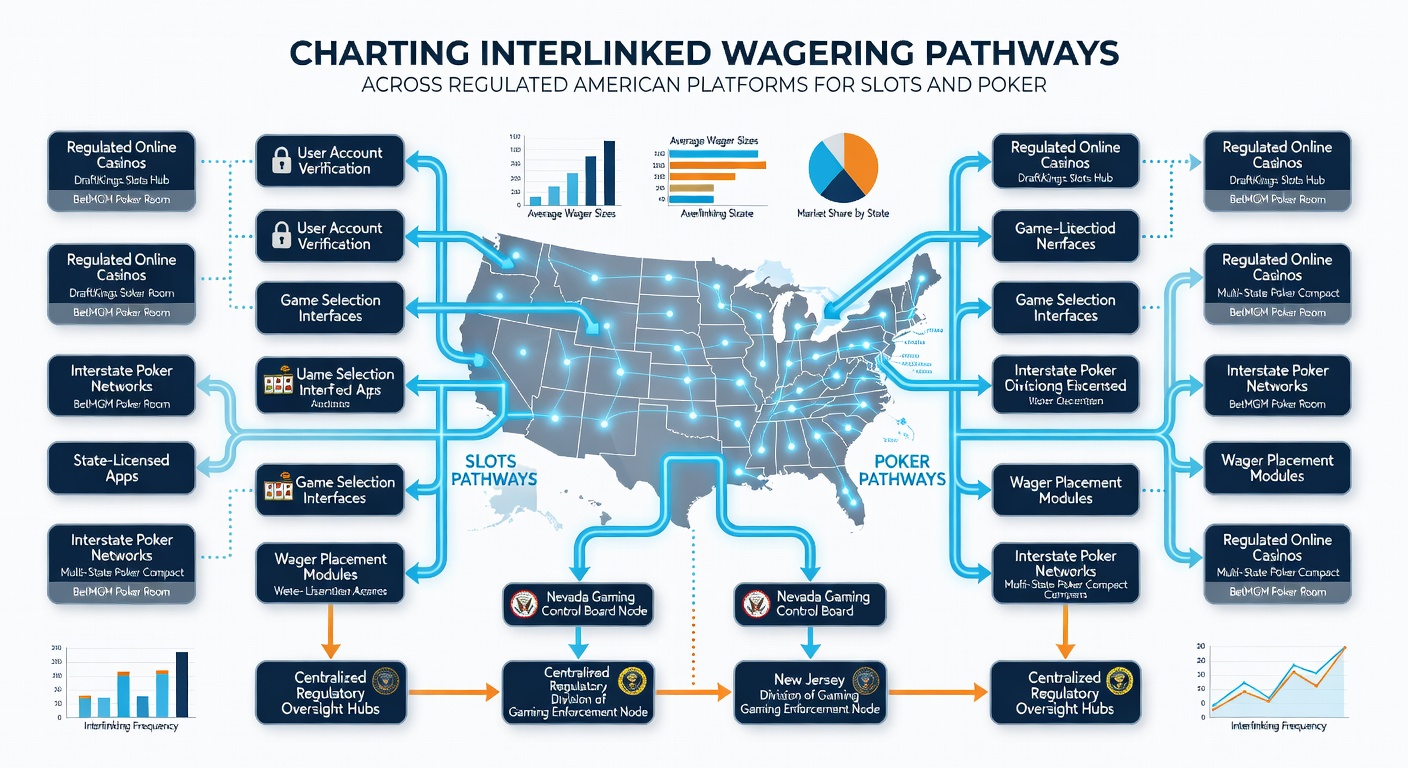
Payment rails remain unified across categories, allowing deposits made via ACH, debit card or digital wallet to fund either slots or poker without additional verification steps. Withdrawal requests process through the same pipeline regardless of where winnings originated, which simplifies tax reporting for players who accumulate gains from multiple game types.
Regulatory Developments Through Mid-2026
State commissions continue to update technical standards that govern data sharing between slot and poker modules, with several jurisdictions scheduling implementation reviews for May 2026. These updates focus on ensuring that responsible gaming tools such as deposit limits and session timers apply uniformly across both offerings rather than resetting when users change game categories. Observers note that consistent application of these controls helps operators meet requirements set by bodies including the Pennsylvania Gaming Control Board and the Michigan Gaming Control Board while maintaining operational efficiency.
Market data indicate that states introducing these synchronized standards have recorded measurable reductions in player complaints related to limit management, particularly among accounts that alternate frequently between slots and poker. Compliance teams at licensed operators now run automated audits that flag discrepancies in real time, allowing immediate corrections before monthly reports reach regulators.
Player Behavior Patterns Across Categories
Usage studies demonstrate that recreational participants often follow predictable sequences: brief slot sessions followed by poker cash games when balances reach certain thresholds, or the reverse when tournament structures appeal after a series of smaller wins. High-volume players maintain separate bankroll allocations within the same account, toggling between categories based on time of day and available promotions. Figures released by the American Gaming Association show that cross-category accounts generate approximately 1.7 times the revenue of single-category accounts over equivalent periods.
Promotional mechanics reinforce these pathways by offering slot-specific free spins that carry over into poker buy-in credits or poker rakeback that unlocks slot tournament entries. Such offers appear in targeted campaigns timed to player activity cycles, and operators track redemption rates to refine future incentives.
Conclusion
Integrated platforms continue to evolve as operators refine tools that connect slot and poker experiences under unified regulatory frameworks. State-level data collection and technology upgrades scheduled through 2026 support consistent oversight while preserving the flexibility players expect when moving between game types on licensed applications. Continued monitoring of transaction volumes and compliance metrics will determine how these interconnected routes develop across additional jurisdictions.