Mapping the Regulatory Maze of Loyalty Rewards in Interstate US Digital Gaming
Willa Roth · Jun 10, 2026
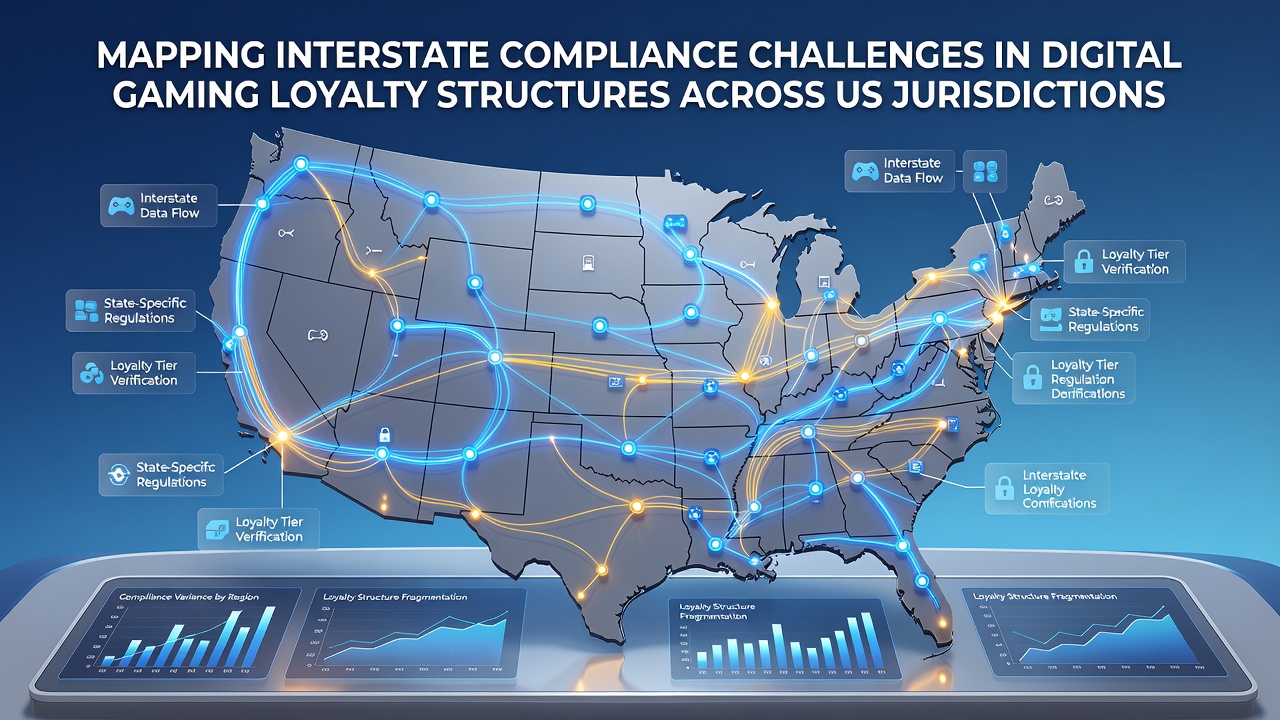
Mapping the Regulatory Maze of Loyalty Rewards in Interstate US Digital Gaming
Digital gaming loyalty structures operate under a patchwork of state-specific rules that create significant compliance demands for operators managing rewards across multiple jurisdictions and data shows these systems must track player activity while adhering to distinct standards for bonus structures, point redemptions, and anti-money laundering protocols. States such as New Jersey, Pennsylvania, and Michigan maintain separate frameworks that require operators to segment loyalty databases by player location, and this segmentation prevents cross-border accumulation of rewards that could violate local statutes.
Core Jurisdictional Differences in Reward Definitions
Each regulated state applies its own criteria to what constitutes a loyalty benefit, and these variations force platforms to maintain parallel tracking systems. New Jersey treats certain bonus credits as taxable winnings under specific conditions while Pennsylvania classifies similar rewards as marketing expenses that fall outside direct taxation, and Michigan adds requirements for real-time reporting of point issuances to its gaming control board. Operators must therefore program their systems to apply the correct classification based on a player's registered address, and failure to do so triggers automatic audits from the relevant state authority.
Interstate compacts remain limited, so loyalty points earned in one state cannot transfer to another without triggering new compliance checks, and this restriction stems from differing responsible gaming mandates that tie reward tiers to self-exclusion lists maintained separately by each jurisdiction. Research from university gaming studies indicates that operators who attempt unified national loyalty databases encounter repeated enforcement actions when state regulators detect unapproved data flows.
Data Privacy and Player Verification Requirements
Player verification processes differ sharply across borders, and loyalty programs must integrate with each state's approved identity systems to confirm eligibility before awarding points or tier status. Some jurisdictions mandate that loyalty accounts link directly to state-issued gambling IDs while others accept third-party verification services under strict data-handling rules. These differences create technical hurdles for multi-state operators that must reconcile conflicting retention periods for player data, and June 2026 marks the deadline for several states to implement updated privacy standards that will further restrict how loyalty histories can be shared even within the same corporate family.
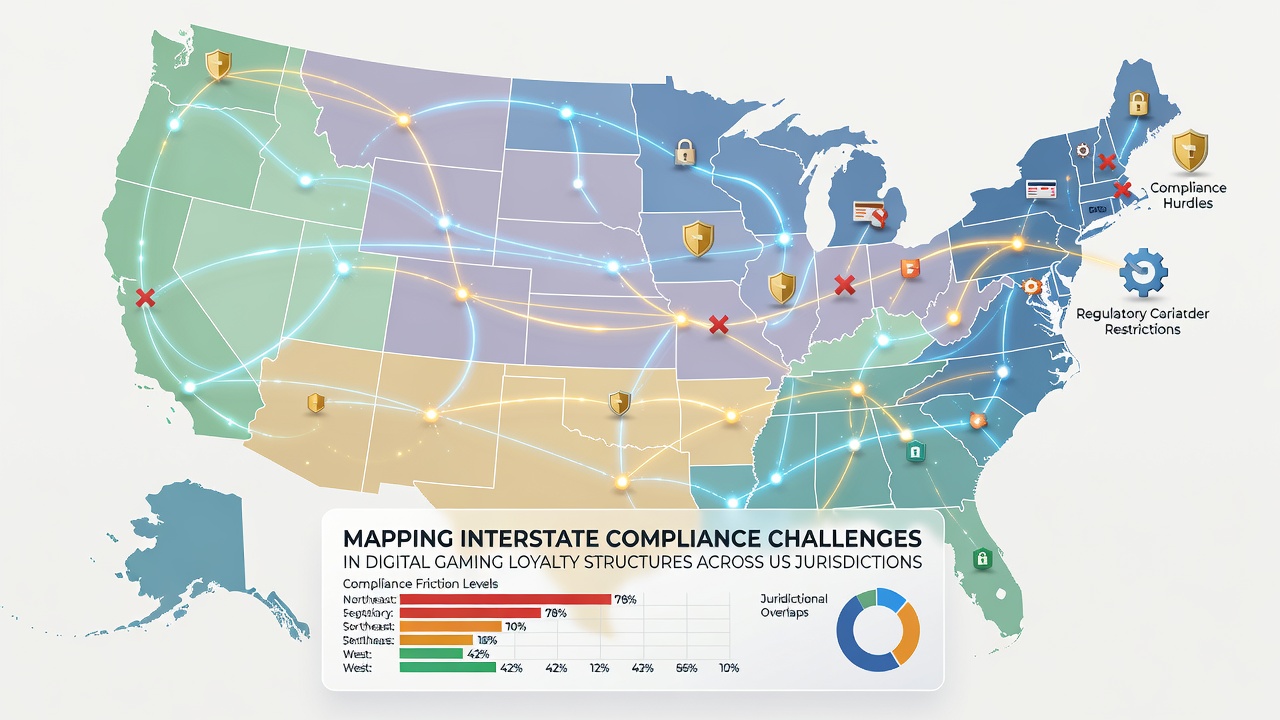
Observers note that geofencing technology already enforces location-based access, yet loyalty structures require additional layers of compliance to prevent players from exploiting VPNs or address mismatches to accumulate rewards in restricted ways. Figures from industry reports reveal that compliance costs for loyalty segmentation have risen steadily as more states legalize online gaming and introduce their own unique reporting formats.
Tax Reporting and Anti-Money Laundering Overlaps
Tax authorities in different states treat loyalty redemptions inconsistently, and operators must generate jurisdiction-specific 1099 forms or equivalent documents when players cash out rewards above certain thresholds. Anti-money laundering protocols add another dimension because some states require loyalty transaction monitoring to feed into centralized suspicious activity reports while others maintain standalone systems. Those who've studied these overlaps know that a single player moving between states can generate duplicate reporting obligations that demand careful reconciliation to avoid penalties.
Case examples from regulatory filings show operators adjusting loyalty algorithms mid-year to align with new state guidance, and these adjustments often involve freezing point accruals until verification confirms compliance. The American Gaming Association has published guidance documents that help standardize certain practices, yet each state retains final authority over how rewards interact with its local statutes.
Emerging Technology and Future Compliance Pressures
Blockchain-based loyalty ledgers appear in pilot programs within a handful of states, and these systems promise transparent tracking that satisfies multiple regulators simultaneously, although adoption remains slow due to integration costs with existing platforms. Artificial intelligence tools now assist in real-time rule application across state boundaries, scanning player behavior against the full matrix of active regulations before issuing rewards. Data indicates that platforms using such tools report fewer compliance incidents, and this trend is expected to accelerate ahead of the June 2026 regulatory alignment deadlines in several jurisdictions.
Conclusion
The landscape of interstate loyalty compliance continues to evolve as additional states enter the digital gaming market and refine their oversight mechanisms. Operators that invest in flexible database architectures and automated rule engines position themselves to meet these shifting requirements without disrupting player experiences, and regulatory bodies maintain active dialogue with industry groups to reduce friction where possible. Continued monitoring of state-level updates remains essential for any platform operating across multiple US jurisdictions.