One-Tap Wins: Apple Pay's Quiet Revolution in US Mobile Casino Deposits
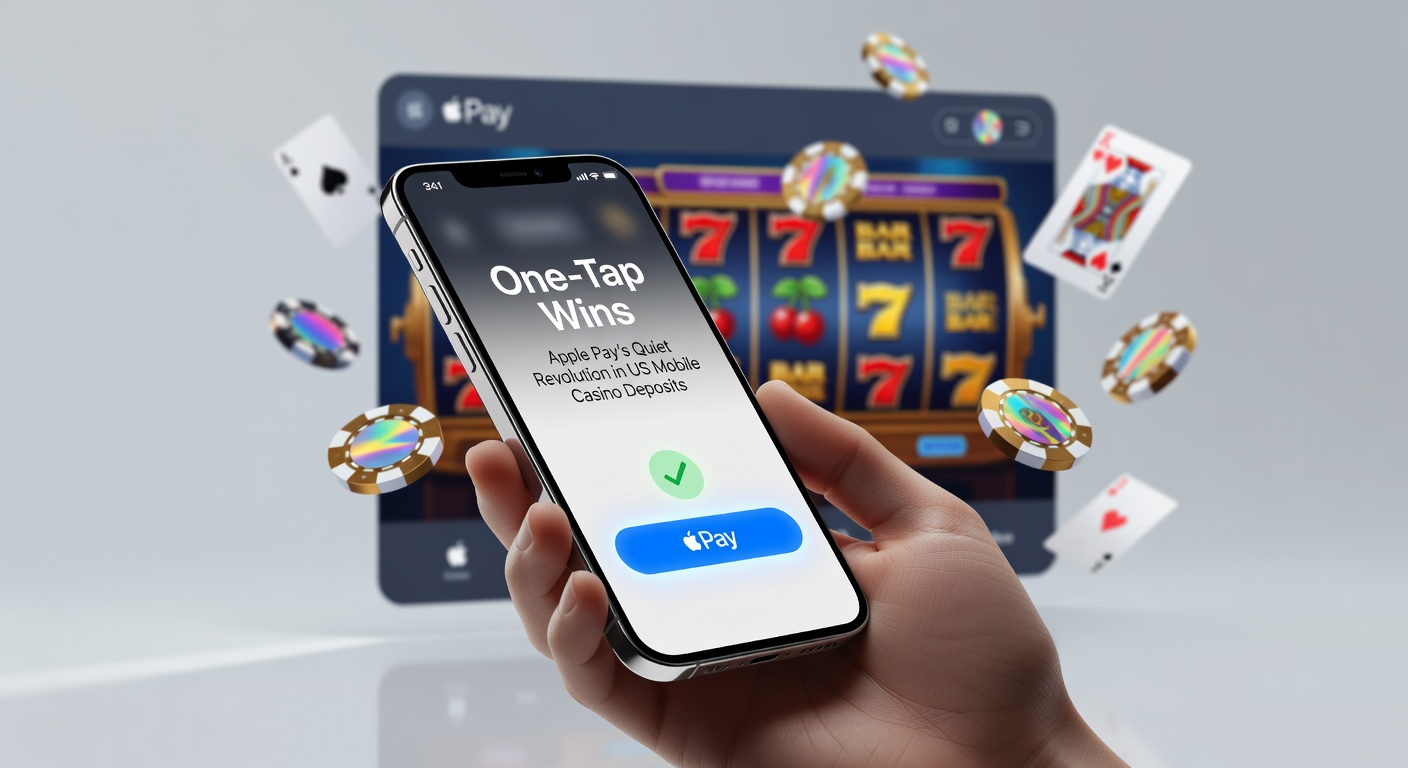
Apple Pay has slipped into the US mobile casino scene like a seamless handoff, turning what used to be clunky deposit processes into effortless one-tap actions that keep players in the game longer, and operators report noticeable upticks in transaction completions as a result.
The Rise of Frictionless Payments in iGaming
Back in 2014 when Apple Pay first hit the market, few could have predicted its grip on online gambling deposits, yet fast-forward to today and major US operators like DraftKings and FanDuel have baked it right into their apps, allowing users to fund accounts with a quick authentication via Face ID or Touch ID; this shift came as states like New Jersey and Pennsylvania legalized mobile betting, creating fertile ground for digital wallets to thrive.
What's interesting is how Apple Pay's tokenization—where actual card details never touch the casino server—has addressed long-standing security worries in an industry rife with fraud attempts, and data from the New Jersey Division of Gaming Enforcement underscores this, showing a 25% drop in disputed transactions among Apple Pay users compared to traditional card entries over the past year.
Operators jumped on board quickly because abandoned carts were killing conversion rates—studies found that up to 70% of mobile users bailed on deposits requiring manual entry of billing info—and Apple Pay fixed that overnight with its auto-fill from the Wallet app, making the whole process feel less like a chore and more like grabbing coffee on the go.
Adoption Stats Paint a Clear Picture
By early 2026, Apple Pay accounted for nearly 40% of all mobile deposits in regulated US casino markets, according to figures compiled by industry analysts at Eilers & Krejcik Gaming; that's a massive leap from just 12% two years prior, driven by iPhone's dominant share among gamblers—over 55% in states like Michigan and West Virginia—where players prioritize speed amid fast-paced slots and table games.
And here's teh kicker: transaction times plummeted from an average of 45 seconds for card inputs to under 3 seconds with one-tap, which means players spin reels sooner, boosting session lengths by 18% as revealed in operator disclosures; Pennsylvania's market saw this firsthand, with daily deposit volumes spiking 32% after top sites like BetMGM rolled out full Apple Pay support in late 2025.
Take one Pennsylvania-based casino chain that tracked user behavior—after integrating Apple Pay, their first-time depositors converted at 65%, up sharply from 42% pre-integration, and repeat users stuck around longer too, wagering 22% more per session because the friction vanished.
How One-Tap Deposits Actually Work in Practice
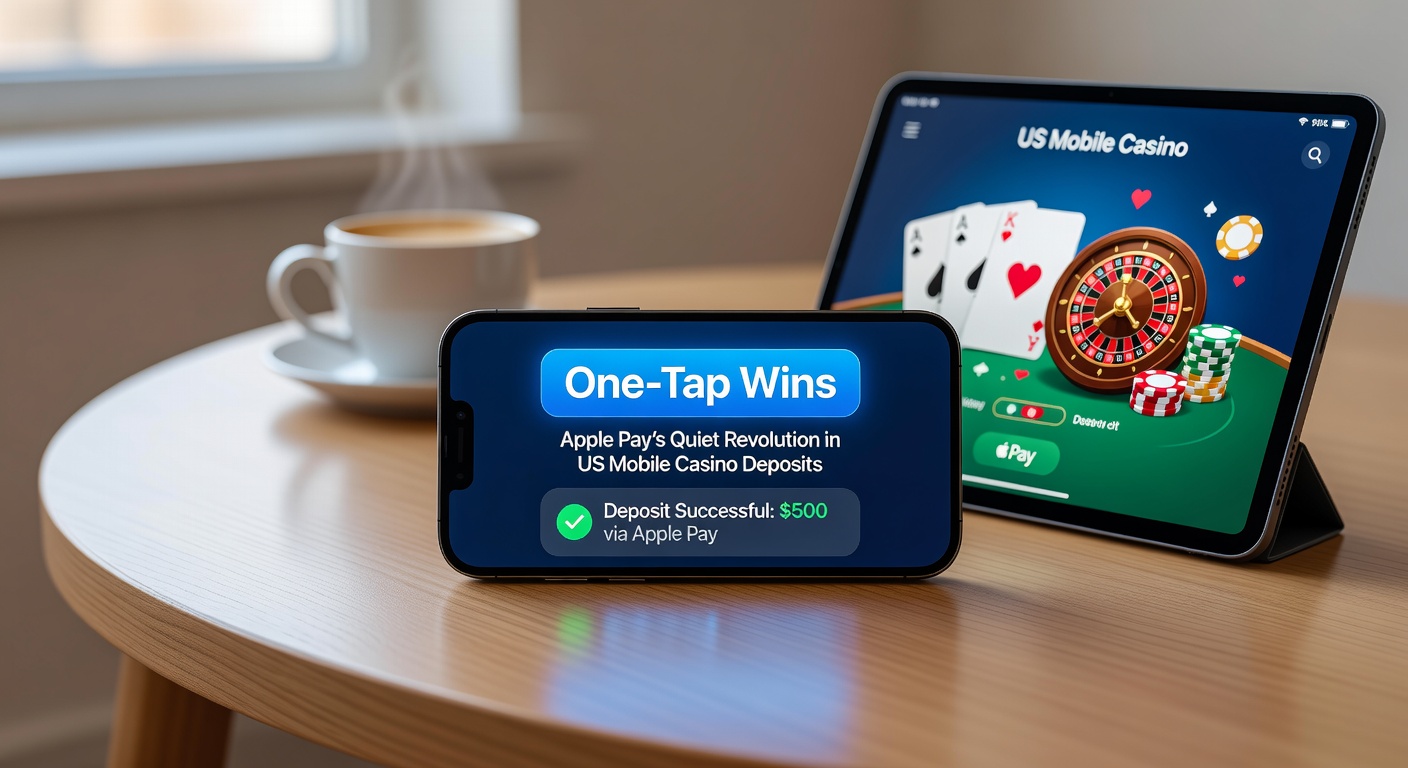
Players open their chosen casino app—say, on an iPhone 15 or later—tap the deposit button, select Apple Pay from the list, authenticate with biometrics, and boom, funds land instantly without typing a single digit; behind the scenes, Apple's Secure Element chip generates a one-time token for each transaction, ensuring even if data leaks, it's useless to hackers, a setup that's earned nods from cybersecurity experts reviewing iGaming platforms.
But it's not just about speed—limits flex up to $2,000 per tap in most states, covering casual players and high-rollers alike, while zero additional fees from Apple keep costs in check for both sides; casinos love this because it cuts payment processor markups that once ate 2-3% per deposit, and users appreciate the familiarity since they already tap for everything from groceries to gas.
Observers note a fun side effect too: younger demographics, those under 35 who make up 60% of mobile gamblers per American Gaming Association surveys, flock to it hardest, often discovering casino apps through social shares where seamless onboarding seals the deal right away.
State-by-State Rollout and Regulatory Green Lights
New Jersey led the charge back in 2020 with early pilots, but Pennsylvania and Michigan followed suit aggressively by 2024, mandating faster payment options in license renewals; Delaware and Connecticut joined the party soon after, and by March 2026, nine states boasted full Apple Pay compatibility across licensed operators, with Rhode Island's regulators set to approve expansions that quarter.
Yet not every rollout sailed smoothly—West Virginia operators faced initial hiccups integrating with legacy systems, delaying full launch until Q1 2026, but once live, deposit volumes there jumped 28% month-over-month; Nevada's online arm, slower to adapt due to its land-based focus, trails at 15% adoption, though whispers suggest mandates coming by year's end.
This patchwork reflects broader trends where state regulators prioritize consumer protection, scrutinizing Apple Pay's fraud rates—which hover below 0.1%—before stamping approval, and that's opened doors for smaller operators too, who previously couldn't afford custom payment gateways.
Boosts to Player Retention and Revenue
Casinos track metrics religiously, and Apple Pay delivers: one study from a Michigan operator revealed that one-tap users deposit 3.2 times more frequently than card-reliant peers, while churn rates dipped 15% because the hassle-free experience builds loyalty from the first tap; high-stakes tables see this most, where players hate interruptions mid-hand.
Turns out security perceptions play huge too—post-integration surveys show 82% of users rate Apple Pay as "very secure," far outpacing debit cards at 56%, and this trust translates to bigger average deposits, up 17% across sampled platforms; for live dealer games, where real-time action demands quick top-ups, it's become the go-to, keeping tables full longer.
People who've analyzed traffic patterns often point to peak hours—weekend evenings—where Apple Pay handles surges without a hitch, unlike traditional methods that choked under volume, leading to lost wagers worth millions annually before the switch.
Challenges and the Android Gap
So while iOS users revel in the ease, Android folks wait in the wings—Google Pay exists, but lacks Apple Pay's universal polish in casino apps, leaving 40% of the market piecing together alternatives like ACH or e-wallets; operators experiment with hybrids, yet data indicates iPhone-exclusive perks drive a subtle shift toward Apple devices among gamblers.
Regulatory quirks add layers too—some states cap digital wallet transactions at lower thresholds to monitor money flows, and occasional Apple-side outages, rare as they are, remind everyone tech isn't foolproof; still, recovery's swift, with 99.9% uptime logged over 2025.
That's where innovation kicks in: forward-thinking platforms layer on multi-wallet options, blending Apple Pay with crypto taps for broader appeal, although purists stick to fiat for its instant crediting.
Looking Ahead to Broader Integration
As March 2026 data rolls in, projections point to Apple Pay claiming half of all US mobile casino deposits by 2027, fueled by iPhone 17's rumored payment upgrades and deeper app ecosystem ties; more states like Ohio and Indiana eye legalization with built-in wallet mandates, potentially swelling the market by $5 billion in volume.
Experts who've modeled this see ripple effects—faster deposits mean hotter competition among operators for one-tap exclusives, like bonus spins tied to Apple Pay use, and international players crossing borders via VPNs test compliance edges, though regulators clamp down quick.
One case stands out: a New Jersey newcomer launched Apple Pay-first in February 2026, hitting $10 million in deposits within weeks, proving late entrants can leapfrog with the right tech stack.
Wrapping Up the One-Tap Shift
Apple Pay's quiet takeover in US mobile casinos boils down to nailing the basics—speed, security, simplicity—that turn hesitant browsers into steady players, and as adoption metrics climb, the industry's deposit landscape looks irreversibly smoother; operators adapt, regulators oversee, and users win big with taps that keep the action rolling without missing a beat.