Payment Choices Drive Player Experiences in America's Mobile Casino Landscape
Willa Roth · Jun 1, 2026
Payment Choices Drive Player Experiences in America's Mobile Casino Landscape
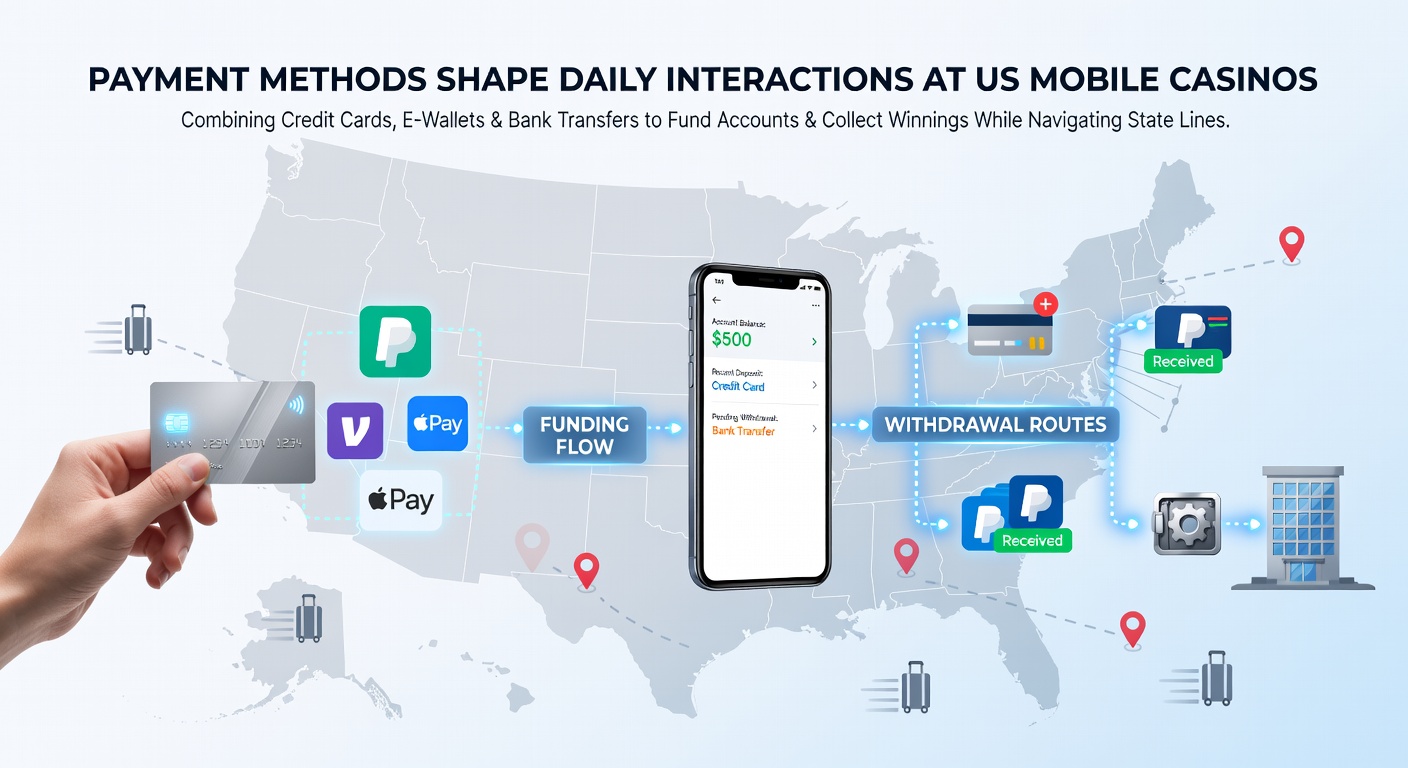
Payment method selections shape daily interactions at US mobile casinos where players often combine credit cards, e-wallets and bank transfers to fund accounts and collect winnings while moving between state lines. Data from industry reports shows that these choices directly influence how users manage deposits, track balances, and handle withdrawals under varying state regulations.
Core Payment Methods in Regulated Markets
Credit cards remain a primary option in states with active iGaming, yet e-wallets such as PayPal and bank transfers through ACH systems provide alternatives that players frequently layer together. According to figures from the American Gaming Association, credit card transactions account for a substantial share of deposits, while e-wallets handle faster processing times that appeal to users crossing jurisdictions.
Bank transfers offer lower fees for larger amounts, and players often initiate them after initial credit card funding to build balances. This combination approach allows seamless movement between funding sources without interrupting play sessions.
Interstate Travel and Regulatory Boundaries
State lines create distinct challenges because each jurisdiction sets its own rules for approved payment processors and verification requirements. Observers note that geo-fencing technology enforces these boundaries, so a player who funds an account in New Jersey may face different withdrawal timelines when accessing the same platform from Pennsylvania.
Research indicates that mobile apps automatically detect location changes and adjust available methods accordingly, which means users must sometimes switch from an e-wallet to a direct bank transfer mid-trip. Those who study these patterns find that pre-planning payment sequences reduces delays during travel.
Player Strategies for Combining Options
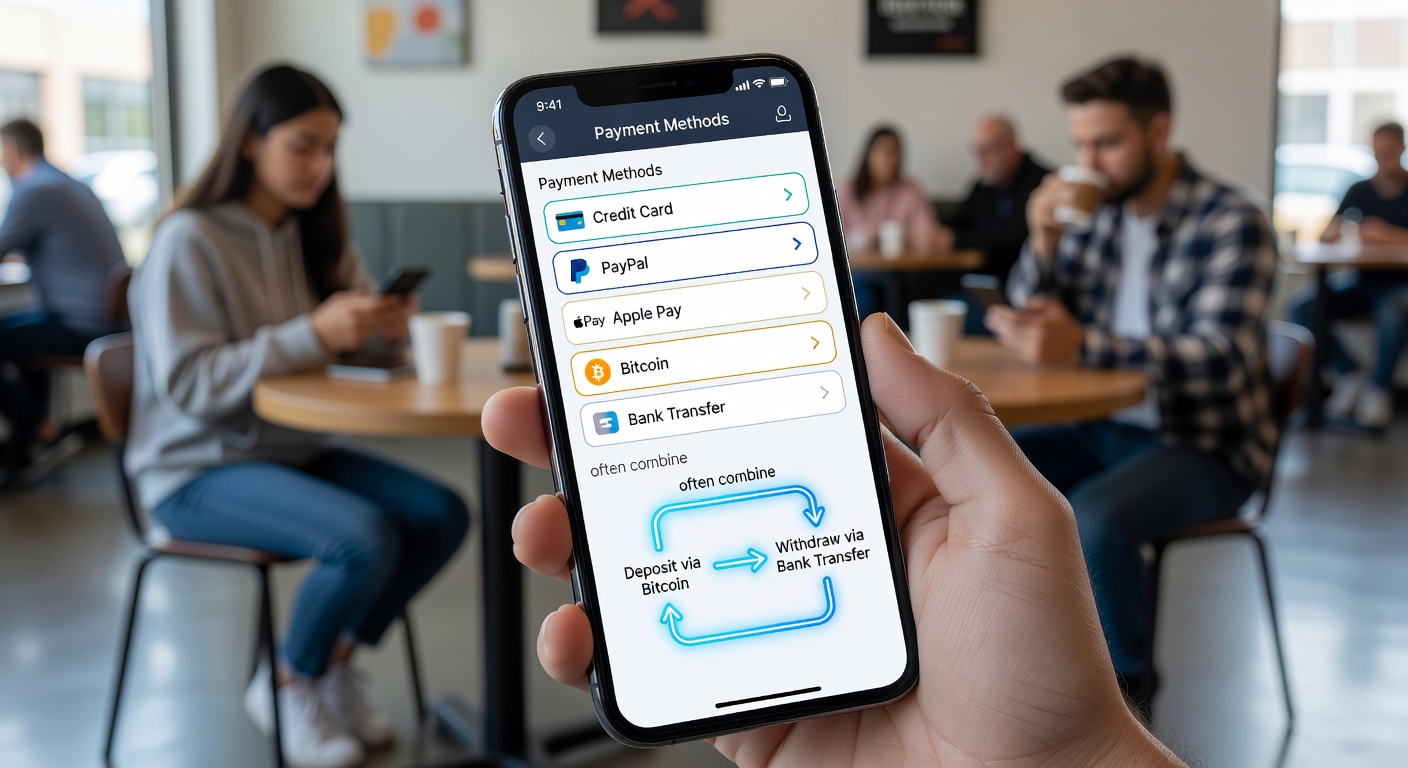
Many users maintain multiple verified accounts to move funds efficiently across state networks. One common pattern involves depositing via credit card for quick access, then routing winnings through bank transfers for larger sums that exceed daily e-wallet limits.
Studies from iGaming research firms reveal that this layered strategy appears most often among frequent travelers who visit casinos in multiple regulated states. The approach minimizes processing holds while complying with each state's banking rules.
Verification and Security Protocols
Security checks tied to payment methods intensify when accounts cross state lines, with platforms requiring additional identity confirmation during location shifts. Data shows that e-wallet providers often integrate directly with state databases, which speeds verification compared to standalone bank transfers.
Players who combine methods report needing separate authentication steps for each service, yet the overall process supports uninterrupted account activity. Regulatory updates scheduled for June 2026 aim to standardize some of these cross-border verification steps in participating states.
Emerging Trends in Funding and Withdrawals
Industry organizations track rising adoption of instant bank transfer services that compete with traditional e-wallets. These newer options reduce reliance on credit cards for withdrawals, which previously carried higher fees in certain jurisdictions.
Figures reveal that players who travel regularly between states with mature markets like Michigan and New Jersey adapt their payment mixes based on local processing speeds. The result is a dynamic system where method selection evolves with each trip.
Conclusion
Payment method selections continue to define how users interact with US mobile casinos across state boundaries. Credit cards, e-wallets, and bank transfers work together to support funding and withdrawals, while regulatory differences require ongoing adaptation from players and platforms alike. As networks expand, these patterns shape daily operations in measurable ways.