Payment Technology Advances Reshaping Deposit Options for State-Licensed Casinos
Willa Roth · Jul 20, 2026

Payment Technology Advances Reshaping Deposit Options for State-Licensed Casinos
State-licensed casino platforms have seen steady adoption of cashless payment methods that allow players to fund accounts through digital channels rather than physical currency exchanges, and these shifts reflect broader changes in consumer banking habits across multiple jurisdictions. Data from industry tracking shows increased usage of mobile wallets, instant bank transfers, and card-based systems at operators in states like New Jersey, Pennsylvania, and Michigan where online gaming operates under regulatory oversight.
Expansion of Mobile Wallets in Regulated Markets
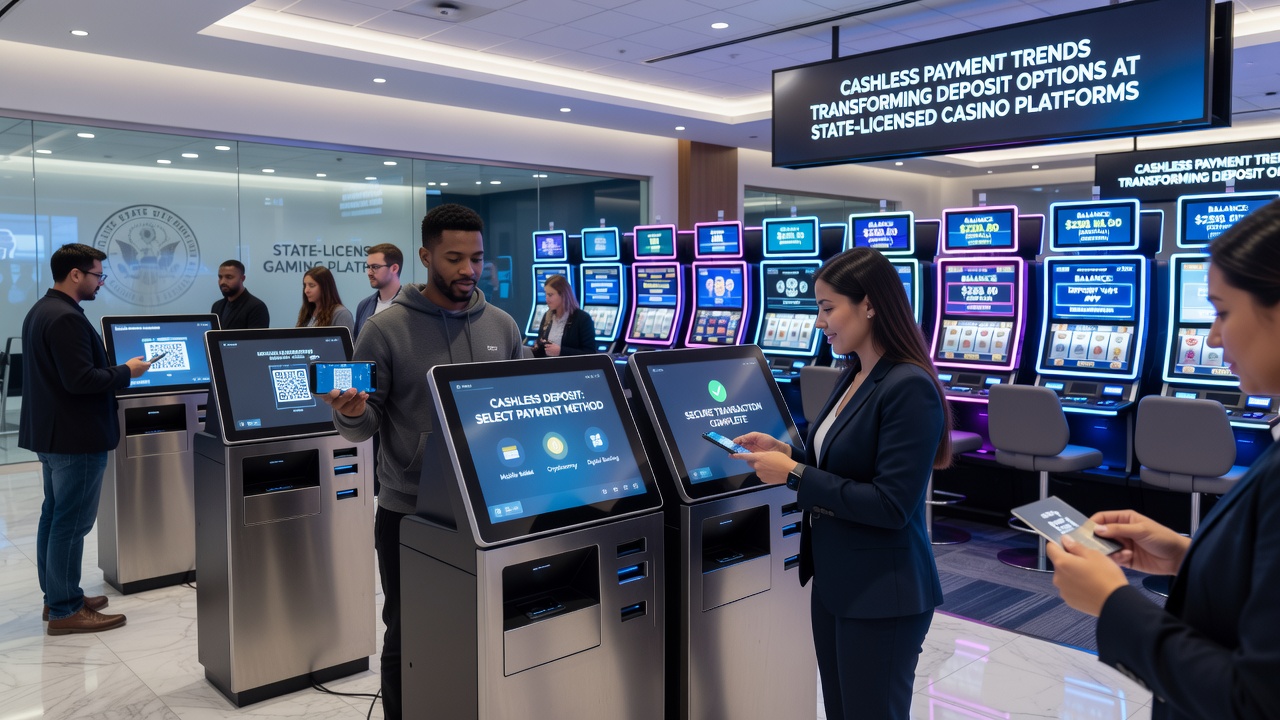
Operators in regulated environments report rising transaction volumes through services such as Apple Pay and Google Pay, which integrate with existing banking apps to complete deposits in seconds without requiring users to enter card details repeatedly. These methods connect directly to player accounts at licensed sites, and transaction records indicate average deposit sizes have grown alongside the convenience factor since many platforms added support for contactless options in prior years. Research indicates that states with established igaming frameworks observed wallet-based deposits comprising over 30 percent of total funding activity by mid-2025, with continued growth projected into subsequent periods.
Platforms have adjusted their systems to comply with state-specific rules on transaction monitoring while incorporating these payment types, and this integration allows for real-time verification that aligns with responsible gaming protocols already in place. Observers note that the process reduces friction at the deposit stage, which in turn supports higher engagement rates among verified users who prefer streamlined financial interactions.
Instant Bank Transfers and QR Code Systems
Another development involves direct bank linkage tools that enable ACH or RTP transfers to move funds immediately from personal accounts into casino balances, and several operators rolled out enhanced versions of these features during 2025. QR code scanning for deposits has also appeared at select platforms, allowing users to authorize payments through their mobile banking apps without navigating multiple screens. Figures reveal that these approaches cut processing times compared to older wire methods, which often required additional confirmation steps and longer settlement periods.
One study conducted across multiple state markets found that players using instant transfer options completed deposits 40 percent faster on average, and this efficiency has encouraged operators to prioritize similar tools in their platform updates. Regulatory bodies in different regions have reviewed these systems to ensure they meet security standards before full deployment, and approvals have come with requirements for encrypted data handling and audit trails.
Regulatory Oversight and Security Protocols
State regulators maintain strict guidelines on payment processing to protect player funds and prevent unauthorized activity, and cashless systems must undergo testing for compliance with these standards prior to activation. In July 2026 several jurisdictions plan to evaluate updated frameworks that address emerging payment technologies, including enhanced verification for high-volume transactions and cross-border considerations where applicable. These reviews build on existing rules that require operators to maintain segregated accounts and provide clear reporting on all funding methods.
Industry groups such as the American Gaming Association have compiled data on payment trends that highlight the shift toward digital options, and their reports emphasize how licensed platforms balance innovation with mandatory safeguards. A separate analysis from Canadian research institutions examined similar patterns in provincial gaming operations, showing parallel increases in non-cash deposit adoption that mirror US state experiences.
Player Adoption Patterns and Platform Adjustments
Users at state-licensed sites demonstrate preferences for methods that offer immediate confirmation and minimal additional steps, which has prompted operators to expand supported options accordingly. Data shows younger demographics gravitate toward wallet integrations while broader age groups increasingly utilize bank-linked transfers for larger amounts. Platforms respond by offering tiered incentives tied to specific payment types, though these promotions remain subject to state approval processes that verify fairness and transparency.
Security enhancements include tokenization for card payments and biometric authentication for wallet access, both of which reduce exposure during transactions. Those who manage player accounts report fewer disputes related to deposit errors when cashless systems are employed, since digital records provide clearer audit paths compared to cash handling scenarios.
Conclusion
Cashless payment trends continue to influence how deposits occur at state-licensed casino platforms, with mobile wallets, instant transfers, and code-based systems gaining ground as operators adapt to meet player expectations while satisfying regulatory demands. Ongoing evaluations scheduled around July 2026 will likely shape further refinements in these areas, ensuring that funding options evolve alongside technological capabilities and oversight requirements across different jurisdictions.