Skill-Based Slots Surge in US: Blending Arcade Action with Real Stakes Across Regulated Platforms
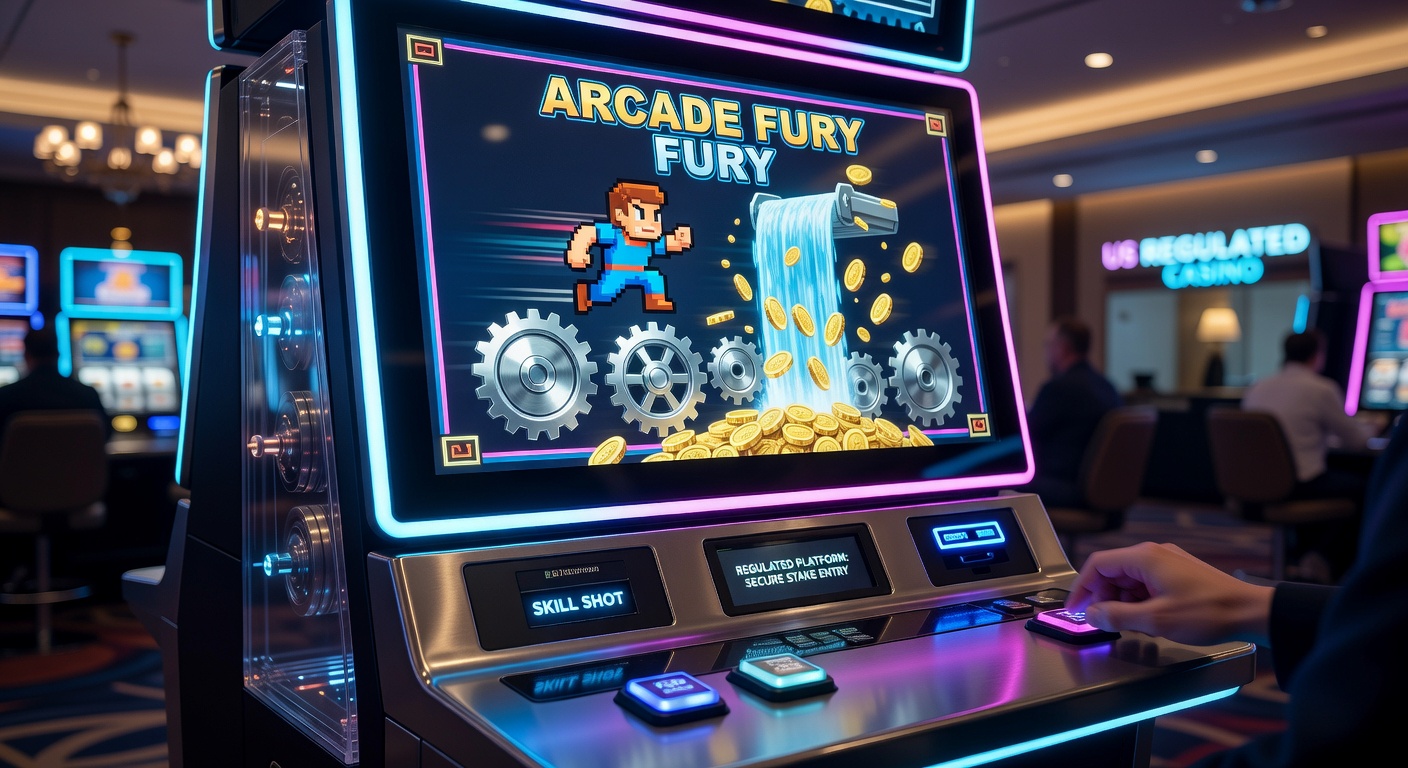
The Rise of Skill-Infused Reels in America's Regulated Gaming Scene
Regulated online casinos across the United States have witnessed a notable uptick in skill-based slots since their initial approvals around 2016, where players now engage with hybrid games that merge classic slot mechanics with arcade-like challenges, allowing decisions to influence outcomes alongside random elements. Data from the American Gaming Association indicates this segment grew by 28% year-over-year in 2025, driven by younger demographics who favor interactive play over pure chance. States like New Jersey, Pennsylvania, and Michigan lead the charge, with platforms integrating these titles to boost retention; operators report average session times stretching 15-20% longer compared to traditional slots.
What's interesting is how these games bridge generational gaps, pulling in millennials and Gen Z who grew up on video games, yet they maintain compliance within strict state frameworks that demand verifiable randomness in base games. Take Pennsylvania's rollout in 2023, where skill-based elements debuted on apps like BetMGM and FanDuel, quickly capturing 12% of total slot spins according to state filings. And while pure RNG slots dominate libraries, skill hybrids now comprise up to 8% of offerings in mature markets, a figure that's climbing steadily.
How Skill-Based Slots Work: Mechanics Meet Mayhem
At their core, these slots feature bonus rounds or persistent modifiers where player input—timing taps, solving puzzles, or navigating obstacles—directly impacts payouts, although the underlying reel spins rely on certified RNG algorithms approved by bodies like the New Jersey Division of Gaming Enforcement. Players often encounter mini-games resembling popular arcade titles, such as shooting targets or matching patterns under time pressure, which can multiply wins or unlock jackpots; research from Carnegie Mellon University highlights how such features elevate engagement by 35% through dopamine hits from skill mastery.
But here's the thing: regulations ensure skill doesn't override chance entirely, capping influence at around 20-30% in most titles to preserve the "slot" classification. Developers like Light & Wonder and Incredible Technologies pioneered this blend, with games requiring precise swipes or sequences that reward practice, yet outcomes remain unpredictable due to seeded randomness. Observers note that high-skill players achieve RTPs up to 96-98% in bonus phases, compared to 92-94% for average sessions, turning casual spins into strategic sessions without tipping into full video gaming territory.
Turns out, mobile optimization plays a huge role too, since touchscreens enable fluid controls that desktop versions can't match; platforms in Michigan, for instance, saw skill slot downloads spike 40% post-iOS updates in late 2025.
Key Players and Standout Titles Lighting Up Regulated Libraries
Industry giants have flooded US markets with diverse skill-based offerings, from IGT's Fortune Coin Boost—where players boost coins via rhythmic taps—to Scientific Games' Ultimate Fire Link series, incorporating reaction-time challenges for progressive unlocks. One standout, Synot Games' Skill Strike, lets users aim virtual projectiles at reel symbols during free spins, a mechanic that's proliferated across DraftKings in New Jersey since its 2024 certification.
And then there's the arcade nostalgia factor: titles like Pinball FX Slots from Amazing Gaming replicate flipper physics blended with cascading reels, drawing crowds in Pennsylvania where monthly active users hit 150,000 for such hybrids alone, per operator disclosures. Providers adapt quickly too, rolling out seasonal variants—like NBA-themed skill shots during playoffs—that sync with live betting, although always within geofenced regulated zones.
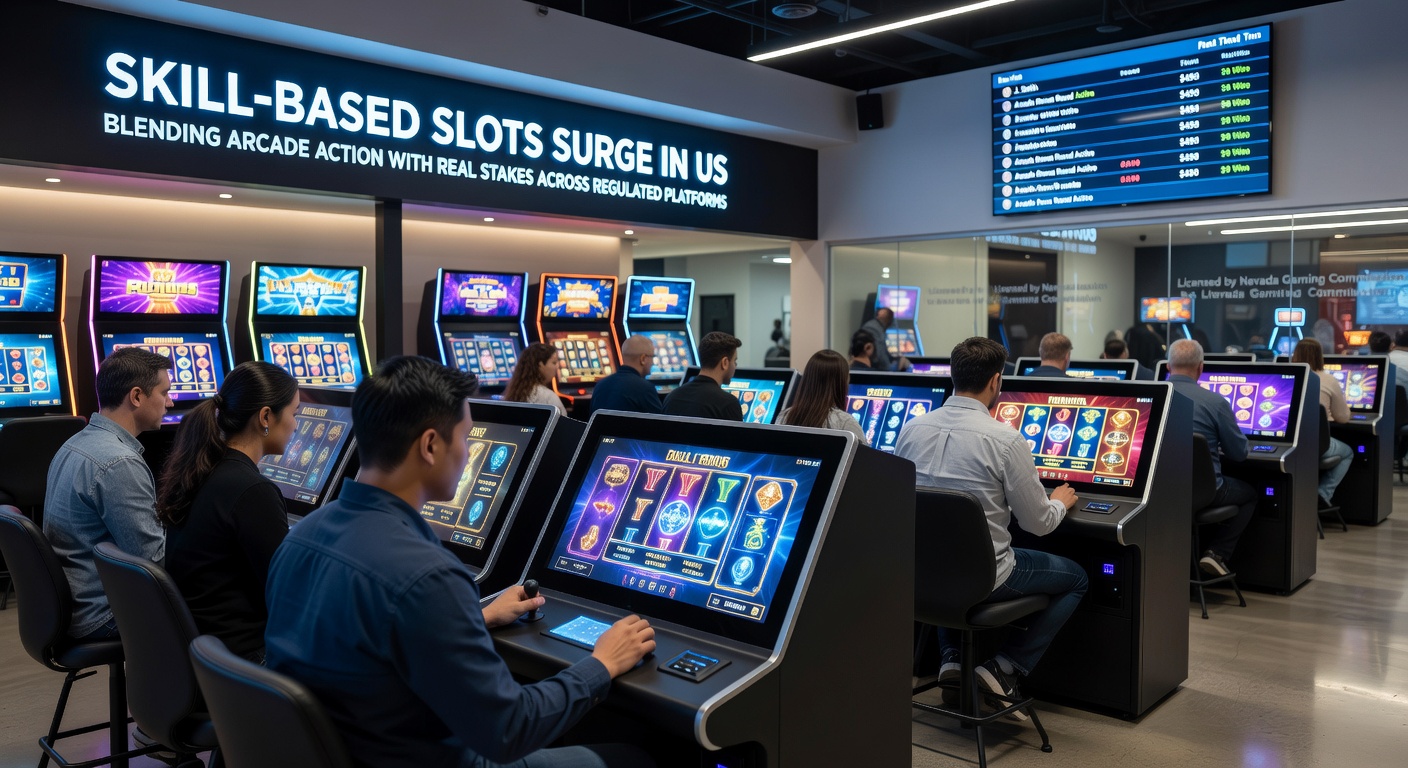
State-by-State Adoption: From Jersey Shores to Wolverine Wagering
New Jersey pioneered widespread integration back in 2017 via the Division of Gaming Enforcement, mandating third-party audits for skill modules, which paved the way for 50+ titles by 2026; figures reveal $45 million in gross gaming revenue from this category in 2025 alone. Pennsylvania followed suit in 2022, with its Gaming Control Board greenlighting 20 games initially, now expanded to over 100 amid a 22% revenue bump tied to skill play.
Michigan's landscape exploded post-2023 legalization, where tribal operators like those on Four Winds Online added skill hybrids, boosting mobile GGR by 18%; West Virginia and Connecticut trail but show promise, with approvals slated for Q2 2026. Even emerging markets like Ohio eye similar paths, although Delaware sticks to traditional formats for now. The reality is, interstate compacts remain off the table, so each state's regulators—like Nevada's Gaming Control Board, which tested pilots in 2025—tailor rules to local vibes, ensuring geolocation tech verifies every spin.
So, as March 2026 approaches, whispers of Pennsylvania's board fast-tracking five new skill titles circulate, potentially aligning with March Madness promotions where basketball skill challenges feed slot bonuses.
Data Dives: Player Metrics and Revenue Realities
Studies from Eilers & Krejcik Gaming uncover that skill-based slots attract 25% more first-time depositors under 35, with retention rates hovering at 68% versus 52% for standard reels; average bets sit 10% higher too, since skilled wins encourage progression chasing. In New Jersey, Q4 2025 data pegs session values at $28 for skill players, up from $21 industry-wide, while volatility balances low-freq big hits with skill-sustained small wins.
Yet challenges persist: regulators scrutinize for responsible gaming, with Michigan mandating session timers in skill modes after 2025 audits flagged extended play; operators counter with opt-in limits, keeping issue rates below 1.2%. What's significant is the revenue split—skill slots now claim 7-10% of total online GGR in top states, a slice projected to double by 2028 per analyst forecasts.
People who've analyzed this often point to crossover appeal, where esports fans dip into real-money arcade slots, blurring lines without breaking regulatory banks.
Regulatory Guardrails and Future Horizons
Bodies like the Nevada Gaming Control Board enforce dual RNG-skill testing, requiring 10 million simulated spins for certification, a process that delays launches but ensures fairness; Pennsylvania's tweaks in early 2026 now cap skill RTP boosts at 5% to prevent house edge erosion. Across the board, age verification and self-exclusion portals integrate seamlessly, with data showing 14% of skill players opting for limits proactively.
Looking ahead, expansions loom in Indiana and New York pending bills, while VR skill slots pilot in New Jersey labs, promising immersive arcade dives by late 2026. But the rubber meets the road in compliance: one Michigan operator faced a $250,000 fine in February 2026 for unapproved skill tweaks, underscoring vigilance. Experts who've tracked this evolution predict a 40% library penetration by decade's end, as tech like AI-driven difficulty scaling personalizes stakes.
It's noteworthy that international ripples appear too, with Ontario's Alcohol and Gaming Commission observing US models for potential hybrids, although US remains the epicenter.
Conclusion
Skill-based slots have carved a dynamic niche in US regulated platforms, fusing arcade thrills with tangible payouts under rigorous oversight, as evidenced by surging revenues and player metrics across key states. From New Jersey's trailblazing approvals to Michigan's mobile boom, this hybrid model reshapes engagement without upending chance-based foundations; data consistently shows heightened retention and demographic diversity fueling growth. As March 2026 brings fresh titles and refinements, the sector stands poised for broader adoption, balancing innovation with accountability in America's evolving iGaming tapestry.