State Lines and Digital Chips: How Interstate Compacts Are Redefining Multi-State Casino Access for American Players
Willa Roth · Jun 5, 2026

State Lines and Digital Chips: How Interstate Compacts Are Redefining Multi-State Casino Access for American Players
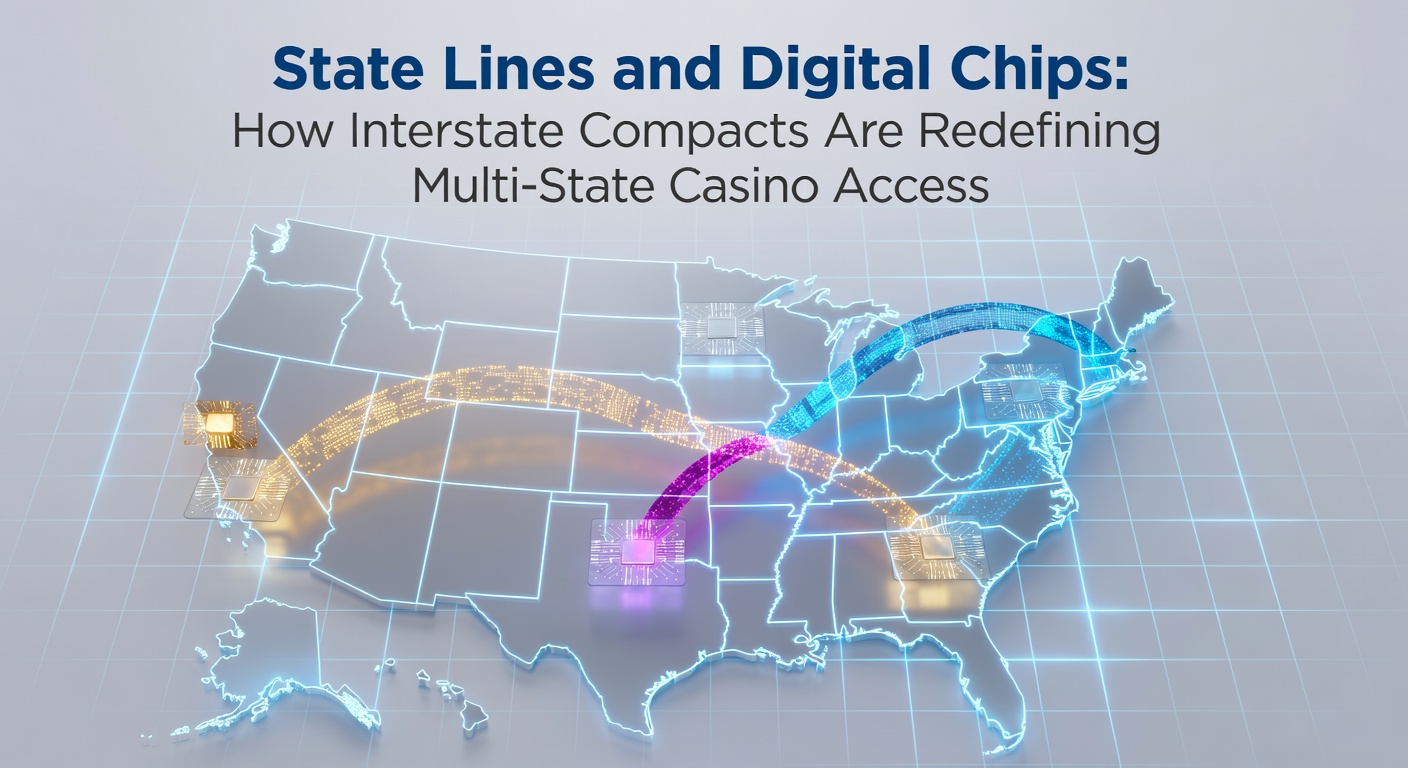
Interstate compacts have emerged as a key mechanism for expanding legal online casino and poker access across multiple states, allowing operators to pool player bases while maintaining state-level regulatory oversight. These agreements enable licensed platforms to serve residents from participating jurisdictions without violating individual state laws, and data from industry reports shows that such arrangements have grown steadily since the first major poker compact launched in 2017 between New Jersey, Nevada, and Delaware.
States enter these compacts through formal agreements that address licensing standards, tax revenue sharing, and consumer protections, and researchers at institutions like the University of Nevada have documented how these pacts reduce operational costs for operators while increasing game variety for users. The process typically involves negotiations between state gaming commissions, followed by legislative approval in each participating state, which creates a framework where a player in one state can access servers shared with users from another without crossing physical borders.
Mechanics of Multi-State Player Pools
Under interstate compacts, operators maintain separate state licenses yet merge player liquidity for games like poker and certain casino titles, which means a user from Pennsylvania can join tables with participants from Michigan or New Jersey during peak hours. This pooling increases table availability and tournament sizes, and figures from the American Gaming Association reveal that shared pools have boosted average prize distributions in compact states by measurable margins compared to standalone markets. Regulatory bodies require geofencing technology to verify player locations in real time, ensuring compliance while the underlying software handles cross-state transactions through centralized yet auditable systems.
Compacts also cover sports betting integration in some cases, where operators offer combined markets across borders under unified odds engines, and this approach has allowed platforms to launch features like live dealer games accessible to broader audiences. Those who have studied regulatory filings note that revenue sharing formulas allocate taxes back to each state based on player origin, which prevents disputes and supports ongoing enforcement efforts by local authorities.
Key Examples and Recent Developments
The original Multi-State Internet Gaming Agreement among New Jersey, Pennsylvania, Michigan, and West Virginia stands as one of the most established models, and it expanded in subsequent years to include additional titles beyond poker. By June 2026, several states were finalizing talks for new compacts focused on slots and table games, building on the success of existing poker networks that already serve millions of registered accounts. Observers tracking legislative sessions point to similar discussions in states like Illinois and Indiana, where bills propose joining existing frameworks to accelerate market entry for licensed operators.
Another arrangement involves Nevada's long-standing partnerships, which allow certain games to operate across state lines under strict age and location verification protocols. These setups differ from sports betting compacts because they focus on skill-based and chance-based casino offerings, and industry analyses indicate they have contributed to higher player retention rates in compact jurisdictions. External factors such as federal court rulings on the Wire Act have influenced compact negotiations, prompting states to include explicit language that clarifies online transaction handling.
Regulatory and Technical Considerations
Each compact must align with the Wire Act, UIGEA, and state-specific statutes, which requires detailed legal reviews before implementation. Gaming commissions in participating states conduct joint audits and share enforcement data, and this collaboration has led to standardized reporting formats that simplify compliance for multi-state operators. Technical standards cover random number generators, payment processing, and responsible gaming tools, with requirements that apply uniformly across borders while allowing each state to add its own player protection measures.
Studies from research organizations such as the National Center for Responsible Gaming highlight how compact structures facilitate better access to self-exclusion lists and spending limits, since a single registration can flag a player across all participating states. Data indicates that these unified tools reduce problem gambling incidents compared to fragmented single-state systems, though enforcement still relies on each jurisdiction's oversight capacity.
Impact on Player Access and Market Growth
Players in compact states gain access to larger game libraries and more frequent promotions because operators can spread marketing costs across wider audiences, and transaction volumes have risen accordingly according to aggregated platform reports. This model supports smaller states that might otherwise struggle to sustain independent online markets, since revenue from shared pools flows back through agreed formulas. Those tracking market data note that states entering compacts often see faster growth in licensed operator numbers within the first two years of participation.
Challenges remain around differing tax rates and consumer protection standards, which compact negotiations must resolve through side agreements. Some states have introduced phased rollouts that begin with poker before expanding to other verticals, allowing regulators to monitor system performance and adjust rules as needed. This incremental approach has proven effective in maintaining public confidence while expanding options.
Conclusion
Interstate compacts continue to reshape how American players access regulated online casino offerings by bridging state boundaries through structured agreements that balance operator needs with regulatory safeguards. As more states evaluate participation in June 2026 and beyond, these arrangements are expected to influence market structures further, supported by ongoing technical advancements and coordinated oversight from multiple gaming authorities. The framework demonstrates how collaborative policy can expand legal options while preserving state autonomy over gambling activities.