US Mobile Betting Platforms Unify Slots and Live Wagering Options
Vera Flores · Jun 15, 2026
US Mobile Betting Platforms Unify Slots and Live Wagering Options
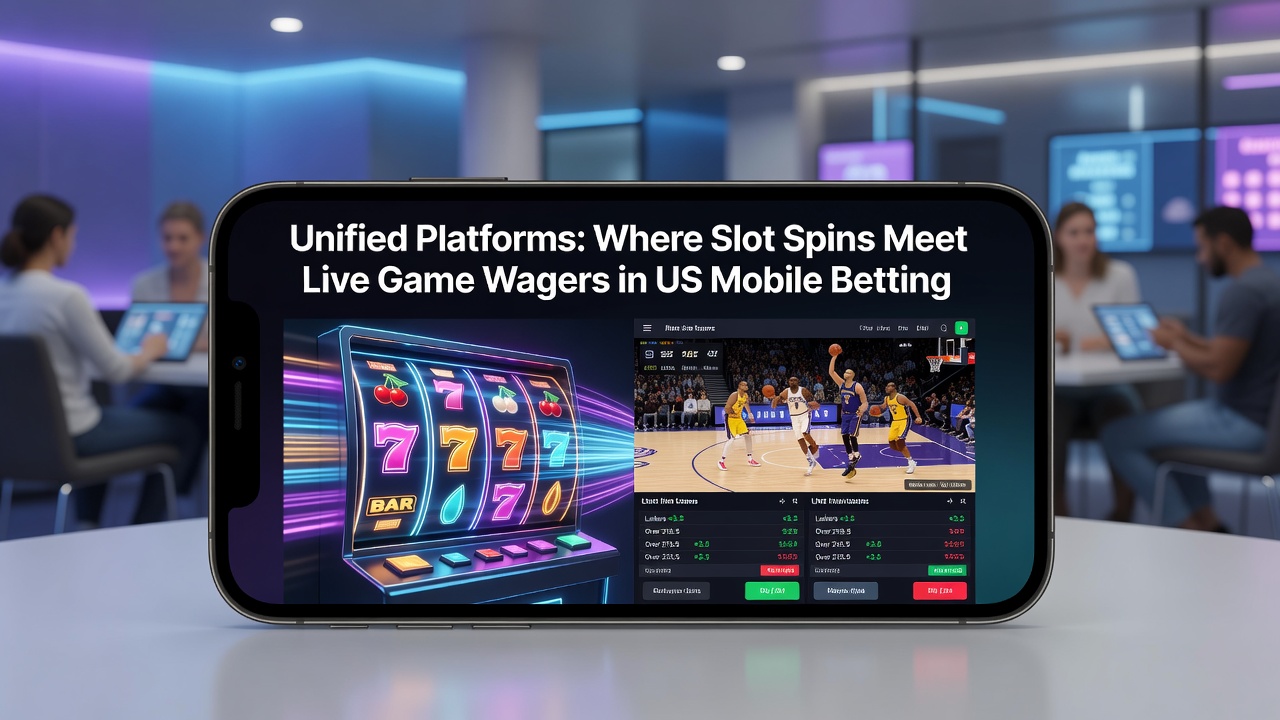
Unified platforms in US mobile betting combine slot spins with live game wagers through single applications that handle both game types, shared account balances, and synchronized bonus systems. Several states including New Jersey, Pennsylvania, and Michigan have seen operators merge these features as regulatory frameworks allow broader game categories on mobile devices, and data from industry reports indicate rising user engagement when players access multiple formats without switching apps.
Platform Architecture and Integration Methods
Developers build these systems around centralized servers that manage real-time data streams for slots alongside video feeds from live dealer studios, while players maintain one wallet that updates instantly whether they place a slot bet or enter a blackjack round. Software providers such as Light & Wonder and Aristocrat have released toolkits that let operators embed live tables next to slot lobbies, and this setup reduces loading times because the app preloads assets for both verticals during initial login.
State regulators require geofencing and age verification layers that apply uniformly across game categories, so a single compliance check covers slot sessions and live dealer interactions. Observers note that this approach cuts development costs for operators who no longer maintain separate codebases, and figures from the American Gaming Association show that integrated apps recorded higher session lengths in markets where they launched during 2025.
Player Experience Across Game Types
Users move between a cluster-pay slot and a live roulette table by tapping a navigation bar that preserves their balance and active promotions. Bonuses often carry over, allowing free spins earned on slots to convert into live game credits under predefined rules set by each operator. Research from the University of Nevada, Las Vegas Center for Gaming Research indicates that players who use unified interfaces complete more transactions per session than those limited to single-game apps, because teh friction of account management drops significantly.
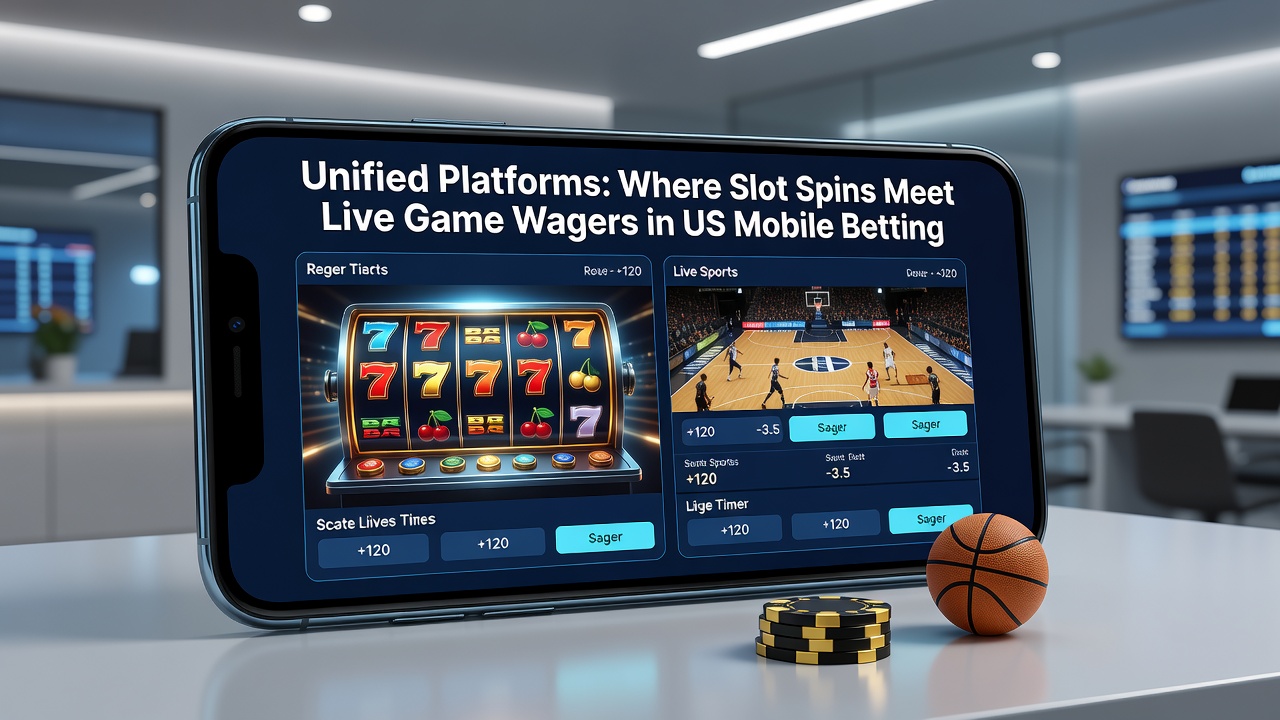
Payment rails such as Apple Pay and cash apps integrate at the platform level rather than the game level, which means deposits fund both slot and live play without extra steps. Withdrawal requests process through the same verification pipeline regardless of whether winnings came from automated reels or dealer-handled tables, and this consistency helps operators meet audit requirements from bodies like the New Jersey Division of Gaming Enforcement.
Regulatory Landscape Through Mid-2026
By June 2026 several additional states are projected to finalize rules that explicitly permit combined slot and live offerings on mobile devices, building on existing frameworks in Pennsylvania and Michigan. These updates focus on responsible gaming tools that apply across categories, such as unified loss limits and session timers that track activity whether a player spins slots or wagers at live tables. Operators report that compliance teams now review single sets of game logs instead of maintaining separate records for each vertical.
Interstate compacts in some regions allow shared player pools for live poker while slot progressives remain state-specific, and this mixed model appears in apps that already blend both formats. Data released by state gaming agencies show steady increases in taxable revenue from platforms offering these combined experiences, particularly during peak sports seasons when live table traffic rises alongside slot play.
Technical and Security Considerations
Encryption protocols cover both random number generators for slots and encrypted video streams for live dealers within the same application container. Third-party testing labs certify the entire suite rather than individual modules, which shortens approval cycles when operators add new live tables or slot titles. Network latency management remains critical because live dealer feeds require stable connections while slot spins tolerate brief interruptions, and unified platforms use adaptive buffering to maintain both experiences on variable mobile networks.
Conclusion
Unified mobile platforms continue to expand across regulated US markets as operators consolidate slot and live wagering into single environments that share wallets, compliance systems, and user interfaces. State-level data through 2026 point to sustained adoption where regulations support the model, and technical standards from testing labs ensure consistent security across game types. The structure allows operators to serve players who prefer varied gameplay within one application while meeting the distinct oversight requirements of each jurisdiction.