Virtual Reality Integration Reshaping Regulated US Casino Landscapes
Lars Bauer · Jul 8, 2026
Virtual Reality Integration Reshaping Regulated US Casino Landscapes
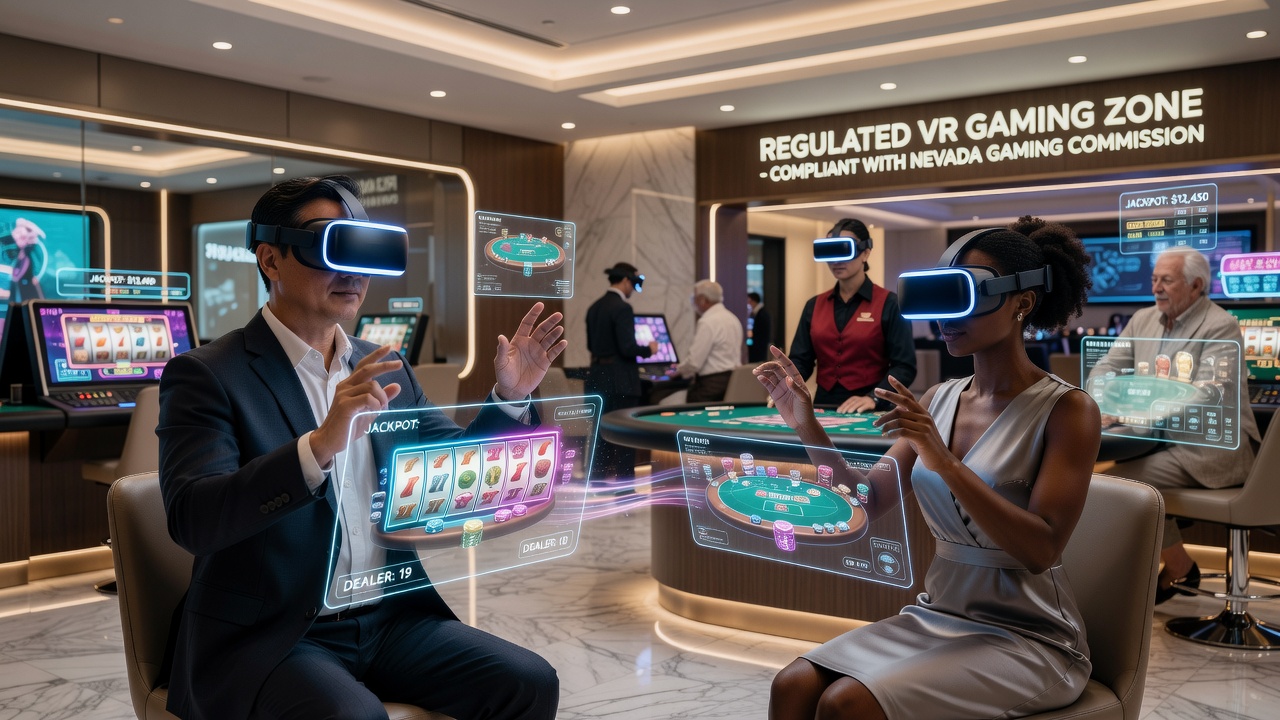
Virtual reality technology has begun appearing in regulated US casino environments across multiple states where online and land-based gambling operates under strict oversight, and observers note that platforms in New Jersey, Pennsylvania, and Michigan have started testing VR components for slot machines and table games since early 2025. Data from state regulatory filings shows that several operators received approvals to deploy VR-enhanced experiences that maintain compliance with existing geo-fencing requirements while adding immersive visual layers to standard digital interfaces.
Those who've studied early deployments point out that hardware setups typically involve headsets connected to existing casino servers, which allows players to enter simulated environments that replicate physical casino floors without altering core random number generator mechanics or payout structures. Research indicates these integrations rely on partnerships between software developers and licensed operators, ensuring all transactions remain tied to state-approved payment processors and account verification systems.
Regulatory Pathways Supporting VR Testing
State gaming authorities have established review processes that evaluate VR applications on a case-by-case basis, and figures from the New Jersey Division of Gaming Enforcement reveal that three pilot programs received conditional licenses in the first half of 2026. These programs require operators to demonstrate that VR interfaces do not introduce new variables into game outcomes while preserving audit trails for every player action. What's interesting is that regulators in Pennsylvania coordinated with interstate compact partners to align technical standards, which reduces duplication in compliance checks across shared player pools.
July 2026 saw additional guidance documents released by the Michigan Gaming Control Board that outline hardware certification steps for VR headsets used in casino applications, and these documents emphasize data encryption protocols plus session logging that match standards already applied to mobile apps. Observers note that such frameworks draw from earlier online gambling regulations yet adapt them to account for motion tracking and spatial audio features inherent in virtual environments.
Technical Implementation Across Platforms
Operators have integrated VR elements primarily through downloadable applications that connect to existing casino management systems, and studies from the University of Nevada, Las Vegas Center for Gaming Research show that rendering engines handle 360-degree views of digital tables while keeping bet resolution on centralized servers. This approach ensures that wins and losses calculate identically to non-VR versions, which satisfies requirements from multiple state commissions.
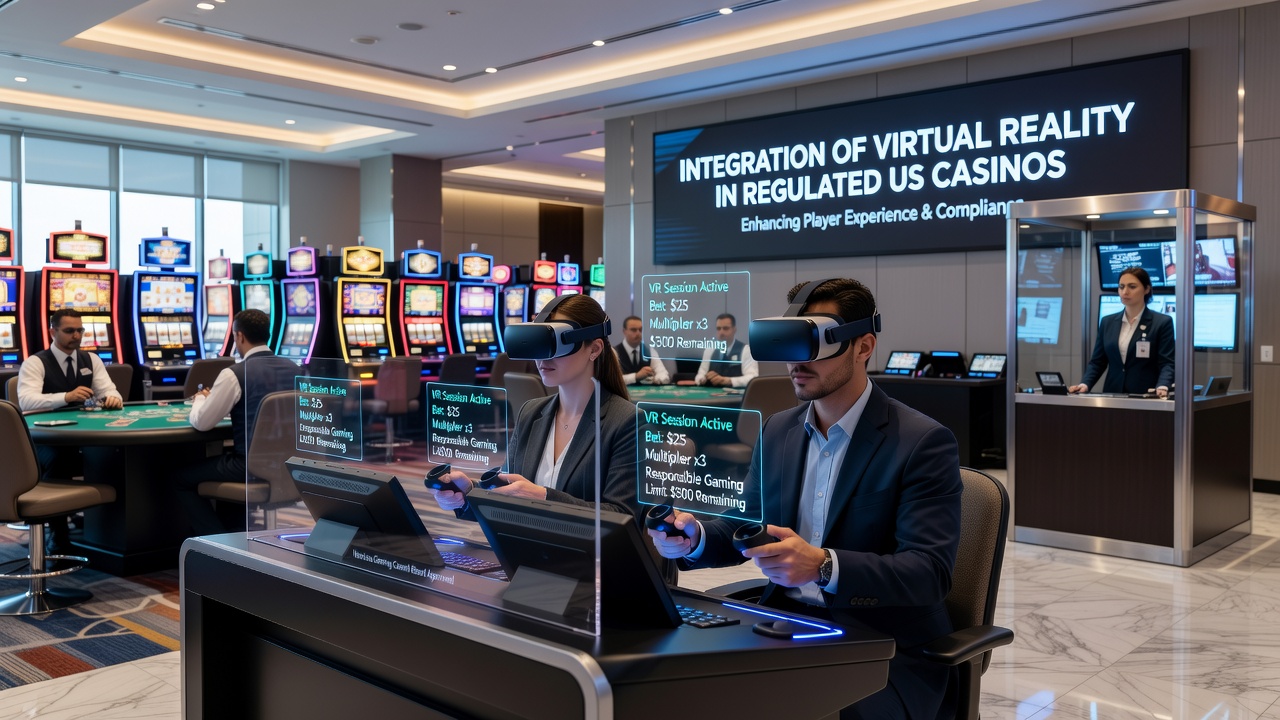
Hardware providers supply headsets pre-configured with geo-location software that prevents sessions outside approved jurisdictions, and reports from the Canadian Gaming Association highlight similar technical safeguards used in cross-border testing environments. Those who've examined the setups find that session timeouts and responsible gaming prompts appear within the virtual space at the same intervals required for standard mobile play, which maintains consistency across device types.
Player Interaction Patterns and Data Trends
Usage statistics collected through approved platforms indicate that VR sessions average longer durations than traditional mobile play in the same game categories, yet overall handle per player remains comparable according to aggregated reports shared among interstate regulators. People who've accessed these environments often discover that navigation relies on hand controllers or eye tracking rather than touchscreens, which introduces new accessibility considerations that operators address through alternative input modes.
One study revealed that visual immersion correlates with increased time spent on feature rounds in slot titles, while wagering volumes stay within established patterns documented by state tax filings. Data shows that return-to-player percentages continue to match regulatory minimums because VR layers function as presentation overlays rather than modifications to underlying mathematics.
Challenges in Scaling VR Within Compliance Structures
Equipment costs and bandwidth demands present practical hurdles for widespread rollout, and industry reports note that operators must balance these factors against revenue projections while adhering to capital expenditure limits set by state licensing agreements. Technical teams have addressed latency issues through edge computing nodes located near casino data centers, which keeps response times within parameters required for live dealer synchronization.
Age verification and identity checks integrate directly into VR login sequences, and this mirrors procedures already enforced across non-VR channels. What's significant is that any recorded violations during pilot phases have triggered immediate session terminations followed by standard investigative reviews, demonstrating that enforcement mechanisms extend seamlessly into virtual spaces.
Conclusion
Integration efforts continue to evolve as more states evaluate VR proposals against their existing regulatory frameworks, and ongoing data collection from active pilots informs future policy adjustments. Those monitoring developments observe that technical standards developed in 2026 emphasize compatibility with current auditing tools, which supports sustained compliance while allowing incremental feature expansions. The landscape remains shaped by measured approvals that prioritize player protection alongside innovation within the boundaries of established US gaming law.